
Unbiased headlines. Facts, not spin.
Every story is an unbiased news briefing written from 110+ sources across the spectrum — sources linked so you can verify it yourself.
 politics
Notable (5/10)
August 4, 2026 at 05:21 PM
politics
Notable (5/10)
August 4, 2026 at 05:21 PM
UK Government's Early Prisoner Release Plan Draws Fresh Criticism From Victims' Families, Rapists and Child Sex Offenders Now Excluded
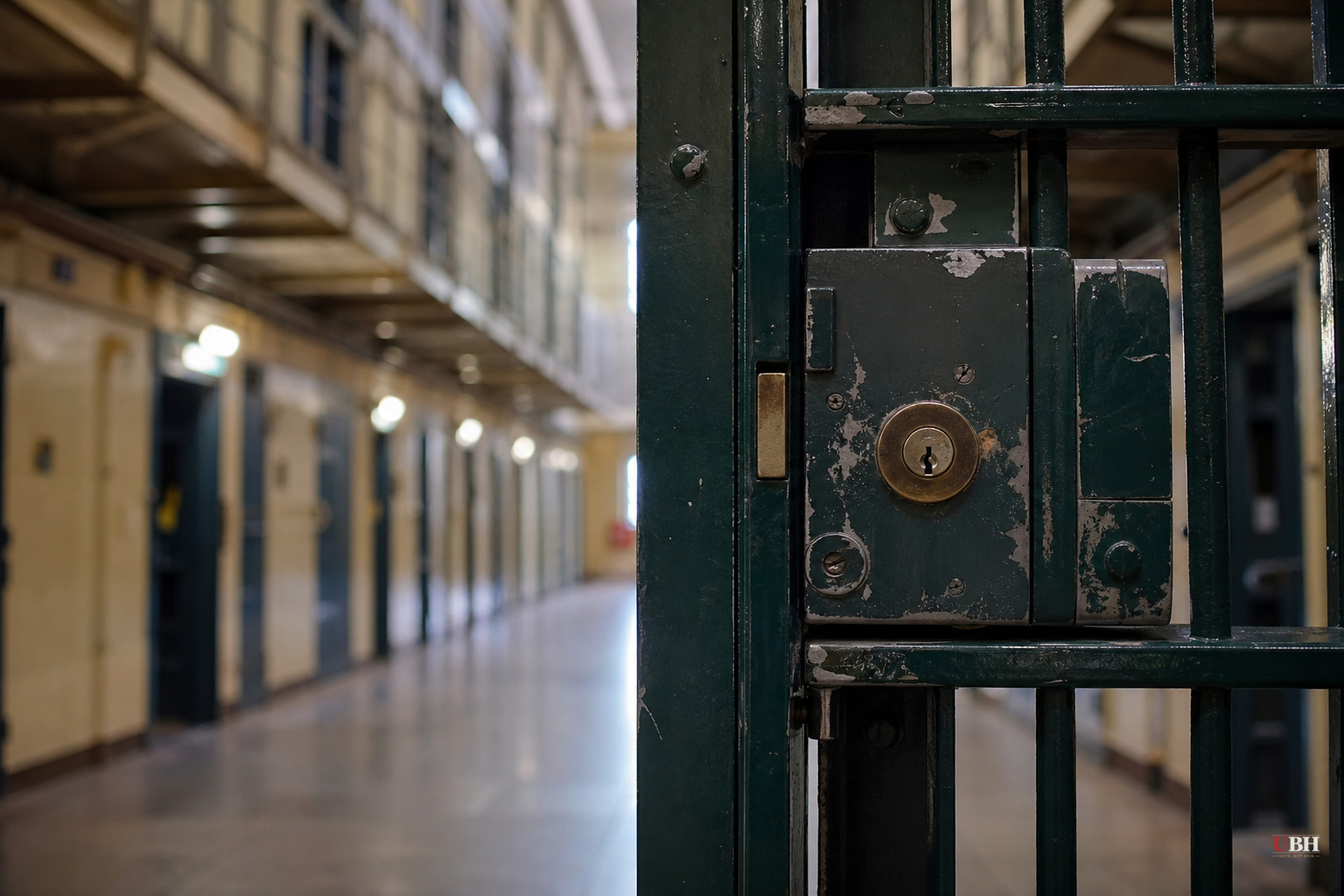
Britain's prisons are so overcrowded the government is letting thousands of inmates out early, and the backlash just forced ministers into a last-minute carve-out.
Starting in October, a new policy will make thousands of prisoners eligible for release partway through their sentences, according to BBC's Newscast. Late last night, ministers announced that prisoners convicted of rape, serious child sex offenses and grooming would be excluded from the scheme, the program reported.
That exclusion came only after renewed criticism from victims' families, who have been pushing back on the early-release policy for weeks, according to Newscast host Adam Fleming and BBC home and legal affairs correspondent Dominic Casciani.
This policy exists because England and Wales don't have enough prison space. It's not a rehabilitation experiment. It's a capacity fix dressed up as sentencing reform.
Pia Sinha, a former prison governor and current chief executive of the Prison Reform Trust, joined the BBC discussion to lay out the tension at the heart of this. Overcrowded prisons create real safety and management problems. But early release, even with the new carve-outs, still means people convicted of serious crimes serve less time than a judge originally ordered.
The strongest case for early release isn't soft-on-crime nonsense. It's a resource argument. When prisons run over capacity, you get more violence behind bars, worse rehabilitation outcomes, and staff who can't do their jobs safely. Sinha's organization has argued for years that overcrowding itself makes prisons more dangerous and less effective at cutting reoffending.
If that's true, then the choice isn't between "early release" and "no consequences." It's between an overcrowded system that fails everyone, including law-abiding inmates trying to serve their time without getting stabbed, and a system that manages capacity by adjusting who gets out early.
The government has been reluctant to explain this trade-off plainly to the public, and victims' families are right to be furious it got applied to violent and sexual offenders in the first place.
The exclusion of rapists, serious child sex offenders and groomers is a real concession. It's also an admission. If ministers only just excluded these categories last night, that means the original version of the policy would have let some of them out early. This is what's driving the anger the BBC reported on.
Victims' families are asking why the government's first draft of this policy included the worst categories of offender at all. A policy that requires public backlash to fix its most obvious flaw isn't a well-designed policy. It's a rushed one.
There's also no indication from the BBC's reporting that this fixes the underlying capacity crisis. Excluding certain offense categories from early release doesn't create a single new prison cell. It just shifts which prisoners get let out sooner to relieve the same overcrowding pressure. The math the government is trying to solve, too many prisoners and not enough beds, doesn't go away because ministers redrew the exclusion list.
The BBC segment didn't specify how many total prisoners fall under the October scheme, what specific fraction of the prison population it affects, or what capacity numbers are driving the policy. Casciani's reporting focused on the political fallout and the exclusion announcement, not the underlying prison population data.
If you're going to release people early, the public deserves hard numbers: how full are the prisons, how many beds are missing, and what happens if this policy doesn't relieve enough pressure. Without that, this looks like crisis management by press release rather than a transparent capacity plan.
The policy takes effect in October. Between now and then, expect more categories to get scrutinized, more victims' families to demand answers, and more pressure on the government to explain exactly how many prisoners are affected and why the original list didn't exclude rapists and child sex offenders from the start.
Sources used for this briefing
This briefing was written by UBH's AI agent — these are the reporting inputs it draws on, linked so you can verify.


