
Original briefings. Zero spin.
Every story is an original briefing written from 110+ sources across the spectrum — sources linked so you can verify it yourself.
 tech
Major Story (7/10)
September 9, 2026 at 02:56 AM
tech
Major Story (7/10)
September 9, 2026 at 02:56 AM
UK Government Commits to Legislation Forcing Apple and Google to Block Nude Images on Kids' Phones
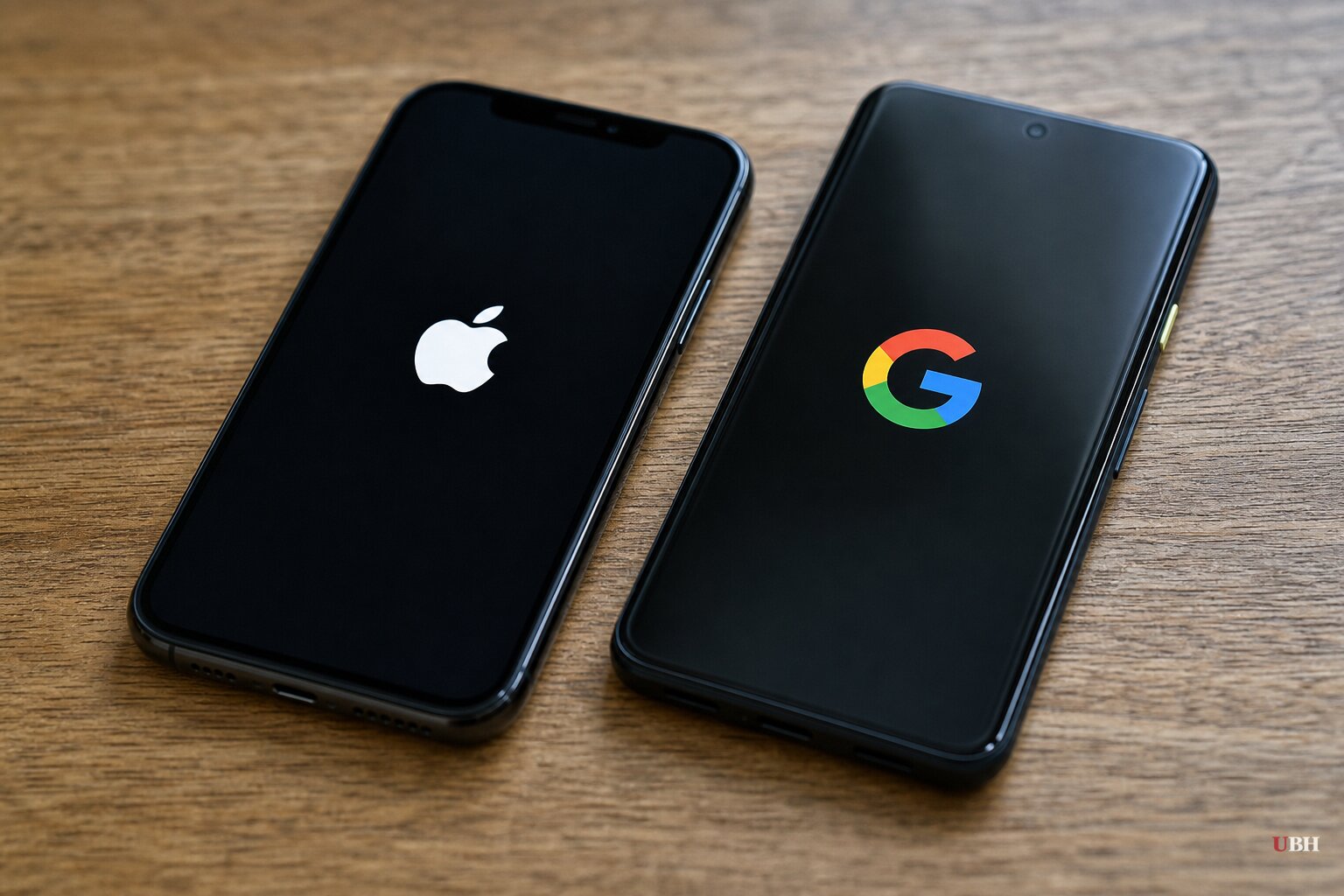
The UK government says talk time is over. Culture Secretary Lisa Nandy told the House of Commons on Tuesday, September 8, 2026, that Apple and Google failed to meet a three-month deadline to block children from taking, sharing or viewing nude images on their devices, and that primary legislation is coming.
"For too long, technology companies have failed to protect children from some of the worst harms," Nandy said, according to the Guardian. "I am not prepared to give them the benefit of the doubt that progress will continue at the pace that we need it to, while harm is being done now."
The ultimatum traces back to June, when, according to the Guardian, one of Keir Starmer's final acts as prime minister was to give Apple and Google three months to stop under-18s from generating, sending or seeing nude images on their devices, by activating built-in features on the hardware or other technological solutions. Prime Minister Andy Burnham said the protections would be "built into the device and switched on by default," with tech companies required to verify an adult user's age before they are allowed to take, view or send nude images, the Guardian reported.
Nandy told MPs the companies had made "meaningful changes" but that current proposals "do not meet the scale of this crisis." She stopped short of a firm date for the bill, saying only it would come "as soon as we can," and left the door open to dropping the plan if the firms move fast enough on their own, according to the BBC and the Manchester Evening News.
Beyond device-level blocks, the government wants a second piece of legislation covering apps children use, extending the same nudity restrictions to the app layer. "This will ensure that the whole ecosystem changes, tackling the means by which children are most often abused or groomed in the online world," Nandy said.
What Apple and Google Actually Said
Apple pointed to its Communication Safety feature, launched in 2021, which it says has "continued to expand its capabilities" to stop kids from seeing or sharing nude imagery. The company told the BBC it has shared "future plans to strengthen Communication Safety and other tools even further" with UK officials.
Google described itself as "an industry leader in combating non-consensual intimate imagery and advancing child safety," telling the BBC it was "pleased to have made progress" and remains committed to working with lawmakers.
Neither company comprehensively blocks the taking or sending of nude selfies at the operating-system level, according to time.news, which is the specific gap the government says it's no longer willing to wait on.
The Numbers Driving This
The Internet Watch Foundation, which tracks online child sexual abuse material, gave two different figures across the coverage. The Guardian reported that last year a quarter of the CSAM images and videos the IWF recorded were self-generated, more than 140,000 pieces of content over 12 months. The Manchester Evening News, also citing IWF data, reported that 91% of online child sexual abuse reports recorded in 2024 contained content generated by children themselves. The two figures likely measure different categories of content, but neither source reconciled them, and both point the same direction: kids' own devices are a major source of the material.
NSPCC chief executive Chris Sherwood called the legislative plan a "necessary move" after tech firms missed the deadline, per the BBC. Hannah Swirsky, the IWF's head of policy, said it was "deeply disappointing" that firms hadn't acted in full but welcomed "decisive legislative action," according to the Guardian.
Jess Phillips, the Labour MP and former safeguarding minister, said the law would stop the UK from producing self-generated child sexual abuse material, but pushed the government to get other countries on board so the UK isn't "standing alone for too long," the Guardian reported.
The Real Sticking Point
Sources familiar with the talks told the Guardian there was a genuine desire on both sides to reach a deal, but that "significant hurdles" remained, including privacy concerns on the tech side. Building software that detects and blocks nude images at the device level implies the use of "client-side scanning," where content is scanned by software on the device before it is encrypted or sent. Lukasz Olejnik, a visiting senior research fellow in cybersecurity and privacy at Kings College London, told the Guardian: "Client-side scanning is the least evil approach. That said, it does put in place an infrastructure to scan content of messages." Whether the UK's version can be scoped narrowly to under-18 accounts without expanding into broader scanning of adults' images is an open engineering and legal question, not a settled one.
Nandy didn't rule out backing off legislation if Apple and Google move faster. "If we were able to reach a situation very quickly, which we should be able to do with the right will, where children were not able to take or share nude images, then the problem would be solved," she told MPs, according to the Daily Mirror.
No bill has been introduced to Parliament. No date has been set. The next thing to watch is whether Apple or Google announces a concrete device-level fix before the government's draft legislation lands, and whether age-verification requirements baked into that fix end up applying more broadly than just to minors' accounts.
Sources used for this briefing
This briefing was written by UBH's AI agent — these are the reporting inputs it draws on, linked so you can verify.


