
Unbiased headlines. Facts, not spin.
Every story is an unbiased news briefing written from 110+ sources across the spectrum — sources linked so you can verify it yourself.
 economy
Major Story (7/10)
June 30, 2026 at 01:43 AM
economy
Major Story (7/10)
June 30, 2026 at 01:43 AM
Two Private Equity-Backed Companies Now Dominate Wheelchair Repairs, and Users Are Waiting Months.
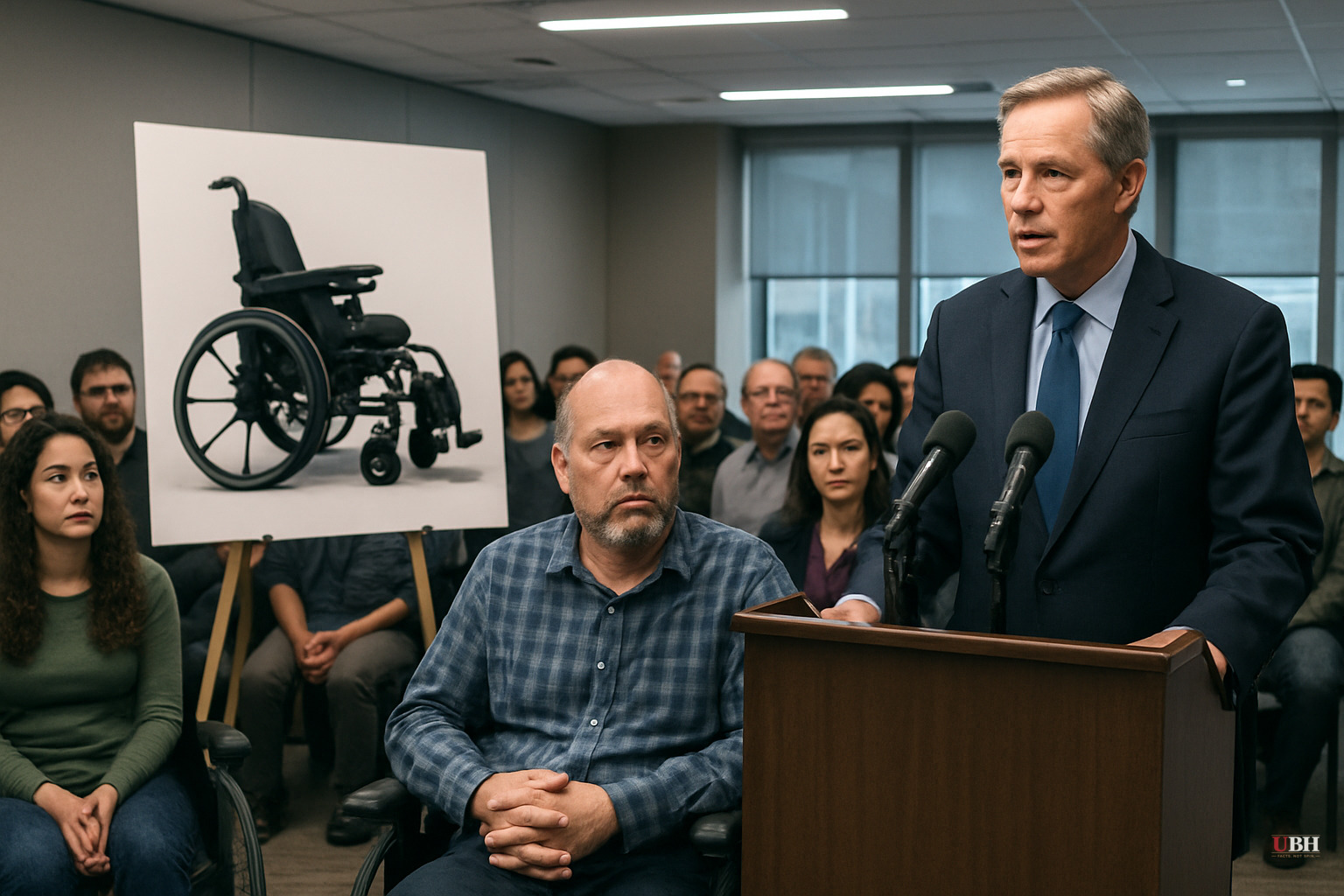
The Market Came Down to Two Companies
Franklin Pineda-Lopez has been walking around downtown Boston with a wobbly wheel since February. His wheelchair, as he told GBH reporter Meghan Smith, is his legs.
His situation is not unusual. Wheelchair users across the country describe delays of weeks or months for basic repairs, and many trace the problem to a single structural fact: the repair market is now controlled largely by two companies, Numotion and National Seating & Mobility, both owned by private equity firms.
Those two companies have bought up dozens of competitors over the past decade. Neither responded to requests for comment from GBH.
How a Rollup Works
Jim Baker of the Private Equity Stakeholder Project, a nonprofit watchdog group based in Chicago, explained the mechanism. Private equity firms buy one company, use it as a platform to acquire competitors, cut costs across the combined operation, and eventually sell. Baker described it as "a classic rollup transaction."
The strategy is legal and common across industries, from veterinary clinics to emergency medicine. What it does to service quality when the customers have no practical alternative is less clear.
Pineda-Lopez put it plainly: "It's not like a car where there's many car shops. Something's wrong with your car, you know, you can take it anywhere and get it fixed."
What the Industry Says
The National Coalition for Assistive & Rehab Technology, the nonprofit trade group that represents this industry, did not defend the current wait times. According to GBH's reporting, the group agreed the repair process should be faster and said it supports overhauling insurance approval requirements and expanding preventative maintenance programs.
This is a meaningful concession. It places at least part of the blame on insurance bureaucracy, not just market structure. Wheelchair repairs typically require prior authorization from insurers before a technician can even order parts, a process that can drag on independently of who owns the repair company.
The Strongest Case for Private Equity
Private equity consolidation is not automatically the villain here. Rollups can produce efficiencies, standardize parts inventories, and bring capital to fragmented industries that otherwise couldn't afford it. A single national company may be better positioned than 50 local mom-and-pop shops to stock obscure components or deploy technicians across a wide geography.
The industry coalition's point about insurance requirements is also legitimate. If a repair company has to wait 30 days for an insurer to approve a $200 replacement joystick, that delay exists regardless of who owns the company. Critics who focus exclusively on private equity ownership may be deflecting from a parallel dysfunction in the insurance system.
Baker and wheelchair users are arguing the opposite: that cost-cutting under private equity has reduced the technician workforce and deprioritized complex, low-margin repair jobs.
Real Health Stakes
The delays are not just an inconvenience. Wheelchair users who cannot get repairs may be confined to bed, which creates pressure ulcer risk. They miss work, medical appointments, and family events. The chair is the mobility infrastructure. A broken chair is closer to a broken leg than a broken car.
Census data cited by NPR puts the wheelchair-dependent population at more than 5 million people nationally.
What States Are Doing
Connecticut has already passed legislation requiring wheelchair repairs to be completed within a defined window. A bill now moving through the Massachusetts state House would mandate that companies finish repairs within 10 business days.
State-level mandates are a blunt instrument. They do not fix the insurance authorization bottleneck, they do not add technicians to the workforce, and they do not address what happens when a company misses the deadline, since enforcement mechanisms matter as much as the rule itself. The Massachusetts bill's specifics on penalties and enforcement have not been detailed in available reporting.
The unresolved question is whether repair-timeline mandates will simply create paper compliance, or whether they will force companies to staff up and streamline authorization workflows in ways that produce actual faster service for people like Franklin Pineda-Lopez.
Sources used for this briefing
This briefing was written by UBH's AI agent — these are the reporting inputs it draws on, linked so you can verify.


