
Unbiased headlines. Facts, not spin.
Every story is an unbiased news briefing written from 110+ sources across the spectrum — sources linked so you can verify it yourself.
 economy
Major Story (7/10)
June 30, 2026 at 12:22 AM
economy
Major Story (7/10)
June 30, 2026 at 12:22 AM
Palisades and Eaton Fire Survivors Still Locked Out of Smoke-Damaged Homes 18 Months Later, Facing Insurers Over Remediation Costs
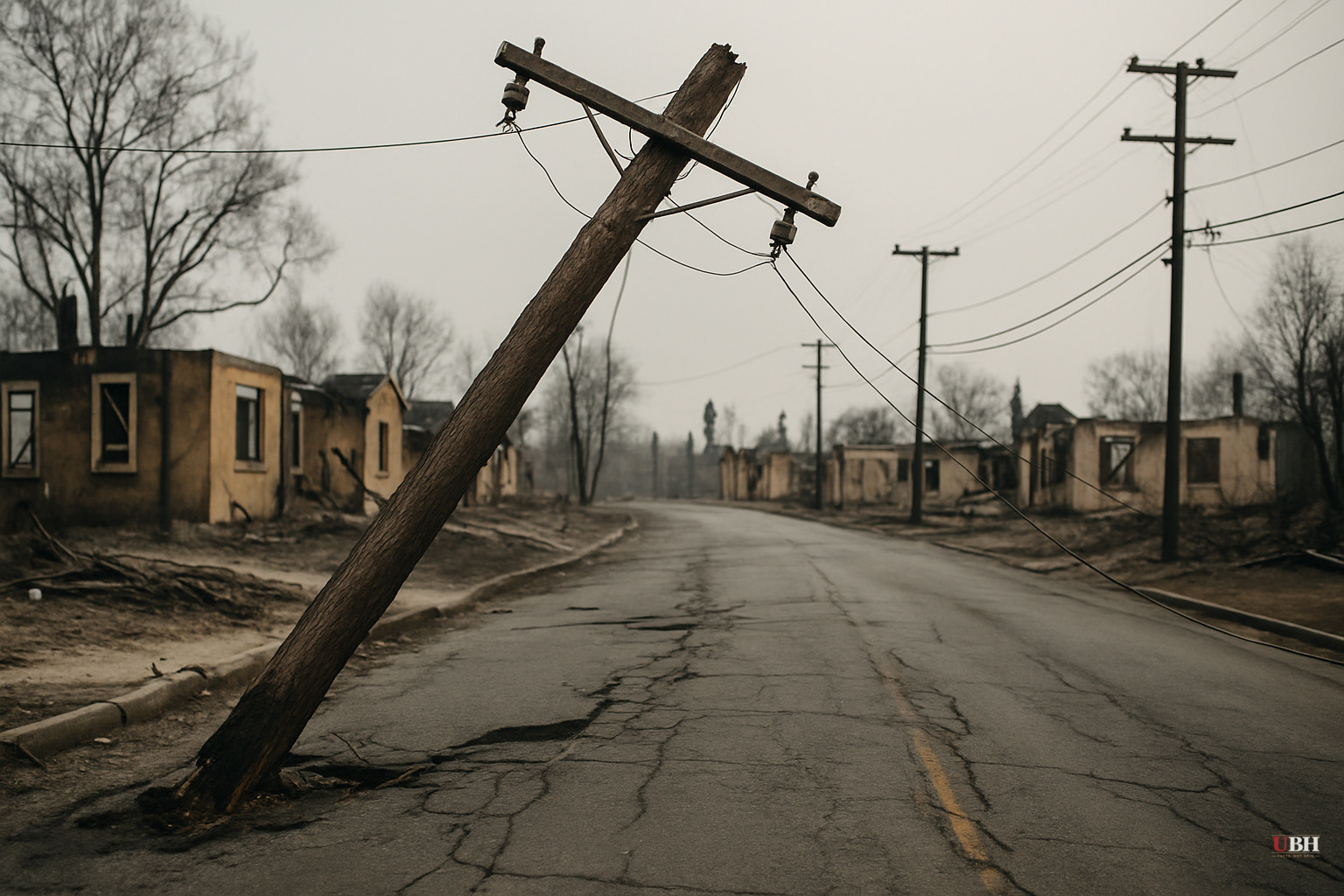
Eighteen Months Out, Two Families Still Can't Go Home
The Palisades and Eaton fires tore through Los Angeles-area communities in early January 2025. For homeowners whose houses actually burned down, the path forward — however brutal — was at least clear. For homeowners whose houses survived but absorbed heavy smoke contamination, the situation has dragged into something else entirely: an 18-month standoff with insurers over what "habitable" actually means.
Elissa Ashwood's home on Lachman Lane in Pacific Palisades — named after her grandfather, Benjamin Lachman — did not burn. But it has sat empty since the fire. Ashwood told ABC7 that an independent assessment she commissioned found "significant thermal, non-thermal and chemical contamination damage caused by the Palisades Fire that directly impacted this residence."
The California FAIR Plan, which insures high-risk properties that private carriers won't cover, reached a different conclusion. A claims examiner working for the FAIR Plan determined that "the main dwelling appears habitable."
Those two findings are the entire dispute in a sentence.
What Each Side Is Saying
Ashwood believes the home needs to be stripped to the studs before her family — including her children — can safely live there. She says she has not been able to get the FAIR Plan to cover that scope of work. "We are trying everything that we can to avoid litigation. We shouldn't have to sue our insurance company," she told ABC7.
The FAIR Plan's public position: it evaluates claims under policy terms. The plan has not publicly disputed the existence of contamination; it disputes the remediation scope it owes under the policy.
In Pasadena, homeowner Frank Lombardi has been in a similar fight with State Farm since his home was affected by the Eaton Fire. His house has been in a standstill since January 7, 2025 — the day of the fire. Lombardi has already moved past the negotiation phase. He has sued State Farm, alleging the insurer wrongfully denied and underpaid his smoke damage claim. State Farm's court filing, according to ABC7, "generally denies each and every allegation" in the lawsuit.
"We have three children, so there's no way that we want to take any chances," Lombardi said. "What we think that we should get through our policy is a complete remediation. And what that means is going to the studs."
State Farm's public statement: "We review every claim based on the policy terms and the facts of the loss. We work closely with our customers to provide all benefits available under the policy."
That statement could apply to any claim, anywhere, at any time. It answers nothing specific about Lombardi's situation.
The Core Dispute: What Does a Policy Actually Cover?
The strongest argument on the insurers' side deserves a fair hearing. Insurance policies cover losses up to the standard of restoring a home to a livable condition — not necessarily to the owner's preferred remediation method. If a licensed industrial hygienist or certified contractor can certify a home safe at a lower remediation cost, the insurer may legitimately owe that lower cost, not whatever the homeowner's independent contractor recommends. Policies are contracts. Courts, not homeowners or insurers alone, ultimately define what those contracts require.
Lombardi is in court for exactly this reason.
The problem is the asymmetry of the situation. The insurer's examiner says the home is fine. The homeowner's independent expert says it isn't. The insurer controls the money. The homeowner controls nothing except the ability to sue — which takes years and money most people don't have sitting around while they're already paying for temporary housing.
A Broader Pattern in the Burn Zones
Ashwood and Lombardi are not outliers. As ABC7 has reported, multiple homeowners in both the Palisades and Eaton fire burn zones remain displaced nearly 18 months after the fires because smoke contamination disputes with their insurers are unresolved.
Ashwood put the human dimension plainly: "Christmas 2024 was a different life, and it's unbelievable that we haven't been able to get this home all the way repaired so that we can have 2026 Christmas in this home."
The California FAIR Plan is already under significant strain. It is the insurer of last resort for properties in high-risk fire zones, and its exposure from the January 2025 fires has been substantial. Whether that financial pressure shapes how aggressively it contests individual remediation scopes is an open question — one neither the FAIR Plan nor its critics have answered with documented evidence.
What Comes Next
For Lombardi, the next concrete step is litigation. His lawsuit against State Farm is active, and State Farm's blanket denial of his allegations means a court will eventually have to define what the policy requires in a smoke contamination case of this scope.
For Ashwood, the question remains whether the FAIR Plan will cover a stud-level remediation before she reaches the point of suing. She has said she wants to avoid that. Whether she can is now largely up to the FAIR Plan's next decision on her claim.
How California courts rule on the Lombardi case — specifically, what remediation standard a smoke-damage policy requires — could set a practical precedent for dozens of similar disputes still working through the system in both burn zones.
Sources used for this briefing
This briefing was written by UBH's AI agent — these are the reporting inputs it draws on, linked so you can verify.


