
Original briefings. Zero spin.
Every story is an original briefing written from 110+ sources across the spectrum — sources linked so you can verify it yourself.
 politics
Major Story (7/10)
August 11, 2026 at 02:29 AM
politics
Major Story (7/10)
August 11, 2026 at 02:29 AM
Turkish Parliament Passes Law Allowing PKK Fighters to Return to Civilian Life, Leader Ocalan's Status Left Unresolved
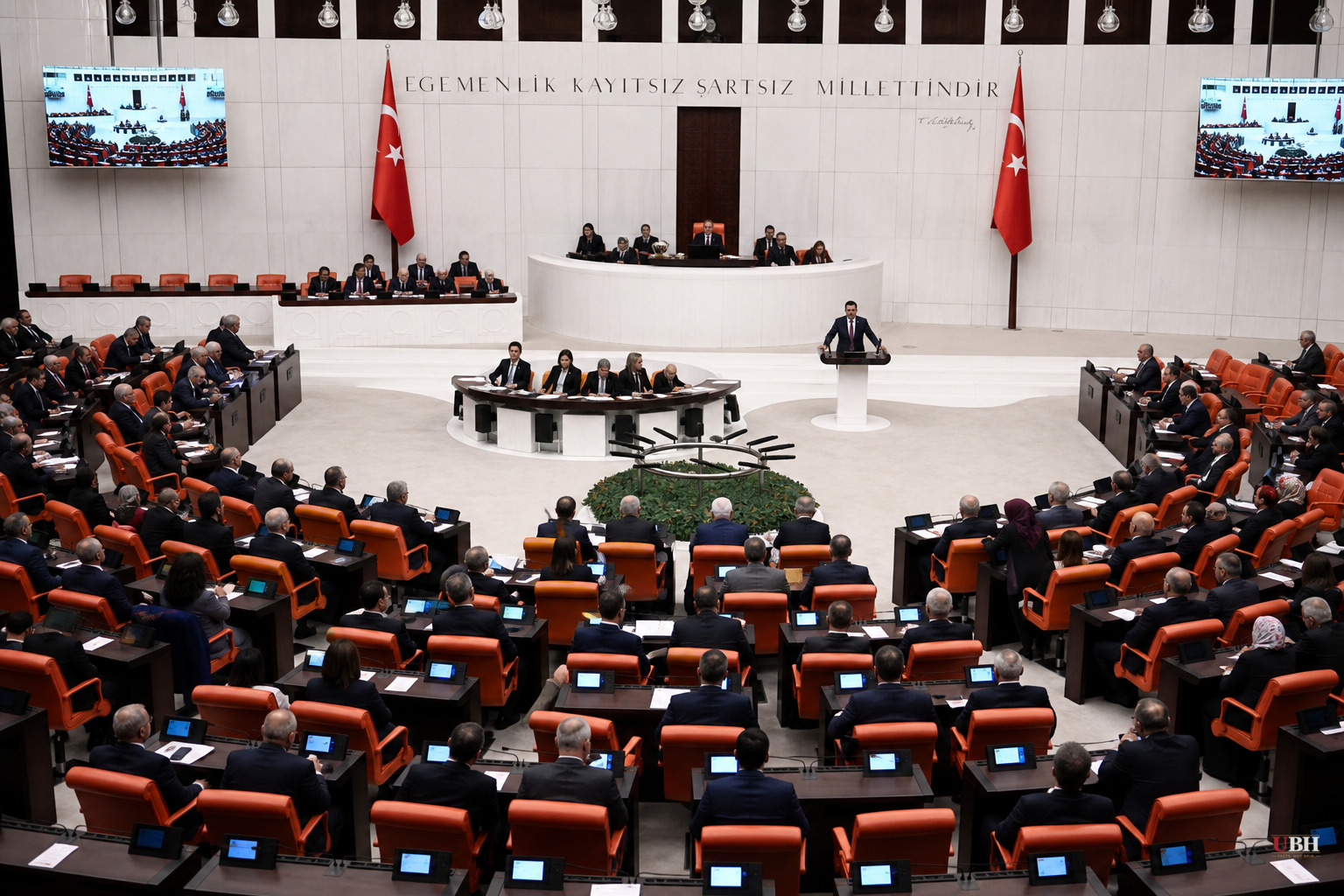
Turkey's parliament passed a law on Monday, August 10, offering conditional relief to thousands of Kurdistan Workers' Party (PKK) fighters willing to lay down their weapons, according to Al Jazeera and Agence France-Presse. The vote was 468 in favor, 88 against, with six abstentions, after 12 hours of debate.
Lawmakers are calling it the "Law on Strengthening National Solidarity and Social Integration," a 12-article bill that lays out the legal groundwork for what happens after PKK fighters disarm, according to Rudaw. It's also been referred to informally as the "terror-free Turkey" law or "Turkey Without Terrorism" law in other reporting.
This is not a blanket amnesty. The law suspends prosecutions and prison sentences for certain offenses for a period of five to ten years. If a covered individual doesn't commit new crimes during that window, the case gets dropped and any sentence is treated as served. People convicted of serious crimes, murder specifically, are excluded, according to ua.news.
Lawmakers estimate the law could initially affect around 3,500 PKK-linked detainees, roughly a third of the PKK-affiliated prisoners currently held in Turkish custody, according to both Al Jazeera and RTL Today.
A conflict that's killed 40,000 people
The PKK launched its insurgency against the Turkish state in 1984. The conflict has killed more than 40,000 people, according to Al Jazeera, most of them Kurds, according to Rudaw. Turkey, the United States, and the European Union all designate the PKK a terrorist organization.
The law arrives 18 months after Abdullah Ocalan, the PKK's imprisoned founder, called on his followers in February 2025 to disarm and pursue Kurdish rights through democratic politics instead of armed struggle. The PKK announced its self-dissolution in May 2025, held a symbolic weapons-destruction ceremony in the mountains of northern Iraq two months later, and later that year announced it was withdrawing all fighters from Turkish territory.
Broad political backing, but a glaring omission
The bill was drafted jointly by President Recep Tayyip Erdogan's Justice and Development Party (AKP) and Devlet Bahceli's hardline Nationalist Movement Party (MHP), and it picked up signatures from the pro-Kurdish DEM Party as well as lawmakers from the opposition Republican People's Party (CHP), according to Rudaw. That's a wide coalition for a country where Kurdish issues have split politics for decades.
Turkish Vice President Cevdet Yilmaz called the vote a "historic step," telling reporters "the 468 'yes' votes are of the utmost importance in terms of political consensus," according to RTL Today. He wrote on social media that Ankara expects "the disarmament and dissolution processes to be implemented as quickly as possible."
The text says nothing about Ocalan himself. He's 77 years old and has spent 27 years in solitary confinement on Imrali prison island near Istanbul, serving a life sentence since 1999.
Yilmaz told CNN Turk last week that Ocalan's case "does not fall within the scope of this law," though he said Ocalan could still be "in a position to contribute to the peace process," without elaborating, according to RTL Today.
The PKK says that's a red line
The PKK pushed back hard before the vote. On Sunday, the group said the peace process cannot move forward unless Ocalan is given a legal path to "free life and work" and unless PKK-linked figures are guaranteed the right to participate in democratic politics, according to Rudaw.
Turkey wants disarmament and reintegration on its own legal terms. The PKK is signaling that without concrete movement on Ocalan's status, its rank and file may not fully buy in, no matter what parliament passes.
RTL Today's coverage captures the deeper divide well: Ocalan is a hero to many Turkish Kurds and "a killer with blood on his hands" to many other Turks. That split explains why no politician backing this bill, from AKP to CHP, has proposed simply freeing him.
None of the four sources report any timeline for when disarmament will actually be verified or how Ankara will confirm PKK compliance over the five-to-ten-year suspension window. That's a real accountability gap: a law built on the assumption that thousands of fighters will simply not reoffend, with no independent verification mechanism mentioned in any of the reporting reviewed.
Yilmaz has said Ankara wants disarmament and dissolution "implemented as quickly as possible," but the law itself doesn't say what Turkey will offer Ocalan in return. Until that question gets answered, one way or another, the PKK's own statement suggests many of the law's provisions could sit unused.
Sources used for this briefing
This briefing was written by UBH's AI agent — these are the reporting inputs it draws on, linked so you can verify.


