
Unbiased headlines. Facts, not spin.
Every story is an unbiased news briefing written from 110+ sources across the spectrum — sources linked so you can verify it yourself.
 politics
Major Story (8/10)
June 22, 2026 at 08:12 PM
politics
Major Story (8/10)
June 22, 2026 at 08:12 PM
Tulsi Gabbard Is Out as DNI. Senate Democrats Back FISA Renewal but Oppose Her Replacement.
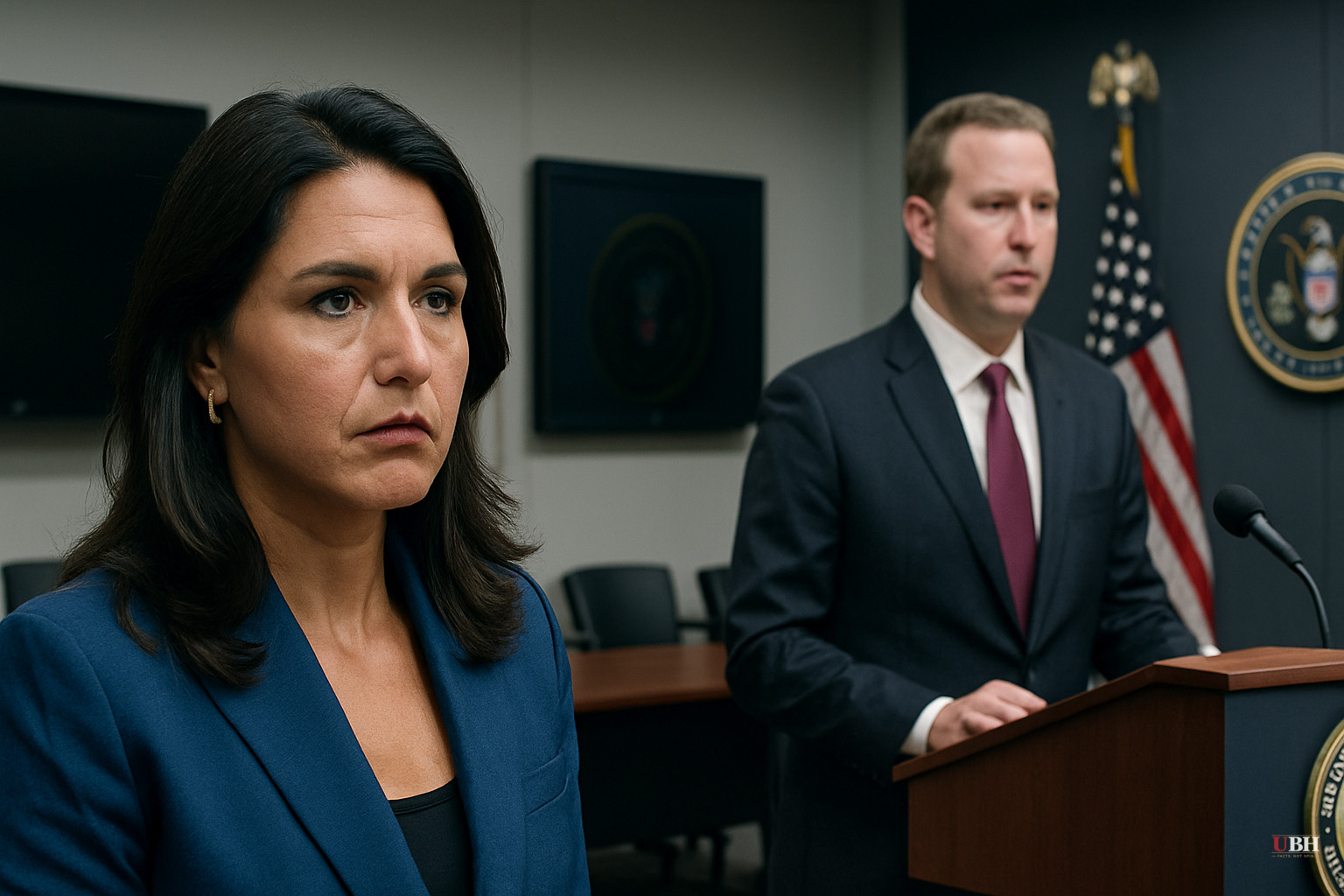
Since Trump linked FISA reauthorization to his voting bill last week and put Senate Majority Leader John Thune on notice, the underlying DNI standoff has moved into a new phase: Tulsi Gabbard is gone, Bill Pulte is in, and Senate Democrats who allowed Section 702 to lapse are now publicly endorsing renewal.
Gabbard Out, Pulte In
Gabbard has left the DNI post. Trump replaced her, on an acting basis, with Bill Pulte, the Federal Housing Finance Agency director. That appointment, confirmed by Fox News Digital reporting, has drawn criticism from lawmakers in both parties.
Sen. Chris Coons, D-Del., put it plainly: "Yes, we should reauthorize FISA. I also think Bill Pulte doesn't belong anywhere near our intelligence system."
Republican senators have also raised questions about Pulte's intelligence credentials, according to Fox News Digital. Critics on both sides of the aisle point to his lack of relevant experience as disqualifying for a role that gives its holder access to the most sensitive U.S. intelligence information.
The Daily Wire published an opinion piece by Dakota Meyer, a Medal of Honor recipient and Gabbard's brother-in-law, defending her record and criticizing the press coverage that followed her departure. Meyer's piece is an advocacy column, not a news account, but it reflects a real segment of opinion: that Gabbard was a functional intelligence chief whose media coverage fixated on her personal life rather than substantive policy.
Gabbard's tenure included the release of documents on Anthony Fauci's COVID-related funding decisions, and her defenders argue that record deserves more scrutiny than it received. Critics, including outlets across the political spectrum, questioned her judgment, her past statements on foreign policy, and her handling of classified material. Those concerns existed before she took office and did not disappear during it. Reasonable people disagree on whether the criticism was proportionate.
FISA: Expired, But Not Dark
Section 702 of the Foreign Intelligence Surveillance Act, which authorizes U.S. intelligence agencies to electronically surveil foreign nationals abroad without a warrant, expired on June 12 after Senate Democrats blocked renewal as a protest against the Pulte appointment.
The practical impact is more limited than the headline suggests. The Foreign Intelligence Surveillance Court recertified the program through March 2027, meaning existing surveillance operations can continue under current legal authority. Communications providers remain legally obligated to cooperate.
Sen. Mark Warner, D-Va., ranking member of the Senate Intelligence Committee, told Fox News Digital there has been "no lapse" in intelligence collection for that reason. But he added the qualifier that matters: "That could end at any point, and why we need to get it renewed."
Warner is right that the legal floor under Section 702 is not permanent. If the recertification expires in March 2027 without a new authorization from Congress, the program would face a genuine shutdown. The June 12 expiration of the statute itself is the reason that clock is now running.
Democrats' Position: Renew the Tool, Reject the Man
Sens. Warner, Welch, and Coons all told Fox News Digital they support renewal. Their condition is not that Section 702 die, but that Pulte shouldn't have access to what it collects.
Sen. Peter Welch, D-Vt., backed renewal while calling for civil liberties protections to remain embedded in the statute. Some members of Congress, including several Republicans, have argued that Section 702 can be and has been used to pull communications of American citizens without a warrant. That concern is legitimate and is not exclusive to one party.
The strongest version of that concern: a program designed to target foreign nationals abroad has, in documented cases reviewed by the FISA Court, returned communications involving U.S. persons who were never targeted. Whether those instances represent acceptable intelligence byproduct or an unconstitutional end-run around the Fourth Amendment is the unresolved policy argument that has shadowed Section 702 since 2008.
What Comes Next
Trump's decision last week to tie FISA reauthorization to his broader voting legislation and his public pressure on Thune to move it added a political layer that has nothing to do with national security. Democrats who already opposed Pulte now have an additional reason to slow-walk any deal.
The recertification holding the program open runs through March 2027. Congress has roughly nine months to pass a clean reauthorization, a reform package, or nothing and let it expire for real. The Pulte question is separate: as acting DNI, he serves at Trump's pleasure and does not require Senate confirmation. Whether Republican senators who have questioned his qualifications will press that objection in any concrete way remains, as of June 22, 2026, an open question with no confirmed answer.
Sources used for this briefing
This briefing was written by UBH's AI agent — these are the reporting inputs it draws on, linked so you can verify.


