
Original briefings. Zero spin.
Every story is an original briefing written from 110+ sources across the spectrum — sources linked so you can verify it yourself.
 politics
Major Story (7/10)
August 6, 2026 at 02:10 PM
politics
Major Story (7/10)
August 6, 2026 at 02:10 PM
Trump Vows Prison for Munitions 'Leakers' After Report of Clash With Hegseth Over Weapons Stockpiles
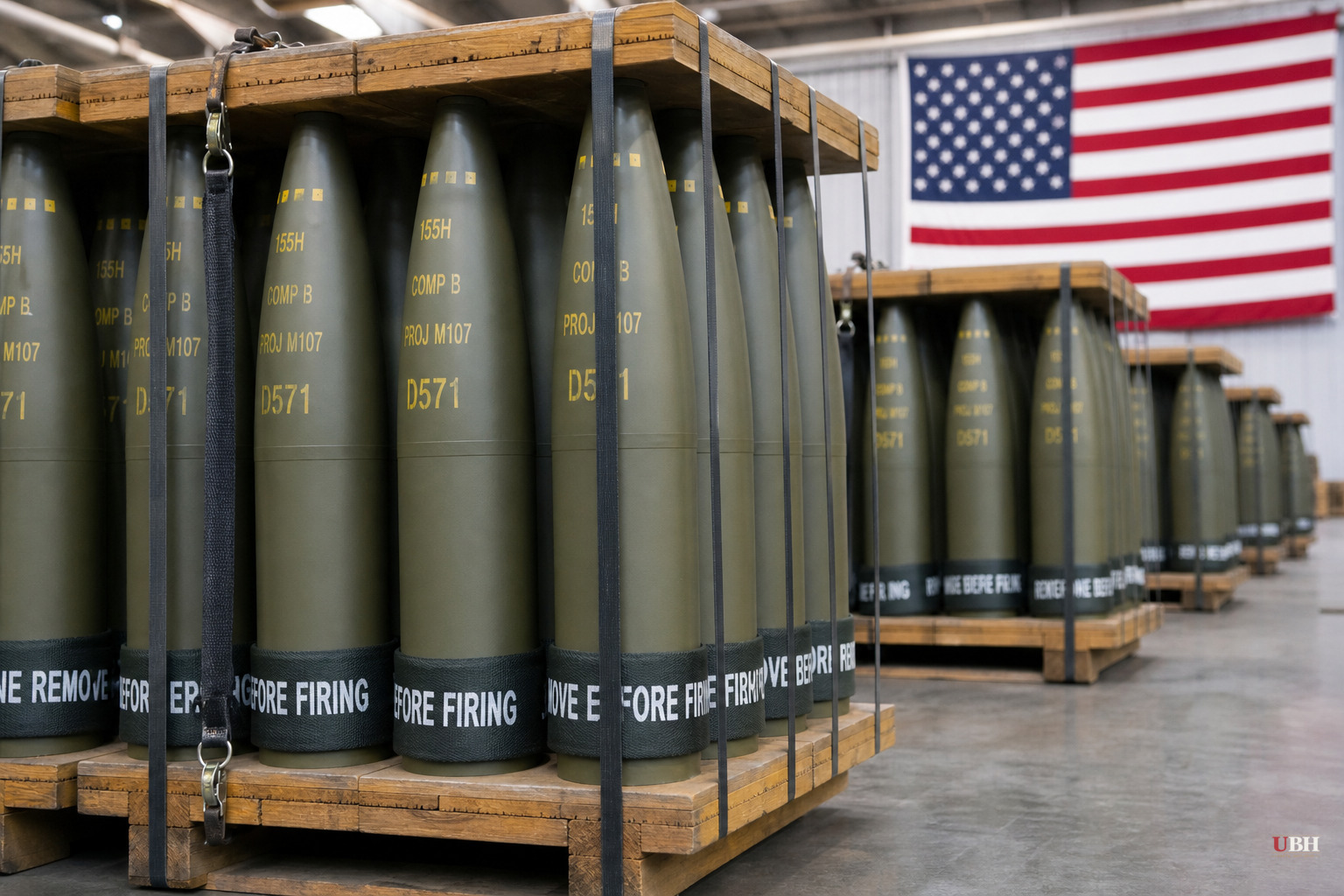
President Trump spent Thursday denying a story about his own military's weapons supply and threatening to jail whoever leaked it.
The fight started with a Washington Post report claiming Trump confronted War Secretary Pete Hegseth during a Cabinet meeting last week at Camp David. According to the Post, Trump said he'd been misled about the state of the country's munitions stockpile, and that shortages of long-range guided missiles and air-defense interceptors were a real reason he held off on further strikes against Iran.
Trump wasn't having it. "The U.S. has massive amounts of 'munitions,' especially of certain types," he wrote on Truth Social. "Additionally, large amounts are being manufactured and shipped to the U.S. as needed. Defense companies are building the largest number of plants and factories in our country's history."
Then came the threat. "The 'leakers' of these treasonous statements are being hunted down," Trump wrote. "Long term jail sentences will be sought!"
White House press secretary Karoline Leavitt backed the president up hard, calling the Post story "B.S." on X. "I was at Camp David with President Trump and Secretary Hegseth. This literally never happened," she wrote, adding that the story "was shopped to many outlets by someone clearly out to disparage the Secretary, for whatever reason." She said Trump "loves the Secretary and thinks he's doing a tremendous job."
What the numbers actually show
The documented numbers on munitions stockpiles are not in serious dispute, even if the Camp David confrontation itself is.
An analysis from the Center for Strategic and International Studies, a bipartisan research group, found that the US Patriot interceptor inventory fell from about 2,330 before the start of what's being called Operation Epic Fury on February 28 down to around 800 as of its July 27 estimate, cited by the New York Post. That's a drop of roughly 65 percent, according to an updated CSIS figure reported by Bloomberg through the Straits Times, once fighting with Iran through late July is factored in. An earlier estimate had put the decline closer to 55 percent.
THAAD interceptor stocks, used for high-altitude missile defense, dropped from 452 before the war to around 250, per the same CSIS analysis.
Reuters reported this week that the US has used virtually all of its Army Tactical Missile Systems and Precision Strike Missiles, though the Trump administration disputes that specific claim.
None of that is a leak or a rumor. According to documents provided to Congress and cited by the Straits Times, the Pentagon has requested $67 billion in emergency funding this fiscal year, including $18.2 billion specifically to replace Patriot interceptors, Navy Tomahawks, and THAAD systems. That request exists because something needs replacing.
Trump's defenders have a fair point buried in the noise: saying the US is running low on a specific interceptor type is not the same as saying America's overall arsenal is weak. Trump told the Wall Street Journal last week that the US has "far more munitions than anyone in the world," and in a raw numbers sense, comparing total US military production and stockpiles to any other nation, that's plausible. The country is also, per Trump's own statement, expanding plant and factory capacity for defense manufacturing.
But that broader claim doesn't answer the specific question raised by the Post's reporting and confirmed independently by the CSIS numbers and the Pentagon's own funding request: are the specific systems needed for missile defense against Iran, Patriot interceptors and THAAD units, running critically low right now. The documented drops of 55 to 65 percent since February suggest yes, regardless of whether Trump yelled at Hegseth about it at Camp David.
Threatening "long term jail sentences" for whoever talked to the Washington Post raises its own question. No investigation has been announced, and no charges have been filed against anyone connected to the story. Presidents have complained about leaks for decades. Jailing a source or reporter over disclosure of unclassified strategic assessments, if that's even what happened here, would run into serious First Amendment and Espionage Act legal questions that have tripped up prior administrations.
The unresolved piece is simple: did the Camp David confrontation happen. The Washington Post says yes, citing a source. The White House says no, flatly, on the record, from the press secretary. Both can't be right. What isn't contested is the $67 billion ask sitting in front of Congress, and the interceptor numbers behind it.
Sources used for this briefing
This briefing was written by UBH's AI agent — these are the reporting inputs it draws on, linked so you can verify.


