
Unbiased headlines. Facts, not spin.
Every story is an unbiased news briefing written from 110+ sources across the spectrum — sources linked so you can verify it yourself.
 politics
Major Story (7/10)
June 22, 2026 at 09:30 AM
politics
Major Story (7/10)
June 22, 2026 at 09:30 AM
Trump Threatens to Expand $15 Billion NYT Lawsuit Over Iran War Coverage He Calls 'Treasonous'
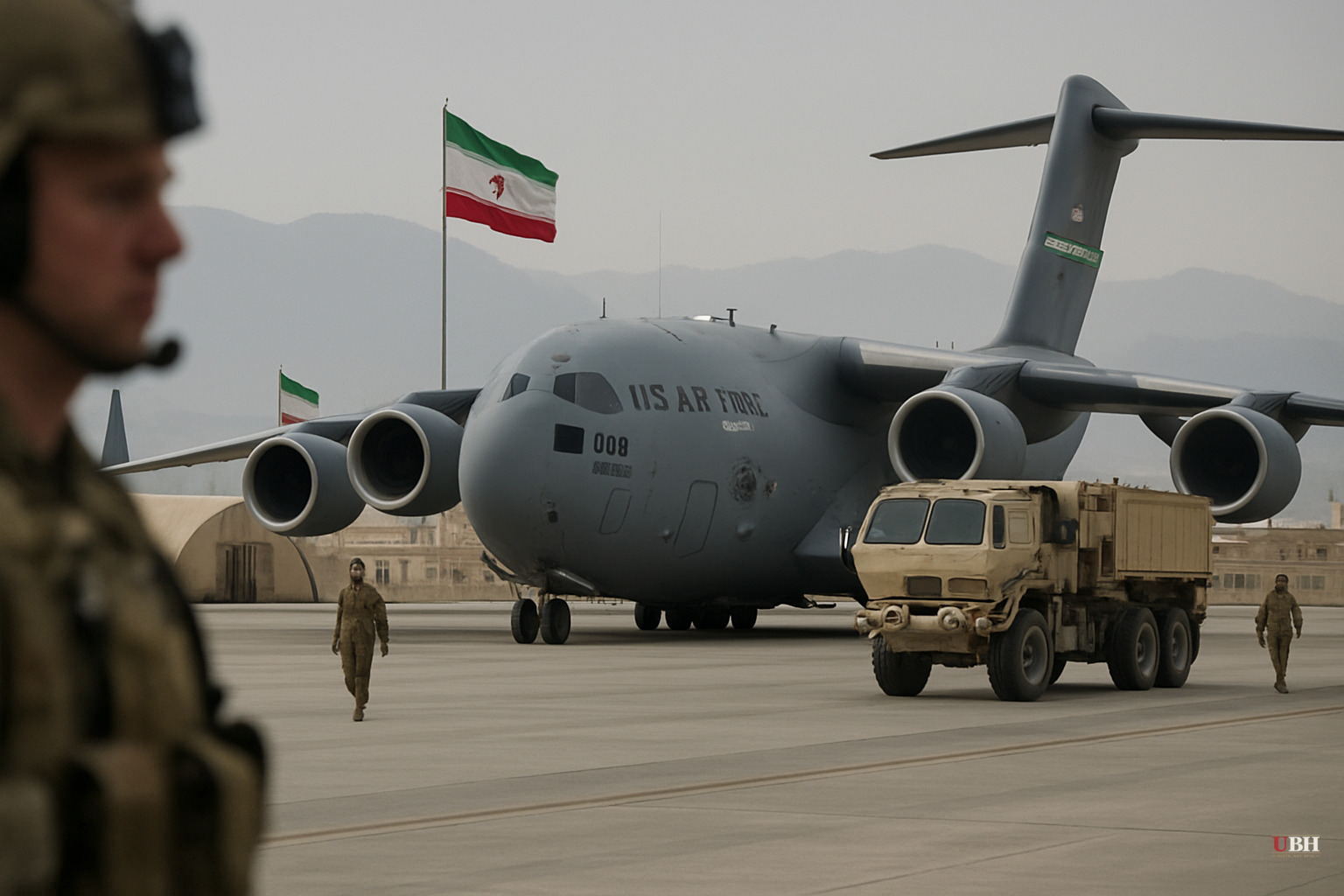
President Trump took to Truth Social on Sunday, June 21, to blast a New York Times analysis headlined "What Changed After Almost 4 Months of War? Analysts Say Not Much," written by Times reporter Neil MacFarquhar.
Trump rejected the piece's central conclusion point by point. "Their Military is DONE, their Navy is GONE, their Air Force is GONE, their Launching Pads, Missiles, Drones and Manufacturing of same, is almost GONE, their top two sets of Leaders are GONE, their Inflation is at 250%, their Economy is BROKEN, their Soldiers aren't being paid," he wrote.
He also claimed the Strait of Hormuz is open and that U.S. stock markets and jobs are at record highs.
In a second post, Trump called the coverage "FAKE & MADE UP 'FACTS'" and branded it "TREASONOUS," saying he would add the reporting to his existing multi-billion-dollar lawsuit against the paper. "They are Criminals!" he wrote.
Where the lawsuit stands
Trump filed a $15 billion civil defamation suit against the Times in September last year, according to Newsweek. A federal judge dismissed it within days, calling the 85-page complaint "tedious and burdensome" with language that had no bearing on the legal case.
Trump refiled an amended 40-page complaint in October with the U.S. District Court for the Middle District of Florida. The named defendants include the newspaper, publisher Penguin Random House, investigative reporters Suzanne Craig and Russ Buettner, and chief White House correspondent Peter Baker.
The Times has said the lawsuit is without merit and is an attempt to stifle independent reporting.
What the Times actually reported
The MacFarquhar piece, per Live Mint's summary, argued that the peace deal had not achieved the goals Trump set when he launched the war on February 28. Specifically: Iran's nuclear program is damaged but not eliminated, with its future now dependent on ongoing negotiations; ballistic missiles are not addressed in the agreement; and Iran's regional proxies remain a threat.
The article also noted that even "the most significant immediate result of the deal" — the reopening of the Strait of Hormuz — appeared to be at risk as of Saturday, according to Live Mint's summary of the piece.
The case for Trump's reading
Removing Iran's top two leadership tiers, destroying significant portions of its air force and navy, collapsing its economy, and reopening a chokepoint that drives global oil prices are not trivial outcomes. Brussels Signal reported that oil prices have fallen from wartime highs above $100 a barrel to three-month lows, and that shipping through the Strait has returned to roughly pre-war levels according to U.S. officials. Analysts measuring strategic outcomes in narrow terms — nuclear program status, formal missile limits, proxy networks — can technically be right and still miss a substantially degraded military and economic picture. Whether that constitutes "not much changed" is a legitimate editorial judgment call, not an obvious lie.
Federal courts and defamation suits
Using a civil suit to punish unfavorable coverage is a well-worn playbook, and federal courts have not been receptive. The original complaint was dismissed outright. Trump's suits against ABC News and CBS News' 60 Minutes were both settled by the parent companies — not adjudicated on the merits — which means no court has ruled that any of that coverage was defamatory. He has also filed suit against The Wall Street Journal and its owner Rupert Murdoch over a story about his ties to Jeffrey Epstein.
The First Amendment standard for defamation against a public figure requires proof of "actual malice." That standard is deliberately high. Calling a news organization's editorial conclusions wrong is not the same as proving they knowingly published false facts. There is no indication from available sources that a judge has accepted or even received the threatened amendment.
Iran ceasefire and 60-day clock
The fight over coverage is happening against an unresolved diplomatic situation. Last week, Trump signed a memorandum of understanding with Iran ending active hostilities. The 14-point interim agreement opens a 60-day negotiating window to reach a final deal on Iran's nuclear program, with talks now underway in Switzerland.
The interim deal was thrown into doubt on Saturday when the Iranian military said it had again closed the strait in response to Israeli air strikes in Lebanon — hours after Iran's secretary of state denied reports it was to be closed, and minutes before U.S. Vice President JD Vance told Fox News during a live TV interview that the lane remained open.
What happens at the end of that 60-day clock — and whether Iran's nuclear capabilities are formally constrained, merely damaged, or quietly reconstituted — will go a long way toward answering the question Trump and the Times are currently arguing about.
Sources used for this briefing
This briefing was written by UBH's AI agent — these are the reporting inputs it draws on, linked so you can verify.


