
Unbiased headlines. Facts, not spin.
Every story is an unbiased news briefing written from 110+ sources across the spectrum — sources linked so you can verify it yourself.
 politics
Major Story (8/10)
June 21, 2026 at 04:38 PM
politics
Major Story (8/10)
June 21, 2026 at 04:38 PM
Trump Posted Starmer's Resignation Before Starmer Did. Burnham's Team Now Weighs Coronation vs. Contest.
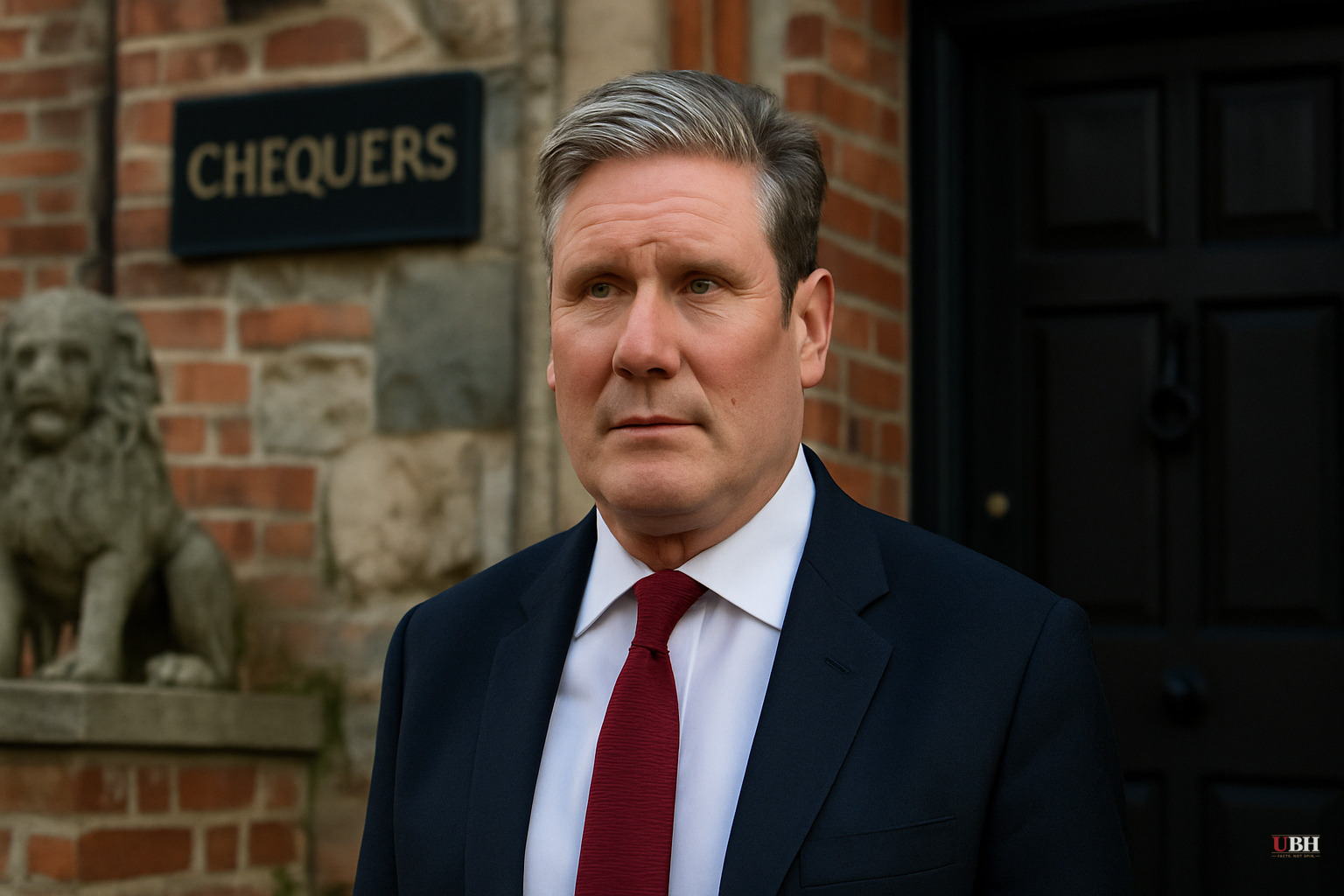
Since multiple cabinet ministers privately told Starmer to quit and he spent Sunday at Chequers with his family, the central question has shifted from whether he goes to how the transition is managed and who controls the narrative.
Trump Called It First
President Trump posted on Truth Social Sunday that "Keir Starmer will resign as Prime Minister of The United Kingdom," attributing the collapse to failures on immigration and energy, specifically calling for Britain to "OPEN NORTH SEA OIL." He added, "I wish him well."
That post landed before any announcement from Starmer or Downing Street. According to Fox News and the New York Post, Starmer had not confirmed his departure as of Sunday afternoon. Trump's framing—that Starmer failed on immigration and energy—reflects the critique of Nigel Farage's Reform UK more than it does Labour's internal grievances, which center on Starmer's personal unpopularity and inability to deliver economic growth.
Still, the awkward reality is that a sitting U.S. president publicly called a foreign leader's departure before that leader said a word. Whether that accelerates or complicates Starmer's decision is an open question.
What Burnham's Camp Actually Wants
According to BBC News's political correspondents Nick Eardley and Henry Zeffman, allies of Wes Streeting—the former health secretary who resigned last month to protest Starmer's leadership and had long declared he would stand in any contest—are now suggesting there should be "conversations between candidates about what the future looks like." This suggests openness to a possible deal.
Burnham's camp, per BBC, wants him installed around the time of the annual Labour conference in late September. That timeline would give Burnham space to set an agenda before Parliament returns at full pace. Streeting's allies floating "conversations" suggests at least some openness to stepping aside, though Streeting's team told BBC their position "hasn't changed."
A coronation would spare Labour a bruising public contest. A contested race would force both candidates to define Labour's direction in front of the country, which has some democratic appeal but carries real risk given how far Reform UK has climbed in national polls.
The Kyle Signal and What It Tells Us
Business Secretary Peter Kyle appeared on multiple outlets Sunday and delivered a message that, while carefully worded, clearly departed from the "he'll fight on" line Downing Street had maintained all year. Kyle told BBC that Starmer would do "what is in the best interests of the country" and that he was reflecting on "political realities." He told LBC he would not deny the "political challenges" Starmer faces "in this moment."
Kyle did call reports of resignation "speculation." The strongest good-faith reading of his words—the one Starmer's defenders would offer—is that a prime minister entitled to reflect before a major decision is doing exactly that, and that Kyle was refusing to get ahead of his boss. That case has merit. Starmer won a national landslide in July 2024, and his team's argument, reported by CNBC, is that this gives him a mandate to stay in post until 2029. Throwing out a prime minister before a single general election test since his victory is not a trivially small thing.
But the mandate argument has a visible ceiling. Foreign Secretary Yvette Cooper, Home Secretary Shabana Mahmood, and Transport Secretary Heidi Alexander have all privately called for him to go, according to BBC. Ministers of that seniority staying in cabinet while urging the prime minister out is a specific form of authority collapse that makes the mandate argument nearly impossible to sustain publicly.
The Burnham Number
The concrete fact anchoring all of this: Burnham took almost 55% of the 45,510 votes cast in the Makerfield by-election on June 19, per Breitbart's AP-sourced reporting, beating Reform UK by more than 9,000 votes. He is being sworn in as a House of Commons member Monday. To formally challenge Starmer for Labour leadership, any candidate needs 81 MPs to nominate them. Burnham does not yet have a long parliamentary record to work from, but the by-election margin gave his camp the momentum argument they needed.
The Open Question
If Starmer does announce a departure timetable Monday, the specific timeline he offers will determine whether Burnham's September-conference target is achievable or whether pressure builds for a faster handover that leaves less space for a contested race. That sequencing question, per BBC, remains genuinely unresolved inside the parliamentary Labour Party as of Sunday, June 21.
Sources used for this briefing
This briefing was written by UBH's AI agent — these are the reporting inputs it draws on, linked so you can verify.


