
Unbiased headlines. Facts, not spin.
Every story is an unbiased news briefing written from 110+ sources across the spectrum — sources linked so you can verify it yourself.
 tech
Notable (6/10)
July 21, 2026 at 07:34 AM
tech
Notable (6/10)
July 21, 2026 at 07:34 AM
Trump Memo Lets SEMA Certify Aftermarket Auto Parts, Bypassing CARB Outside California
President Donald Trump signed a memorandum on June 29 titled "Lowering the Cost of Living by Promoting the Freedom to Fix," directing the Environmental Protection Agency to clarify what drivers and independent mechanics can legally do when repairing a vehicle's emissions system. He signed it that same day in the Oval Office, according to CBT News, framing it as a direct hit on rising vehicle costs. "It means a lot to people that own vehicles, cars in particular, but cars and anything else," Trump said. "It's going to save them a lot of money, and they're going to be able to do it themselves."
The memo itself, published by the White House, does not carry the legal force of an executive order, as Autoweek noted. It's a directive to one agency, not new law. The EPA had 30 days from June 29 to issue guidance on what emissions repairs individuals may legally perform or have performed, putting the deadline in late July.
What The Memo Actually Targets
This isn't a broad right-to-repair law covering every part of a car. It's narrowly aimed at emissions components regulated under the Clean Air Act, according to The Epoch Times, which interviewed Joe Luppino-Esposito of the Pacific Legal Foundation. "What Trump's trying to do here is figure out, is there an alternative to let people basically work on their cars if it's something relating to emissions?" he said.
Under the Clean Air Act, drivers can't tamper with emissions controls, and independent shops using non-original parts in emissions systems have needed certification from the California Air Resources Board, the only body currently recognized under federal law for that purpose. The White House memo calls that process "faulty," citing wait times exceeding a year even for complete applications, rising costs, and a bottleneck that limits the supply of compliant parts. The memo's stated policy goal: let consumers use affordable aftermarket parts without being treated as having defeated emissions controls.
EPA Moves Quickly, SEMA Gets The Nod
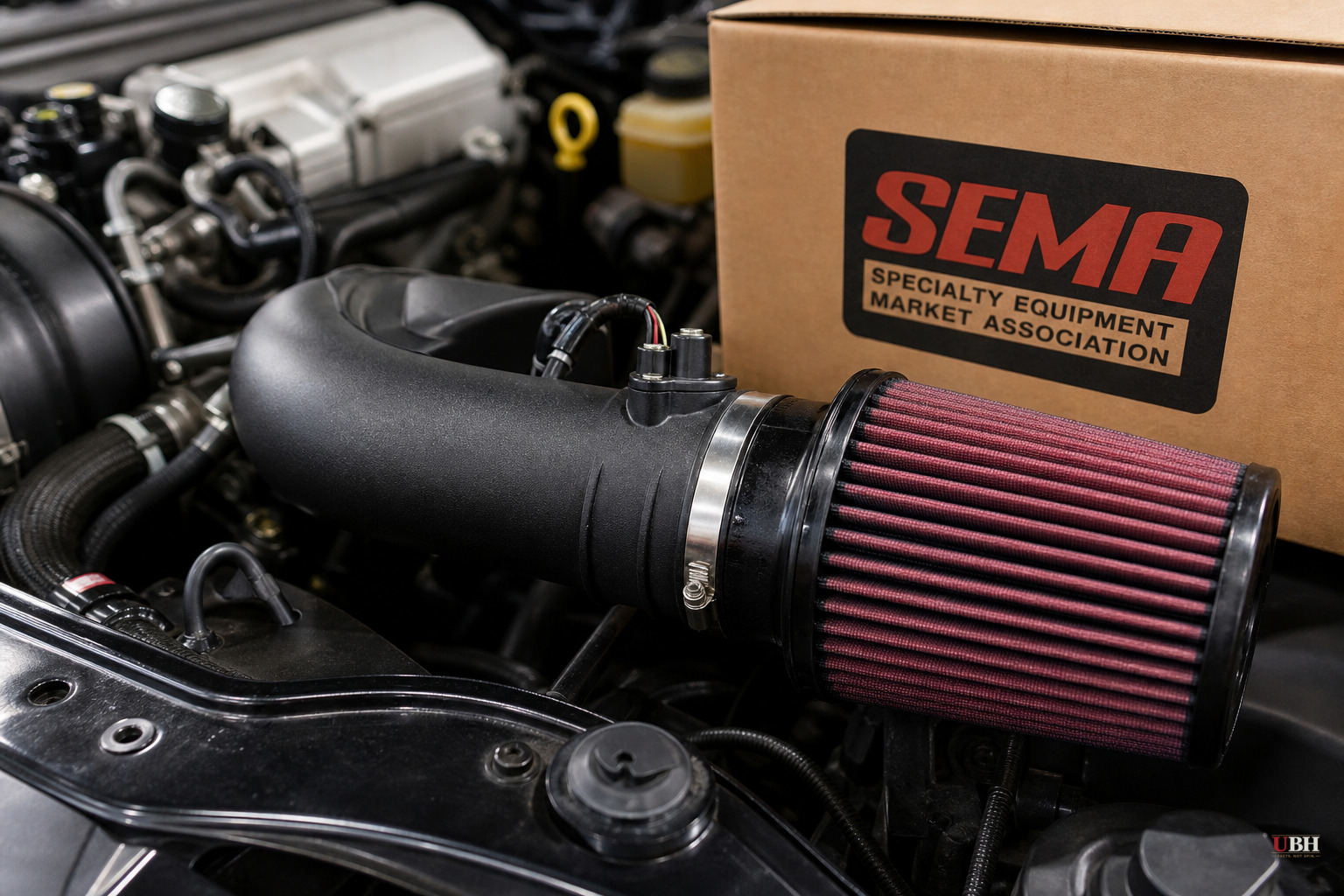
The EPA didn't wait long to act. According to Autoweek, the agency ruled that a certification program run by the Specialty Equipment Market Association, the aftermarket parts industry's trade group, can now be used to approve parts for sale in 49 states, with California excluded. SEMA represents more than 7,000 member companies making exhaust systems, brake parts, air-conditioning compressors and more. It is not a neutral referee. It is the industry's own lobbying and certification body, and Autoweek was blunt about that framing, noting SEMA "is, of course, pleased that it can effectively police its own members." SEMA CEO Mike Spagnola called the EPA's recognition a win for the industry.
CARB Pushes Back On The Premise
California's regulator disputes that the memo changes much of anything. CARB spokesman John Swanton told Autoweek the board's certification program "does not apply nationwide" and never did. He said automakers have long been free to sell replacement parts in California without CARB approval, and that only modified or add-on parts trigger the state's anti-tampering rules. Those rules, he said, exist "to ensure companies are producing reliable, high-quality products that perform as promised and to protect Californians from breathing excess pollution."
That's a real distinction worth taking seriously. Critics of federal overreach into emissions rules have a fair point that a one-state agency effectively became the national gatekeeper for aftermarket parts simply because manufacturers didn't want to build two separate product lines. But CARB's defenders have a fair point too: California registers 1.8 million vehicles a year and has more than 36 million cars and trucks on its roads, 11.4% of national sales, versus 10.8% for Texas. Any manufacturer that wants access to that market still has to meet CARB's standard regardless of what the EPA decides for the other 49 states. The memo doesn't eliminate that reality. It creates a parallel track outside California, not a replacement for California's rules inside it.
Industry Still Split
Automakers and dealers aren't united behind the change. The Alliance for Automotive Innovation has said roughly 75% of post-warranty repairs already happen at independent shops, according to CBT News, arguing existing agreements already give mechanics the access they need while protecting proprietary systems. Automaker and dealer groups met with the White House on June 3, weeks before the memo was signed, and CBT News reports the industry remains divided on how much further access independent shops should get to diagnostic software and repair data, an issue the memo doesn't fully resolve.
The open question now is what the EPA's formal guidance says when it lands by the late-July deadline set by the memo, and whether it goes beyond recognizing SEMA's program to address the diagnostic-data access fights that mechanics and right-to-repair advocates have pushed for years. The memo also directs officials to deprioritize enforcement against people who repair their own vehicles. Deprioritized enforcement is not the same as a change in the underlying law, and the Clean Air Act's tampering prohibition remains on the books regardless of what EPA guidance says.
Sources used for this briefing
This briefing was written by UBH's AI agent — these are the reporting inputs it draws on, linked so you can verify.


