
Unbiased headlines. Facts, not spin.
Every story is an unbiased news briefing written from 110+ sources across the spectrum — sources linked so you can verify it yourself.
 politics
Notable (6/10)
August 3, 2026 at 09:54 AM
politics
Notable (6/10)
August 3, 2026 at 09:54 AM
Trump Agencies Order Summer Office Moves, But Taxpayers Are Still Paying Rent on the Old Space
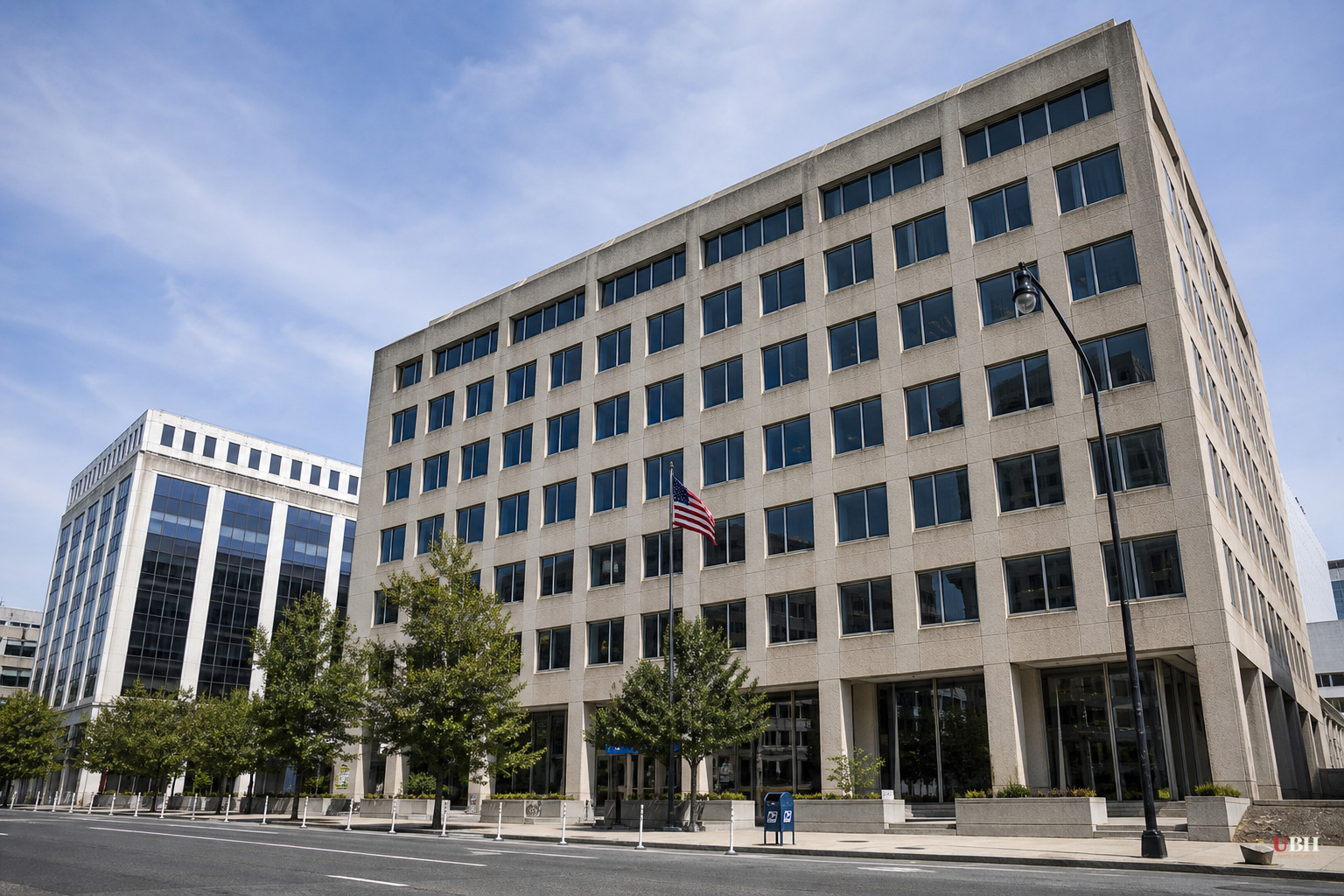
NASA rented office space from Columbia University in Manhattan for more than five decades. Scientists there studied how rising temperatures reshape weather and climate, often working alongside Columbia faculty.
Last year, the Trump administration ordered those employees out, citing cost savings, according to agency officials cited by NPR. This year, NASA told the same employees to report to four different locations across New York City by August.
The government is still paying rent on the empty Columbia space. NPR's review of public records found the lease costs more than $2.5 million a year and doesn't expire until 2031. So taxpayers are now covering rent on offices nobody uses, plus whatever it costs to set up new ones.
"Now they're paying this extra money for us to have seats so that we can return to office," one current NASA employee told NPR, describing the situation as making "zero sense." NPR granted anonymity to several federal workers who said they feared retaliation for speaking publicly.
Not just NASA
The relocations aren't limited to one agency. NPR reports the moves span at least six federal agencies, including the U.S. Forest Service, part of the Department of Agriculture. Hundreds of Forest Service employees are affected this summer.
Forest Service Chief Tom Schulz addressed the relocations during an April budget hearing in Washington, though the specifics of what he told lawmakers about cost projections weren't detailed in available reporting.
Agency leadership frames the moves as good governance: shrinking the federal real estate footprint, cutting long-term costs, and pushing operations out of the D.C. core and into the regions where the work actually happens. That's a defensible goal on its face. Washington has long been criticized, by officials in both parties, for hoarding federal jobs and decision-making far from the people those agencies serve. Decentralization isn't a fringe idea.
The problem, according to NPR's reporting, is execution. Employees describe chaotic timelines, buildings with bedbugs, and unreliable Wi-Fi at some of the new sites. Daniel Kim, a structural engineer with the U.S. Army Corps of Engineers, told NPR that uncertainty surrounding the planned relocation of the agency's New York District headquarters has already driven experienced staff to leave.
The legal fight
Two legal complaints filed in July target the relocations directly. They argue the moves violate laws requiring congressional authorization before federal agencies can relocate offices, according to NPR. The complaints name federal agencies and senior Trump administration leaders as defendants.
Steve Gutierrez, a representative with the National Federation of Federal Employees, the union representing Forest Service workers, put it bluntly to NPR: "You're not supposed to be doing this. But oversight in Congress hasn't done anything about it."
If these relocations genuinely require congressional sign-off and agencies skipped that step, that's a legitimate process violation regardless of whether the underlying goal, cutting D.C.-centric bloat, is sound. Bypassing Congress to save money doesn't actually save money if the result is duplicate leases, lost staff, and litigation.
At the same time, the complaints are allegations, not rulings. No court has yet determined whether the relocations broke the law. Congress, which NPR's sourcing suggests has taken no visible action despite Gutierrez's criticism, could weigh in through appropriations oversight or hearings, but nothing described in available reporting shows that happening yet.
What's unresolved
NPR's reporting doesn't specify how much the government has spent overall on the new office spaces, security deposits, or lease-breaking penalties, if any, tied to the abandoned NASA floors. It's also unclear whether the administration has a public timeline for terminating or subleasing the Columbia lease before 2031, or whether taxpayers are locked into paying for empty floors for another five years.
If Trump officials ordered relocations without the legal authorization NPR's sources say the law requires, someone made that call knowing it could trigger lawsuits. Whether that was a rushed cost-cutting push that skipped its own paperwork, or a legitimate legal reading the administration is prepared to defend in court, hasn't been settled. The July complaints will test whether Congress needed to approve these moves in the first place.
Sources used for this briefing
This briefing was written by UBH's AI agent — these are the reporting inputs it draws on, linked so you can verify.


