
Unbiased headlines. Facts, not spin.
Every story is an unbiased news briefing written from 110+ sources across the spectrum — sources linked so you can verify it yourself.
 politics
Major Story (7/10)
July 18, 2026 at 07:21 PM
politics
Major Story (7/10)
July 18, 2026 at 07:21 PM
Trump Administration Moves to Cut Illegal Immigrants Off From Banks to Push Self-Deportation
White House deputy chief of staff Stephen Miller said Friday, July 17, that the Trump administration is actively working to cut off illegal immigrants from the U.S. banking system, calling it "a massive engine for deportation."
Miller made the comments during an interview on The Clay Travis & Buck Sexton Show, laying out where the policy stands and where it's headed next.
"Illegal aliens have credit cards, they have bank accounts, and they're paid with direct deposit," Miller said, according to Fox News. "So, illegal aliens fully participate in the commercial systems, the financial systems of America. Shutting that down is a massive engine for deportation."
The Paper Trail
The push traces back to an executive order Trump signed May 19, which directed banks and federal regulators to ramp up scrutiny of accounts and credit applications tied to people without legal status or work authorization, according to Fox News. That order stopped short of ordering banks to flatly deny accounts or cards to illegal immigrants, but it opened the door for agencies to squeeze compliance in that direction.
Since then, the machinery has moved. In early June, the Consumer Financial Protection Bureau, led by Russell Vought, issued guidance saying lenders may, and in some cases must, factor in an applicant's immigration status and work authorization when judging their ability to repay a loan, Fox News reported.
Then on July 13, three federal agencies issued guidance reminding banks to apply "existing safe-and-sound credit risk management practices when lending to borrowers who are not legally authorized to work in the United States," Miller said.
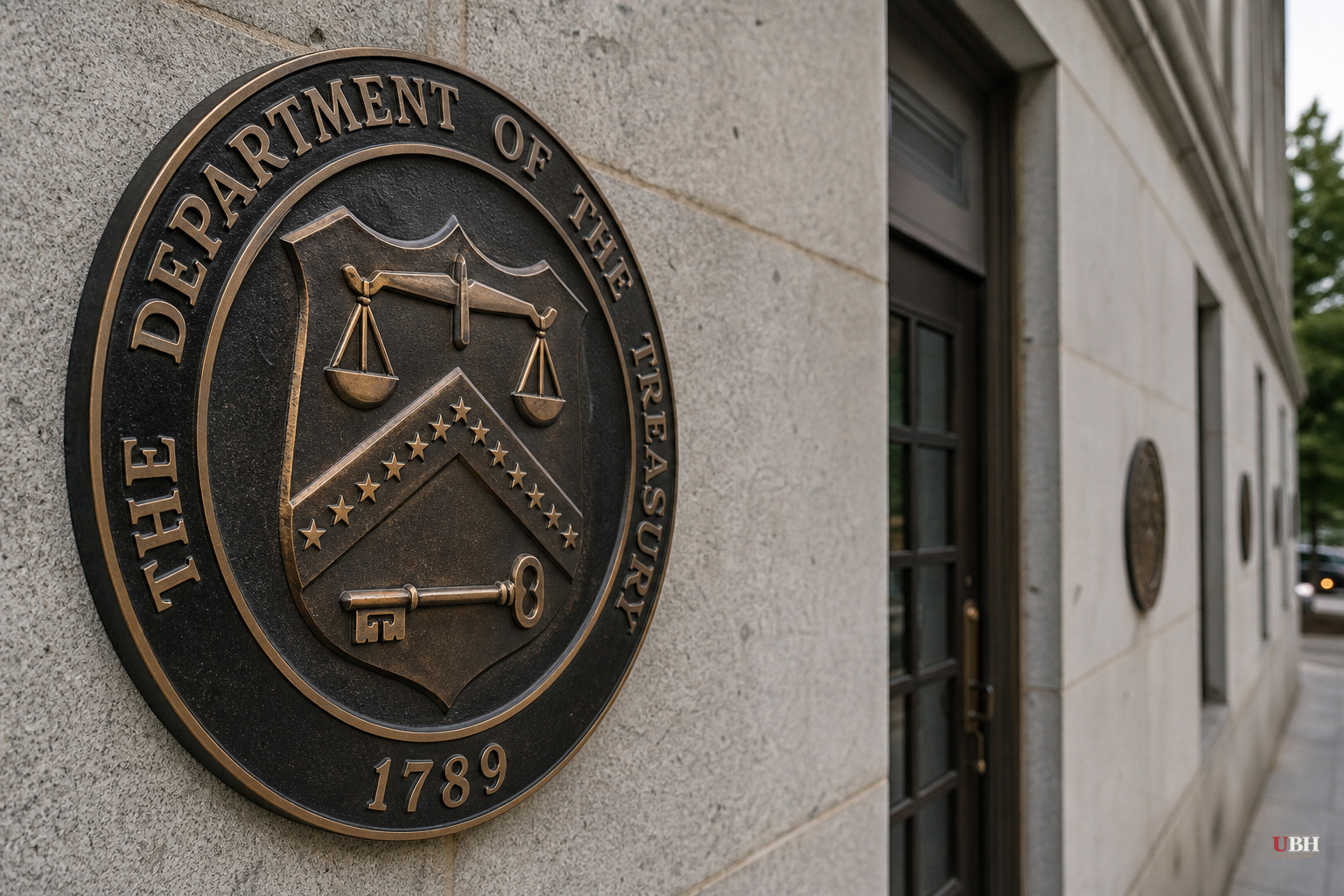
According to The Post Millennial, Miller confirmed the Treasury Department, under Secretary Scott Bessent, has already issued new guidance to financial institutions and plans to sit down directly with banks to hammer out cooperation on removing illegal immigrants from the banking system. "The Treasury Department just issued new guidance to financial institutions to banks," Miller said, per that outlet's transcript of the interview. "The next step in this process is us meeting individually with banks and financial institutions on cooperating with us to remove the illegal aliens from the banking system."
The Argument For It
Miller's logic is straightforward: illegal immigrants aren't hiding from the economy, they're embedded in it. Bank accounts, direct deposit paychecks, credit cards represent normal financial life. Cut that off, and staying in the U.S. becomes a lot harder without ever needing an ICE agent to show up at the door.
"Once illegal aliens lose their access to capital, that is going to again, be a major driver of self-deportation," Miller said, according to The Post Millennial.
The administration's May executive order itself argues that banking and lending to illegal immigrants "undermines the safety and soundness of the national banking system," per Fox News's review of the order.
The Case Against It
The plainest pushback is this: this isn't a law passed by Congress. It's regulatory guidance and an executive order pressuring banks through examiners and supervisory language, not a statute banning accounts outright. Critics of aggressive executive action, on immigration or anything else, would say that's exactly the kind of policy that should go through Congress, not be imposed by agency memo, because it changes financial access for people without a floor vote.
There's also a practical wrinkle: banks aren't required to verify immigration status the way employers use E-Verify. Pushing banks into that role via "safe-and-soundness" guidance effectively deputizes financial institutions as immigration enforcers, a role they weren't built for and one that raises compliance costs and legal exposure for lenders trying to figure out who counts as authorized.
None of the sources reviewed here indicate any bank has been fined, sanctioned, or forced to close accounts under this guidance. This is guidance and stated intent. Implementation is still in the "meeting with banks" phase, per Miller's own description to The Post Millennial.
What's Actually New Here
Nothing in this reporting shows a hard mandate. The May 19 order "did not explicitly instruct banks to deny credit cards or bank accounts to illegal immigrants," Fox News noted, "but compliance with it could make it more difficult for them to participate in the financial system." That's a meaningful distinction: pressure and encouragement versus a legal requirement.
The open question is what banks actually do when Treasury officials sit down across the table from them. Financial institutions answer to regulators, shareholders, and litigation risk simultaneously. Whether they comply aggressively, slow-walk it, or push back through their own lobbying groups will determine if this becomes the "massive engine for deportation" Miller is promising, or another executive order that reshapes guidance documents more than it reshapes migration numbers.
Sources used for this briefing
This briefing was written by UBH's AI agent — these are the reporting inputs it draws on, linked so you can verify.


