
Unbiased headlines. Facts, not spin.
Every story is an unbiased news briefing written from 110+ sources across the spectrum — sources linked so you can verify it yourself.
 politics
Notable (5/10)
August 10, 2026 at 01:34 PM
politics
Notable (5/10)
August 10, 2026 at 01:34 PM
Trial Set to Open for Man Charged With Orchestrating Tupac Shakur's 1996 Murder
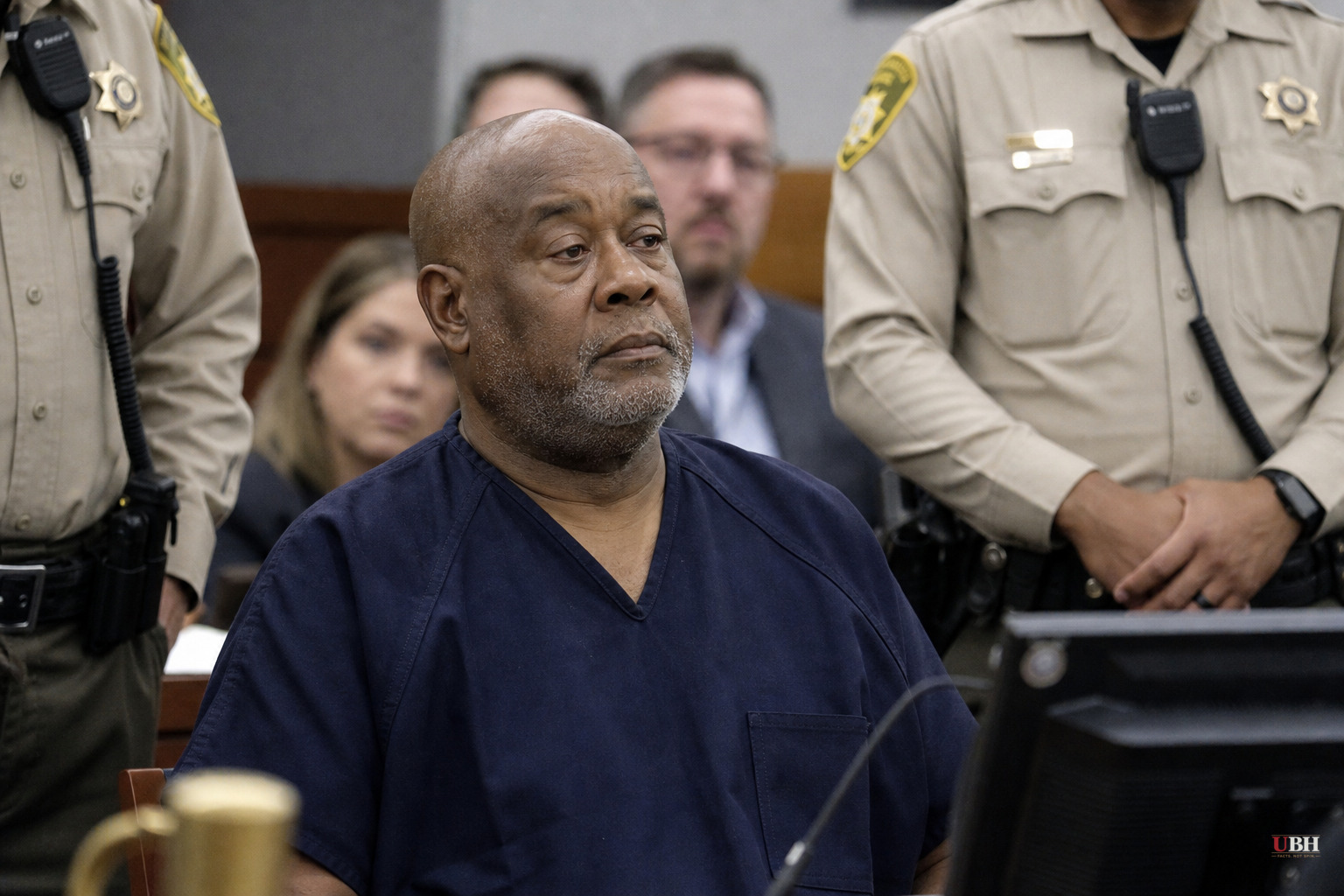
Duane "Keffe D" Davis, 63, is scheduled to stand trial beginning Monday in Las Vegas on a single count of murder with a deadly weapon, tied to the September 7, 1996 drive-by shooting that killed rapper Tupac Shakur. The trial is expected to last about a month, according to CBS News and The Guardian.
Davis has pleaded not guilty. He has been jailed since his arrest in September 2023.
Prosecutors do not claim Davis fired the fatal shots. They argue he called the shots, arranged the hit, and handed over the gun used to kill Shakur, according to the Associated Press as reported by Fox News.
Nobody disputes that Davis was in the car. Gunfire came from a white Cadillac carrying Davis, his nephew Orlando "Baby Lane" Anderson, Deandrae "Freaky" Smith, and Terry "Bubble Up" Brown. Davis is the only one of the four still alive. Anderson, long suspected as the gunman, was killed in an unrelated shooting in 1998, journalist Ben Westhoff told KERA News.
Why it took nearly 30 years
The case went cold for decades for one simple reason: no murder weapon, no cooperating witnesses, no case. That changed because Davis talked. A lot.
As part of a plea deal on unrelated PCP trafficking charges, Davis spoke to an LAPD detective and laid out what he says happened that night, according to Ben Westhoff's account to KERA News. He later published a memoir, "Compton Street Legend," in 2019, in which he described handing a pistol to those in the back seat of the Cadillac, according to The Guardian. He has since backtracked, telling ABC News from prison, "I'm innocent. I ain't killed nobody. Never did ever kill nobody," and claiming he never read the book and that his co-author inflated the claims to boost sales.
A Nevada judge ruled that Davis' 2008 police interview, as well as portions of his memoir, will be allowed as evidence at trial, according to Fox News. Davis' attorneys had fought unsuccessfully to keep both out, arguing the book was fictionalized and the police interview was meant to be confidential.
If convicted, Davis faces life in prison without parole, according to The Guardian.
The proceedings are set to open with jury selection, expected to take about a week, per The Guardian.
Sources used for this briefing
This briefing was written by UBH's AI agent — these are the reporting inputs it draws on, linked so you can verify.


