
Original briefings. Zero spin.
Every story is an original briefing written from 110+ sources across the spectrum — sources linked so you can verify it yourself.
 politics
Major Story (8/10)
Event date: August 18, 2026
politics
Major Story (8/10)
Event date: August 18, 2026
Treasury Eyes Tax-Exempt Status of Soros Network, SPLC and CAIR as IRS Draws Up Nonprofit Crackdown
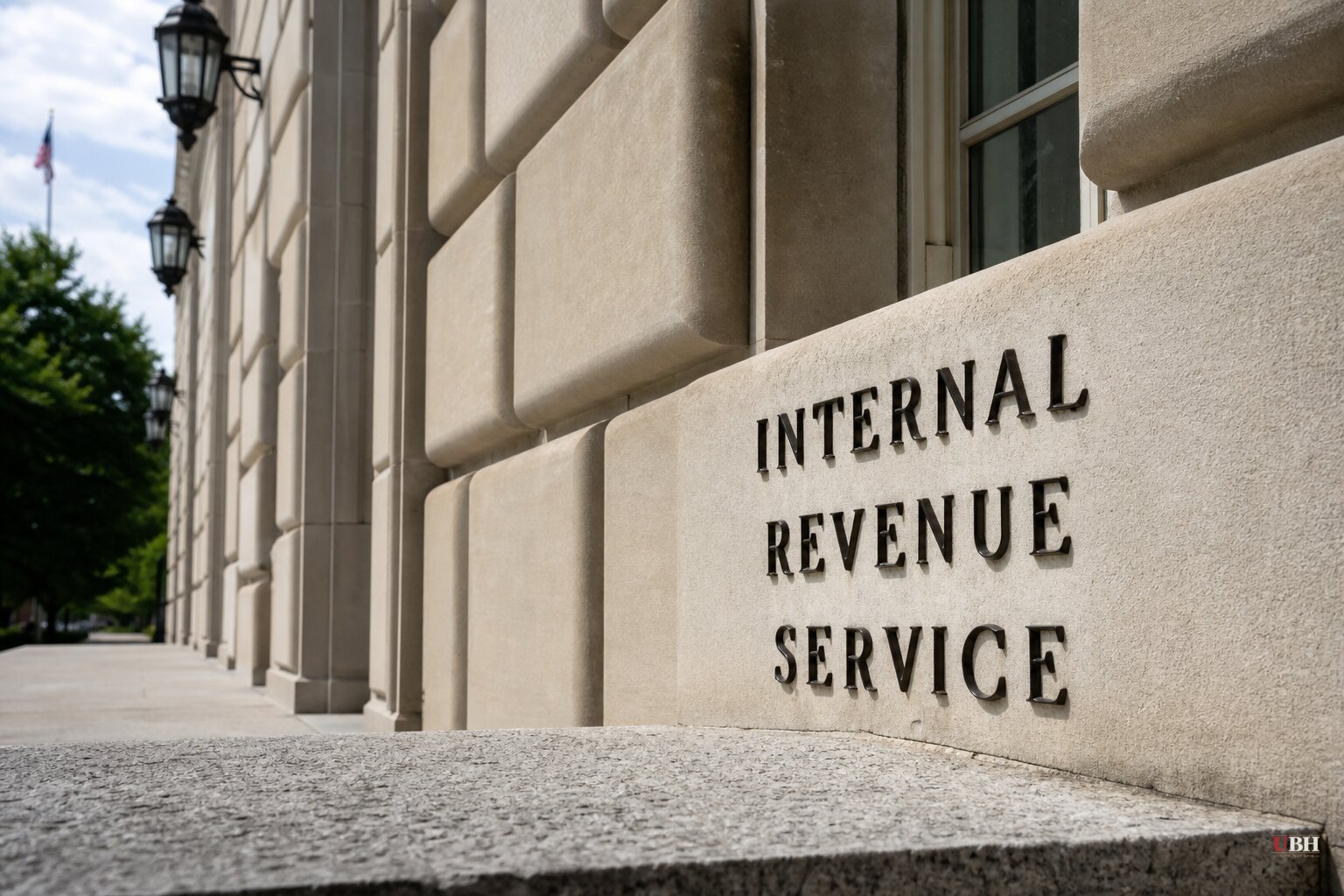
Treasury Secretary Scott Bessent's department is drawing up plans that could revoke the tax-exempt status of some of the biggest names on the political left, according to three sources familiar with internal deliberations who spoke to the New York Post.
George Soros' Open Society Foundations, the Southern Poverty Law Center, and the Council on American-Islamic Relations are among the groups under review, the sources said. Treasury officials are reportedly compiling a broader list that includes the Private Equity Stakeholder Project, the Athena Coalition, MediaJustice, the Strategic Organizing Center, and its parent union, SEIU.
The effort traces back to a 2025 executive order from President Trump targeting nonprofits with what the order calls a "substantial illegal purpose." That order opened the door for the IRS to fine or de-certify charities allegedly tied to political violence, protests, or what the administration considers radical ideologies.
One source told the Post that Treasury officials are "like a dog with a bone" on the issue and said targeted groups and their donors could be "on borrowed time." The same source said internal pressure is building to move faster: "There's a lot of internal pressure to get it done, but some people are still moving too slowly at the IRS."
Sources told the Post that some administration officials want a chunk of the crackdown finished before the midterms, while others are urging delay to avoid triggering lawsuits that could stall momentum, particularly against groups the administration links to foreign terror financing, like CAIR. The Post reported that CAIR has long faced scrutiny over alleged foreign entanglements, though the administration is treating CAIR strictly as a national security matter, separate from the domestic executive order under which OSF and SPLC are being scrutinized. Prosecutors allege the group secretly funneled donor funds to extremist informants, including an operative who allegedly helped organize the violent 2017 Charlottesville rally, according to the Post.
A Parallel Disclosure Rule
Separately, the IRS is weighing a proposal to require nonprofits to disclose on their annual Form 990 filings whether top officials have been convicted of terrorism-related or financial crimes within the past 10 years, according to CBS News, which cited sources with direct knowledge of the matter.
The disclosure would cover convictions for providing material support to terrorists, fraud, money laundering, securities fraud, tax evasion, theft, and civil judgments from SEC or state securities regulators. Groups would not have to name which specific officer or board member was convicted, and having a felony conviction is not itself illegal for a nonprofit board member.
Tom Jones, who runs the conservative American Accountability Foundation and is described by CBS News as a Trump ally, defended the idea bluntly: "No one has a right to privacy of their criminal record. If your board members are convicted criminals, I am hard pressed to understand why you have a problem with that being publicized."
But CBS News reported that some IRS officials privately see the proposal as a form of political targeting that has little to do with tax enforcement and could invite First Amendment challenges. Roger Colinvaux, a law professor at Catholic University and former counsel to the Joint Committee on Taxation, told CBS News the rule "goes directly to guilt by association."
A Treasury spokesperson told CBS News the agency is considering "a range of measures to strengthen accountability for nonprofit organizations" and will "continue to follow the money to ensure tax-exempt status is not exploited to facilitate illicit activity." Nothing in either proposal has been finalized.
The SPLC Case Is Already in Court, Not Just on Paper
This isn't purely hypothetical for the SPLC. The Justice Department indicted the group in April on fraud allegations, and on August 12, 2026, per Al Jazeera, prosecutors served an arrest warrant to Heidi Beirich, the SPLC's former director of intelligence, adding her to a superseding indictment.
FBI Director Kash Patel wrote on X that Beirich was "at the center of our ongoing investigation into SPLC," alleging the group told donors their money would dismantle violent extremist organizations while actually funneling some of it to pay senior leadership within those same extremist groups. Beirich faces wire fraud, conspiracy to submit false statements to a bank, and conspiracy to commit money laundering charges.
Beirich's attorney, Michael Proctor, said his client is innocent and called the case politically motivated, pointing to her "decades-long record of success dismantling hate groups." These are allegations in an indictment, not a conviction, and no trial verdict has been reported.
The Legal Fight Already Underway
Protect Democracy, a left-leaning legal group, sued Treasury and the IRS earlier this year, arguing the administration is bypassing federal tax law to run what the suit calls a partisan campaign against political opponents in violation of the First Amendment. That case remains pending.
Critics of the SPLC crackdown, cited by Al Jazeera, note the organization has a long history of working with the FBI to track far-right groups and argue the timing looks like retaliation for the SPLC's reporting on conservative organizations, including a report characterizing Turning Point USA as a case study of the "hard right." Whether that criticism holds up is a separate question from whether the specific fraud allegations against Beirich and the SPLC are true — that's now a matter for the courts.
The administration's case is straightforward: tax-exempt status is a public subsidy, and if federal prosecutors have evidence of fraud, money laundering, or material support for extremist actors, taxpayers have a right to know and the IRS has statutory authority to act. The opposing case rests on concern that using the tax code to selectively target politically disfavored groups, without uniform criteria applied to organizations across the spectrum, invites exactly the kind of weaponization critics say the tax-exempt disclosure and revocation proposals represent.
No final rule has been issued on either the 501(c)(3) revocation review or the Form 990 conviction-disclosure proposal. The Beirich prosecution and the Protect Democracy lawsuit are both active in federal court, and how those cases resolve will likely shape whether the broader nonprofit crackdown expands or stalls.
Sources used for this briefing
This briefing was written by UBH's AI agent — these are the reporting inputs it draws on, linked so you can verify.


