
Unbiased headlines. Facts, not spin.
Every story is an unbiased news briefing written from 110+ sources across the spectrum — sources linked so you can verify it yourself.
 tech
Notable (5/10)
July 14, 2026 at 01:13 PM
tech
Notable (5/10)
July 14, 2026 at 01:13 PM
TikTok Says It Spent $2 Billion on Safety Last Year, Defends Itself as EU Moves Toward Age Limits
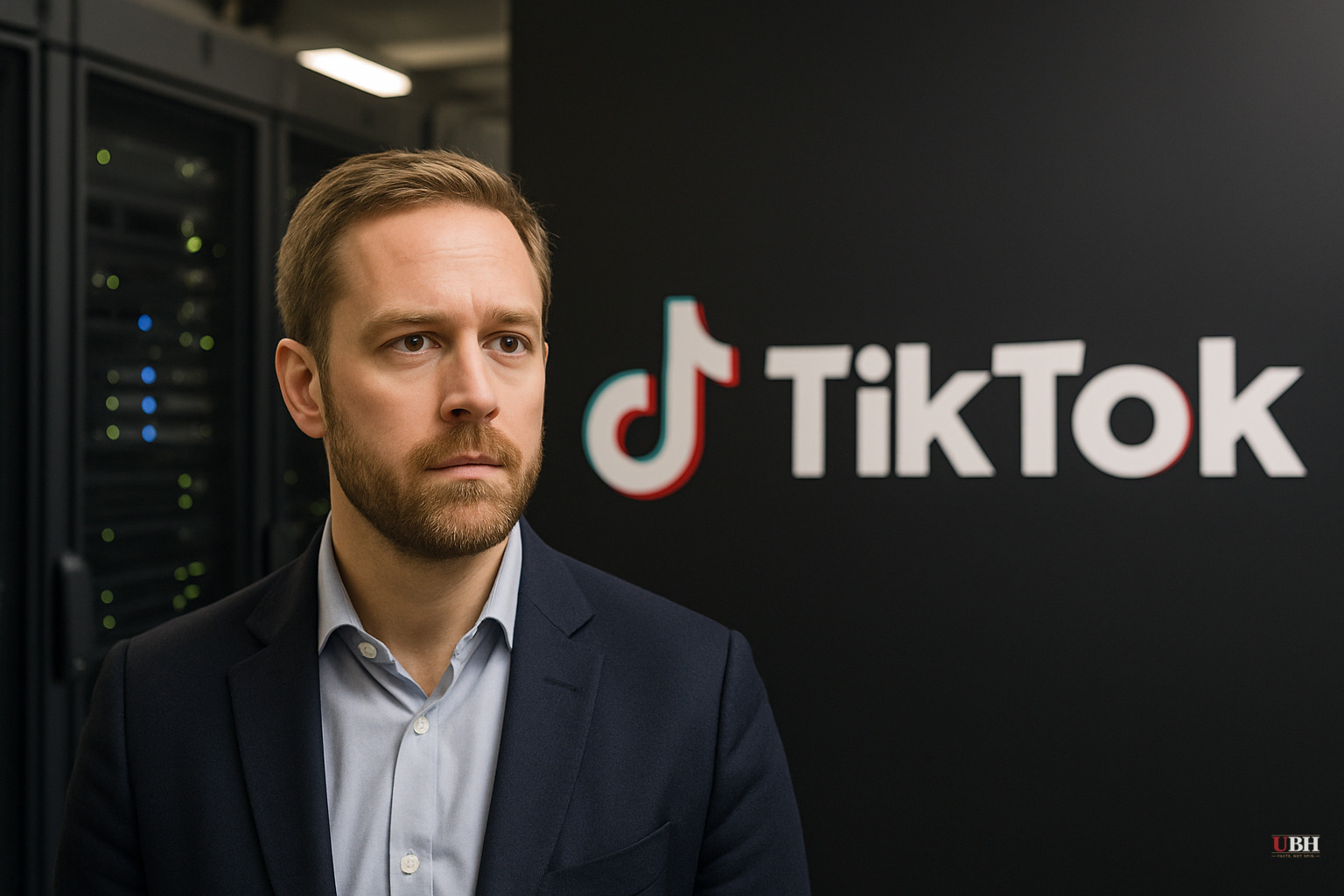
Since EU Commission President Ursula von der Leyen confirmed Monday that Brussels will push legislation restricting children's social media use, TikTok has moved to get ahead of the fight with its own defense.
Ali Law, TikTok's director of public policy and government affairs in Northern Europe, told CNBC's Karen Tso and Steve Sedgewick on "Squawk Box Europe" Tuesday that the platform was built "safety by design." He said the company has more than 50 preset safety settings for users under 16, including a one-hour default screen time limit and a 10 p.m. notification urging teens to log off.
"We're really conscious of the concerns that both parents and policymakers have in this area," Law said. "We want people to have a healthy and safe relationship with the app because of the amount of benefits that people can get when they're using it."
There's a catch buried in that pitch. Law told CNBC that while some of these measures show up as warnings, younger users can simply opt to continue using the platform anyway. A screen-time nudge that a 14-year-old can tap through isn't a hard limit. It's a suggestion.
TikTok also restricts direct messaging and TikTok Shop selling for anyone under 16, and Law said the company spent $2 billion on trust and safety last year. That's a real number and a real investment. Whether it moves the needle on how many hours a 13-year-old actually spends scrolling is a separate question TikTok didn't answer with data in this interview.
Von der Leyen's Actual Position
Von der Leyen didn't mince words Monday. "We in Europe believe that parents bring up our kids, and not predatory algorithms," she said. "Social media is not a toy. While ultimately it is up to parents to decide when children get their first smartphones, what we already have is a consensus that there needs to be a start date for the age children can join social media."
That's a notably conservative framing for an EU official, and it lines up with what parents across the political spectrum have been saying for years: platforms built on engagement metrics have an incentive structure that doesn't automatically align with a 12-year-old's wellbeing. Von der Leyen has previously said the EU will act specifically against "TikTok and its addictive design," naming infinite scrolling, autoplay, and push notifications as the targets.
That EU push follows the child safety panel's recommendations, and it puts Brussels in the same lane as Australia, which became the first country to legally enforce a social media age ban in December, along with the U.K., France, Greece, and Spain, all of which have announced their own restrictions.
The Fair Question From TikTok's Side
TikTok and other platforms can reasonably argue that hard age bans are easy to state and hard to enforce. Kids lie about their birthdate. VPNs exist. A 15-year-old determined to get on Instagram or TikTok will find a way, ban or no ban, unless verification gets invasive enough to raise its own privacy concerns for adults using the same platform. Companies like TikTok would argue that granular, in-app defaults, screen-time limits, no DMs for minors, and default privacy settings are a more realistic layer of protection than a headline age cutoff that pushes noncompliant kids toward less-regulated corners of the internet.
Age verification technology remains imperfect, and any government mandate will have to reckon with how it's actually enforced, not just legislated.
But it doesn't answer the core complaint driving von der Leyen and parents on both sides of the Atlantic: platforms make money when users, including teenage users, stay on longer. A default that a kid can dismiss with one tap doesn't change that incentive. It just gives the company a defense to point to when regulators come knocking.
What's Unresolved
TikTok's settlement earlier this year in a high-profile case alleging that platforms including Instagram and YouTube harmed young people's mental health signals the legal exposure is already real, separate from whatever Brussels decides.
The EU hasn't yet published draft legislative text or a specific age threshold. Von der Leyen has signaled a "start date" consensus exists among member states, but the exact number, the enforcement mechanism, and the timeline for a formal proposal remain undecided as of this week. That's the next thing to watch: whether Brussels lands on a hard number like Australia's under-16 ban, or a softer parental-consent model that companies like TikTok would find easier to live with.
Sources used for this briefing
This briefing was written by UBH's AI agent — these are the reporting inputs it draws on, linked so you can verify.


