
Unbiased headlines. Facts, not spin.
Unbiased Headlines is an independently owned news organization. We bring you the facts, not opinions, written fresh from 110+ named sources. Sources linked so you can verify it yourself.
 politics
Major Story (8/10)
politics
Major Story (8/10)
Three Weeks Before Midterms, Trump Faces Staff Shake-Ups, Election-Rule Fights and an Unpopular Iran War
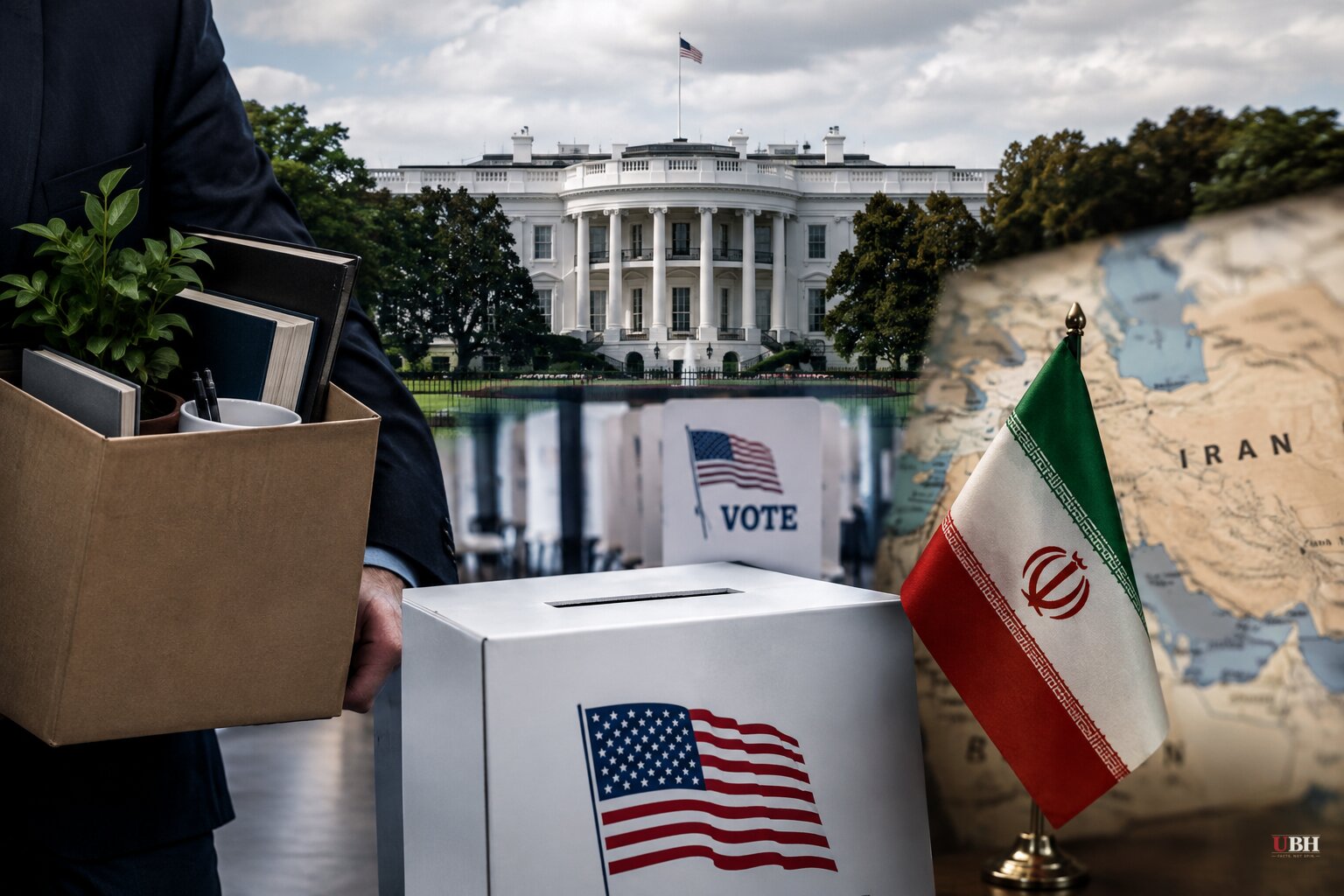
Republicans are defending thin congressional majorities in an environment that has turned against them. Trump's approval is sliding, inflation and gas prices persist, and the Iran war is unpopular. Several races that looked safe a year ago are now competitive.
On top of that, the administration's own bench keeps changing.
Personnel turmoil
Kristi Noem, Paolo Zampolli and Kimberly Guilfoyle have all left their posts in recent days. Politico reported that Zampolli, a longtime Trump associate and Italian-born businessman, was ousted as special envoy for global partnerships. New press secretary Katie Zacharia is also facing questions about her legal career.
Politico also reported this week that Trump has discussed the role of chief of staff Susie Wiles, and possible successors, with advisers. Trump denies it. In a statement he said Wiles "is my loyal and longest serving Chief of Staff" and has his "COMPLETE confidence." White House spokesperson Danielle Alvarez said the anonymous sources "know nothing."
Northeastern University political scientist Costas Panagopoulos said the string of exits "calls into question Trump's judgment in hiring them in the first place" and creates "a sense of chaos that may not sit well with voters who expect competence and stability."
Personnel churn is not a crime. It does cost an administration focus when it can least afford to lose it.
Federal power and the vote
Election officials and lawyers have spent months preparing for scenarios once considered unthinkable. A Reuters special report published Oct. 14, based on interviews with more than 50 election officials, voting experts and election lawyers, mapped nine ways federal power could disrupt the election before or after polls close.
Trump has not helped calm nerves. Asked by Time in an interview published Oct. 1 whether he would rule out a state of emergency before the vote, he said: "I don't rule anything out or in." He then raised the Insurrection Act on his own. "No, I've never used it. I could use it. A lot of people think I should use it sometimes."
Some Trump allies have urged an emergency declaration over alleged fraud or foreign interference. They argue it could justify deeper federal involvement in the count, including hand-counting. Legal experts told Reuters that such a declaration would not give the president constitutional authority over election administration, which belongs largely to the states. An attempt could still bring confusion, litigation and delayed certification.
The Justice Department says it will deploy 1,000 federal election monitors. Assistant Attorney General Harmeet Dhillon has called it the department's biggest observer effort to date. Reuters reported the figure is nearly double the 590 monitors sent in 2024.
Monitoring has already produced friction. During the August primary in Wyoming, monitors sought to interview voters and inspect equipment in Laramie County. County clerk Debra Lee refused. Republican Gov. Mark Gordon objected to the monitors' requests.
Homeland Security Secretary Markwayne Mullin declined to rule out immigration agents at polling places. They could deploy, he said, "if there is a threat to that polling place or we're serving a warrant."
The left-leaning advocacy group Democracy Forward says records it obtained show the administration has amassed roughly 100 million records, at least 50 million of them voter records, for federal investigations. It also says officials designated "priority" states and scrutinized hundreds of civic-engagement nonprofits. The group calls this an effort built on Trump's "baseless conspiracy theories" about fraud. The administration has not been shown in these documents to have found widespread fraud. Democracy Forward itself concedes the efforts have so far met resistance from states, courts and election officials and have not succeeded.
A Washington Post opinion column reaches a similar conclusion, arguing Trump has failed in nearly every phase of his push to rewrite midterm rules, thanks to legal resistance.
Iran and Canada
The war with Iran is the other drag. Multiple U.S. officials told CNN the military has developed new strike plans that could include the GBU-43/B Massive Ordnance Air Blast bomb, the largest non-nuclear weapon in the U.S. arsenal, against Iranian energy infrastructure and nuclear sites. The plans would apply if Trump orders combat to resume before or after the election.
The officials said there are doubts the bomb would help achieve Trump's stated goals. Several advisers told CNN they do not know whether Trump's public pledge to take no new action before the midterms is firm.
Trump addressed the weapon on Newsmax on Thursday, Oct. 15. "It's not nuclear at all, this is just an extremely large bomb," he said. "I wouldn't use nuclear, we don't have to." CNN reports more than six months of U.S. bombing with little sign of a negotiated end.
On the diplomatic front, U.S. Ambassador to Canada Pete Hoekstra said on a podcast that American officials are watching Canadian politicians for election interference. He pointed to Ontario's World Series ad last year, which Trump cited when he ended trade talks in October 2025. He also cited comments from Industry Minister Mélanie Joly about targeting retaliatory tariffs at politically sensitive states, and criticism of the administration from former prime minister Justin Trudeau. Hoekstra said the U.S. will respond if any Canadian action amounts to interference.
Joly said Wednesday, Oct. 14, that Canada "would never engage in election interference." She said she has met with both Democrats and Republicans in the U.S. and is focused on attracting investment.
At a rally in Bullhead City, Arizona, the same day, Trump again attacked Canada over dairy trade and repeated his claim that it will end up the 51st state.
What comes next
Election Day is Nov. 3. It is unclear whether the monitors, the agents and the emergency talk will stay rhetoric or turn into action at specific polling places. Officials like Debra Lee in Laramie County have shown they will contest federal requests they consider overreach. The courts would likely settle any dispute over certification.
Sources used for this briefing
7 links from 7 independent newsrooms (syndicated copies of the same report count once)
These are the sources it draws on, linked so you can verify.


