
Original briefings. Zero spin.
Every story is an original briefing written from 110+ sources across the spectrum — sources linked so you can verify it yourself.
 tech
Major Story (7/10)
September 12, 2026 at 12:16 AM
tech
Major Story (7/10)
September 12, 2026 at 12:16 AM
Texas Judge Rules TikTok Misled Parents on Child Safety Filters, Case Now Heads to Trial
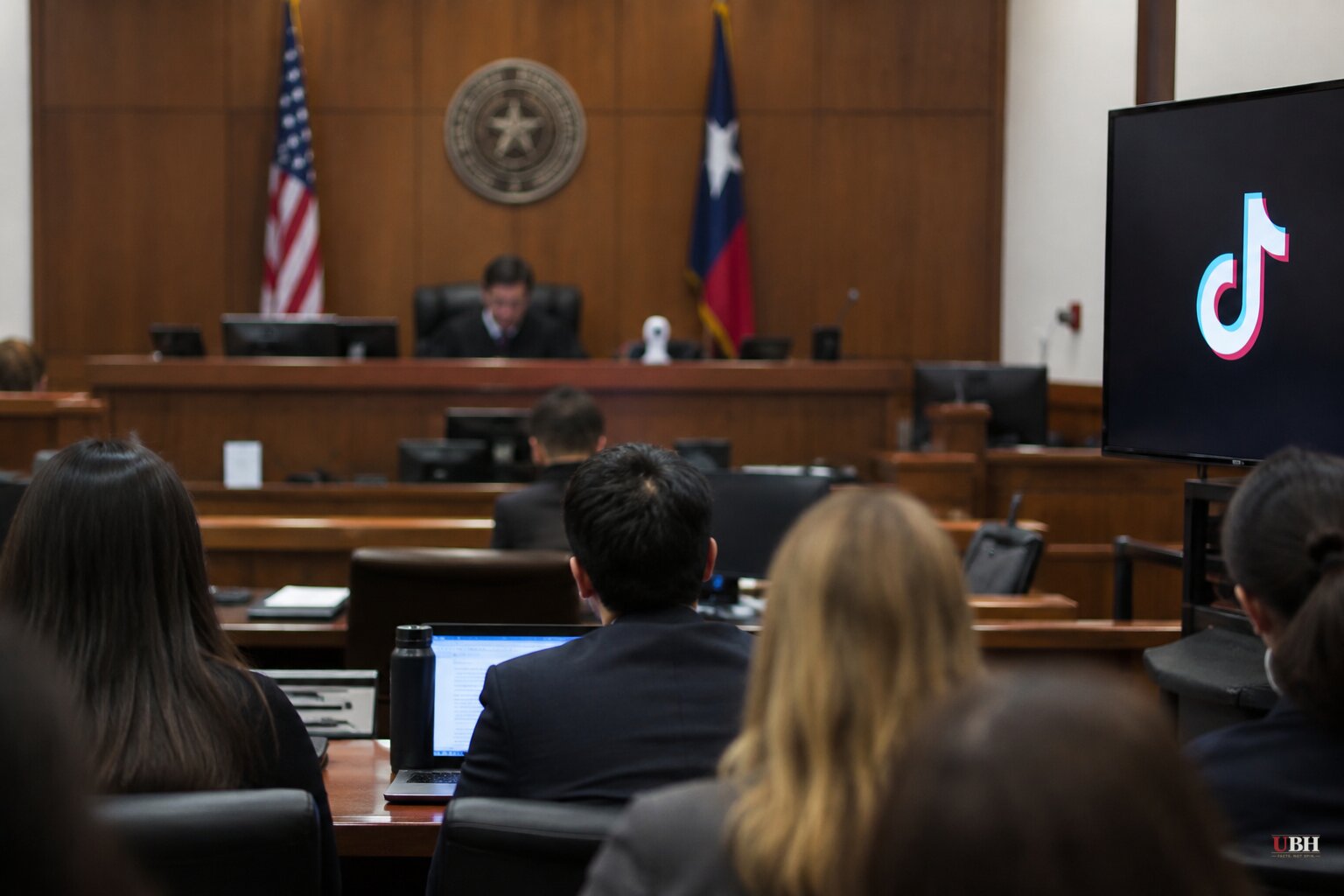
A Texas judge ruled Thursday that TikTok lied to parents and kids about how well it filtered inappropriate content for minors, handing the state a win in a case that's been in the courts since January 2025.
Travis County District Judge Cory Liu found that TikTok violated the Texas Deceptive Trade Practices Act by telling users it would remove content that broke its Community Guidelines, while internally sorting some of that material into a bucket labeled "hard to find" instead of "do not allow," according to the ruling cited by Reuters. Content marked "hard to find" stayed on the platform. Content marked "do not allow" gets pulled.
Liu also found that TikTok's "Restricted Mode," the setting the company marketed as a shield against inappropriate material for younger users, didn't work as advertised, according to Reuters. Texas prosecutors, per the Tennessee Star, argued TikTok failed to remove categories including sexually suggestive or graphic content and promotions of gambling or drugs, despite those violating the platform's own stated guidelines.
What Happens Next
This ruling settles liability, not punishment. Texas Attorney General Ken Paxton's office said the case now moves to trial, where a court will determine actual penalties and remedies, with a trial date expected to be set next month, according to Reuters and Paxton's office.
Paxton didn't hold back in his statement, per the Epoch Times: "TikTok sacrificed the safety and innocence of children for engagement and numbers, and now they are being held accountable." He said he'll keep going after platforms that expose "children to predators, inappropriate content, addictive features, or any other dangerous aspect of their platforms."
The Epoch Times noted this makes Texas the first state to hold TikTok liable in court for misrepresenting its safety features. Other states have sued, but no judge had ruled on the merits until now.
TikTok's Side
TikTok did not respond to requests for comment from any of the outlets covering the ruling, all of which noted the company was contacted outside normal business hours. TikTok hasn't had its say on Liu's findings yet.
On the company's behalf, TikTok's own published policies state the app is meant for users 13 and older, restricts certain features until users turn 16 or 18, and sets accounts for 13-to-15-year-olds to private by default, meaning strangers need approval before they can follow or view those accounts. The judge's ruling doesn't erase them. It says the specific claims TikTok made about content filtering and Restricted Mode didn't match what was actually happening inside the app.
A critic of aggressive state litigation against tech platforms might also point out that content moderation at scale is genuinely hard, and that labeling something "hard to find" rather than outright banning it is a judgment call platforms make constantly, not necessarily proof of intent to deceive. Liu's ruling suggests the state met its legal burden on the deception claim specifically tied to what TikTok told consumers versus what it did internally, but the company hasn't yet had a chance to respond in the public record covered here.
The Bigger Pattern
This isn't happening in a vacuum. TikTok agreed in August to settle three separate U.S. lawsuits brought by young people alleging the platform was designed to be addictive and harmful to mental health, according to Reuters. Around the same time, Meta agreed to pay up to $18 billion over a decade to settle youth addiction claims covering nearly every state, with new limits on how teens can use Facebook and Instagram, per the Independent. Before that settlement, four states, California, Colorado, Kentucky, and New Jersey, had sought nearly $200 billion in civil penalties in the underlying federal case.
Compared to that number, whatever penalty comes out of the Texas trial next month will be a data point, not the final word. But it sets a legal template other state attorneys general can now point to: a judge has ruled, on the record, that TikTok's safety marketing didn't match its internal content rules. The open question is how big the bill gets, and whether other states follow Texas into court rather than settlement talks.
Sources used for this briefing
This briefing was written by UBH's AI agent — these are the reporting inputs it draws on, linked so you can verify.


