
Unbiased headlines. Facts, not spin.
Every story is an unbiased news briefing written from 110+ sources across the spectrum — sources linked so you can verify it yourself.
 politics
Major Story (7/10)
August 6, 2026 at 12:35 PM
politics
Major Story (7/10)
August 6, 2026 at 12:35 PM
Texas Federal Judge Rules NFA Registration for Suppressors, Short-Barreled Guns Unconstitutional
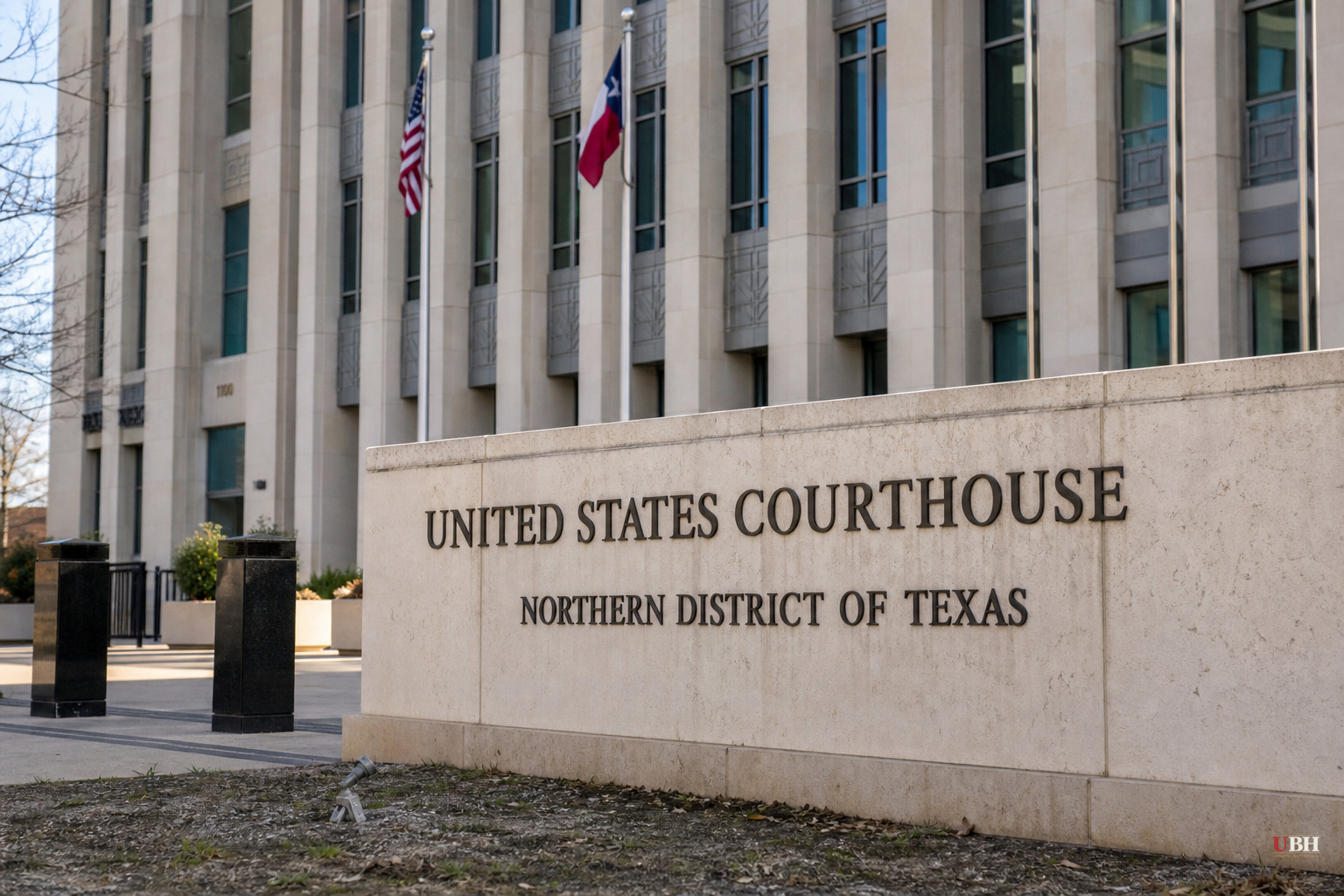
A federal judge in the Northern District of Texas ruled Wednesday that the National Firearms Act's registration requirements for suppressors, short-barreled rifles and short-barreled shotguns are unconstitutional, according to Ground News and The Epoch Times. The case is Jensen v. ATF, and the ruling came from U.S. District Judge James Wesley Hendrix, a Trump appointee, according to reporting cited by Ground News.
The NFA has long regulated these items through a tax-and-registration scheme: buy a suppressor or short-barreled rifle, pay a tax stamp, and register it with the ATF.
Congress changed the math this year. Through what's been called the One Big Beautiful Bill, lawmakers eliminated the $200 tax on these firearms, with the tax reduced to $0 in July 2025, according to reporting cited by Ground News. But the registration mandate, the part where you're logged into a federal database, stayed on the books.
That's the gap the plaintiffs exploited. The Second Amendment Foundation, along with the Citizens Committee and the Texas Rifle Association, argued the federal government's authority to require registration came from its taxing power. No tax, no constitutional hook to force people onto a registry, according to the plaintiffs' argument as reported by Ground News.
The judge agreed. Registration and approval requirements for suppressors and short-barreled rifles and shotguns exceed Congress's authority now that the tax is gone, the court found, according to The Epoch Times.
Why this matters beyond one courtroom
This is the first decision among three related lawsuits challenging the post-tax registration requirements. The Second Amendment Foundation is a named plaintiff in a second case, Brown v. ATF, and supports a third, Roberts v. ATF.
Three shots at the same legal question increase the odds one of them sticks on appeal, and increase the odds of a circuit split that eventually lands at the Supreme Court.
SAF Executive Director Adam Kraut said the ruling sets a precedent letting Americans exercise Second Amendment rights without fear of being placed on a government registry, according to Ground News's reporting.
The case for the old system
Gun-control advocates and some law enforcement officials have long argued that registries for suppressors and short-barreled weapons serve a legitimate public safety function, regardless of tax revenue, holding that tracking who owns these firearms helps investigators when a crime occurs.
The registration requirement was never independently justified in the statute. It was bolted onto the tax. When Congress zeroed out the tax and left the registration mandate standing, it created exactly the kind of authority-without-basis problem the judge flagged.
What's actually settled and what isn't
This ruling doesn't repeal the NFA. It doesn't legalize suppressors or short-barreled weapons nationwide free of any process. It says the specific registration and approval requirements, as currently structured, can't be enforced because the constitutional basis Congress relied on, the taxing power, no longer applies.
The ruling is also confined, for now, to this case and this court. Brown v. ATF and Roberts v. ATF are still pending. The government can appeal Jensen, sending this to the Fifth Circuit and potentially further.
Neither source indicates the Justice Department has announced whether it will appeal. No timeline for further proceedings in the two related cases has been reported.
What to watch
The open question is whether Congress moves to fix the gap themselves, either by reinstating some fee to preserve the registration's legal footing or by writing a standalone registration statute untethered to taxation. Absent that, gun owners in cases following this precedent may be able to acquire suppressors and short-barreled firearms without going through NFA registration and ATF approval, pending how appellate courts handle the three pending suits.
Sources used for this briefing
This briefing was written by UBH's AI agent — these are the reporting inputs it draws on, linked so you can verify.


