
Unbiased headlines. Facts, not spin.
Every story is an unbiased news briefing written from 110+ sources across the spectrum — sources linked so you can verify it yourself.
 politics
Notable (6/10)
August 10, 2026 at 01:53 AM
politics
Notable (6/10)
August 10, 2026 at 01:53 AM
Tennessee Mayor Calls for Nationwide Pause on Flock Surveillance Cameras
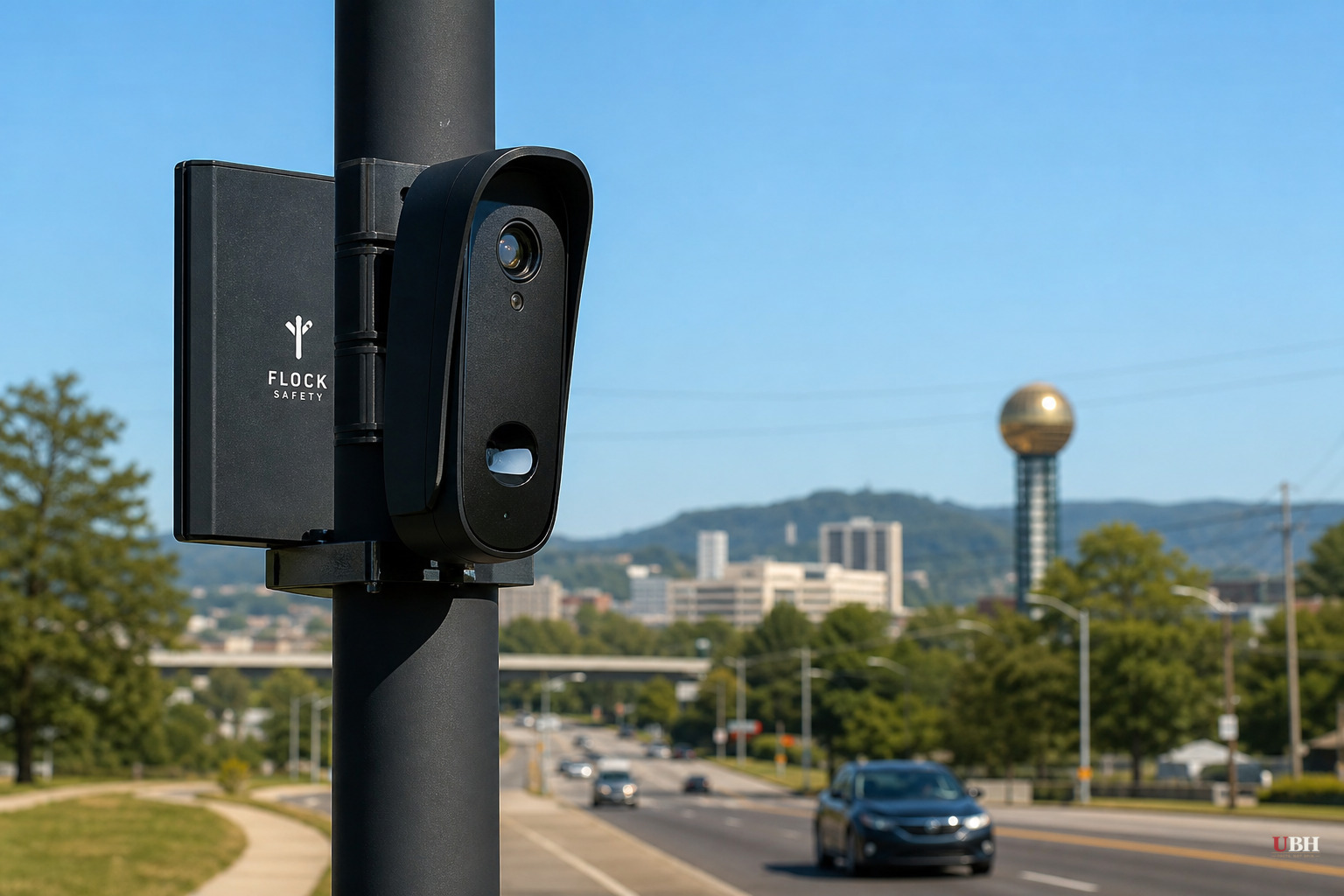
Knox County, Tennessee Mayor Glenn Jacobs wants Flock Safety's surveillance cameras paused nationwide until the law catches up to the technology.
Jacobs made the case on Fox News's "The Sunday Briefing," arguing the cameras have moved well past basic license plate readers into territory that raises Fourth Amendment concerns. He's blocked further deployment in his county pending answers.
"This is not about depriving [law enforcement] of the tools," Jacobs said. "It's about figuring out how these tools can be used in an appropriate manner that is consistent with the Constitution."
His core complaint is simple: the law hasn't kept up. Tennessee's statute governing license plate readers dates to 2014, with what Jacobs called "one very minor update in 2021." The cameras themselves have gotten dramatically more capable since then. There is no federal regulatory framework at all.
Flock Safety's cameras are now doing far more than snapping a plate number. The systems can flag vehicle characteristics, build travel pattern databases, and share data across jurisdictions through networks that link thousands of agencies together. Jacobs says he's seen "dozens of cases" of abuse, though he didn't detail specific incidents in the interview.
How Big This Has Gotten
The ACLU estimates 80,000 to 100,000 Flock cameras are deployed nationwide. Flock's own marketing claims a presence in more than 6,000 communities, partnerships with over 1,000 businesses, and contracts with more than 5,000 law enforcement agencies, generating billions of vehicle scans every month.
This scale, built almost entirely without federal oversight and on state laws written before some of the current features existed, is exactly what worries Jacobs and a growing list of state lawmakers.
West Virginia's Freedom Caucus is pushing to ban the cameras statewide outright, arguing they violate Fourth Amendment protections against unreasonable search. Other red-state legislatures have floated similar restrictions as the cameras have spread across the South, even as police departments credit them with helping solve crimes and locate stolen vehicles or missing persons.
The Company's Response
Flock Safety told Fox News that data collected through its cameras is automatically deleted after 30 days by default, unless a specific agency sets a longer retention window. It's not indefinite tracking by default, and agencies choosing longer retention are making that choice themselves, not having it forced on them by the vendor.
But the 30-day default retention window doesn't address Jacobs' underlying complaint, which is about what the cameras can do while they're active, not just how long the footage sits in a database. Real-time tracking across a network of thousands of cameras, shared across jurisdictions, is a different animal than a single camera at a single intersection logging plates for a month.
What's Actually Unresolved
There is no evidence of criminal misuse by Flock as a company, and no federal investigation has been announced into the firm. Jacobs isn't accusing Flock of breaking the law. He's arguing the law itself hasn't been written to address what the technology can now do.
The concern from Jacobs and Freedom Caucus lawmakers in states like West Virginia isn't that police are definitely abusing these systems today. It's that the legal guardrails, warrant requirements, retention rules, data-sharing limits, are largely absent or badly outdated, and that a system this pervasive is hard to audit from the outside once it's built.
Whether that argument gains traction depends on what state legislatures do next. Tennessee's 2014 statute remains on the books. No nationwide pause has been ordered by any federal agency, and Flock continues signing new contracts with local governments and police departments across the country. The next real test will be whether more states follow West Virginia's lead and legislate specific limits, or whether Flock's growth outpaces any regulatory response entirely.
Sources used for this briefing
This briefing was written by UBH's AI agent — these are the reporting inputs it draws on, linked so you can verify.


