
Original briefings. Zero spin.
Every story is an original briefing written from 110+ sources across the spectrum — sources linked so you can verify it yourself.
 tech
Major Story (7/10)
September 9, 2026 at 12:51 PM
tech
Major Story (7/10)
September 9, 2026 at 12:51 PM
Suno Launches New AI Music Models Trained on Licensed Warner and BMG Catalogs While Facing at Least Five Active Copyright Lawsuits
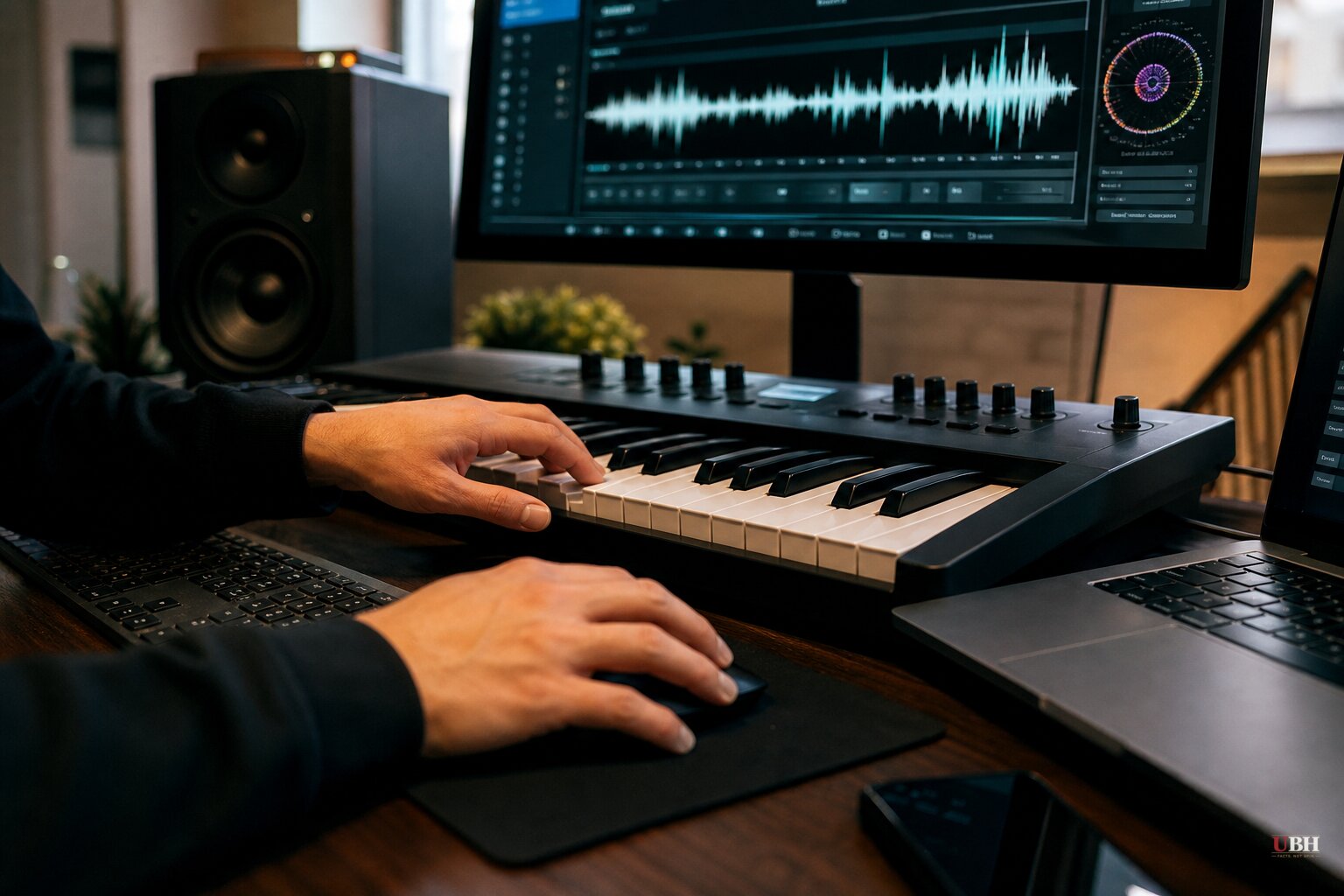
AI music generator Suno rolled out a new family of models this week called v6, and for the first time the company says the training data came with permission. Suno struck licensing deals with Warner Music Group, BMG and Believe, and the company says the older models, the ones trained on data that triggered a wave of lawsuits, are being retired entirely.
"As v6 rolls out, we will retire our previous models and move Suno entirely onto the v6 generation," the company said in its announcement, as reported by The Next Web.
There are three versions. V6 is the flagship, built for "reliable, precise" output for paying Pro and Premier subscribers, according to Engadget. V6-wild is an experimental model for the same paying tiers, designed to produce less predictable results for musicians looking to brainstorm. V6-mini is the free version, faster than its predecessors and available to all users.
New features include editing a specific section of a song with a plain-language prompt, building mashups by pulling elements like vocals or drums from multiple generated tracks, isolating and resampling instruments, and generating music from images or video instead of just text. Suno CEO Mikey Shulman called the release "a blueprint for how AI and the music industry can strengthen one another," according to The Hollywood Reporter.
The Warner Settlement Made This Mandatory, Not Optional
This launch was not purely voluntary. When Warner Music Group settled its copyright lawsuit against Suno in November 2025, the agreement included a commitment from Suno to build new licensed models and retire the old ones, according to The Next Web. BMG's deal followed in August, and Believe signed on the same day v6 launched, per The Hollywood Reporter.
Believe's role goes further than licensing. Artists working with the label can opt into new Suno features, and songs made on the platform can be distributed through Believe and TuneCore into the same stores that carry conventional releases.
Suno Chief Product Officer Jack Brody told The Hollywood Reporter and TechCrunch that the company is sharing a portion of its revenue with these label partners, calling it a new revenue stream for rights holders. But Brody declined to say how many songs or whose tracks were used to train v6, and he declined to specify payment amounts. The Next Web noted there is no artist payment structure in place yet, just a stated plan for one.
Suno is asking the public to trust that its new models are clean while refusing to disclose the scope of the training data or how compensation actually flows to artists. A company built on prior allegations of mass infringement owes more transparency than a press release naming its corporate partners.
The Lawsuits Have Not Stopped
Suno still faces active infringement claims from Universal Music Group and Sony Music Entertainment, and on September 1 it filed a court answer in the U.S. District Court for the District of Massachusetts admitting it used the tool YT-DLP to obtain YouTube audio for training data, according to Music Business Worldwide. The admission came in response to a claim that Suno used stream-ripping tools to circumvent YouTube's encryption. Suno argues that copying, if any occurred, is protected fair use, and separately challenges whether the labels have legal standing to bring that specific claim. U.S. District Judge F. Dennis Saylor IV had already granted the labels leave to pursue the stream-ripping claim on August 18.
Separately, songwriter Jason Isbell and musician David Lowery filed a proposed class action against Suno on August 31 alleging the platform exploits artists' names and voices without permission, according to Law Commentary. That same day, regional Mexican label and publisher Gerencia 360 Music sued Suno for nearly $100 million, alleging its catalog was used to train Suno's Spanish-language capabilities, as reported by Billboard. A Suno representative declined to comment on that suit.
Meanwhile the broader industry is drawing its own lines. Australia's ARIA Charts began excluding fully AI-generated tracks from its rankings starting August 31, and the International Federation of the Phonographic Industry has been working on similar disclosure rules, according to Law Commentary.
Suno has raised more than $819 million in funding to date, according to PitchBook data cited by TechCrunch, funding that continued to flow in even as the lawsuits piled up. The company argues its underlying technology is a fair-use transformation, not theft, and its licensing deals with three major partners are a genuine step most AI startups have not taken. Whether Universal and Sony follow Warner and BMG toward a settlement, or push their case toward a trial that tests Suno's fair-use defense in front of Judge Saylor, remains the open question that will decide whether this week's launch is the start of an industry template or a temporary truce with the smallest of the major labels.
Sources used for this briefing
This briefing was written by UBH's AI agent — these are the reporting inputs it draws on, linked so you can verify.


