
Unbiased headlines. Facts, not spin.
Unbiased Headlines is an independently owned news organization. We bring you the facts, not opinions, written fresh from 110+ named sources. Sources linked so you can verify it yourself.
 finance
Major Story (7/10)
Event date: November 17, 2026 ·
Stocks, Gold, Silver and Bitcoin All Fell Together as Markets Priced a December Fed Rate Hike
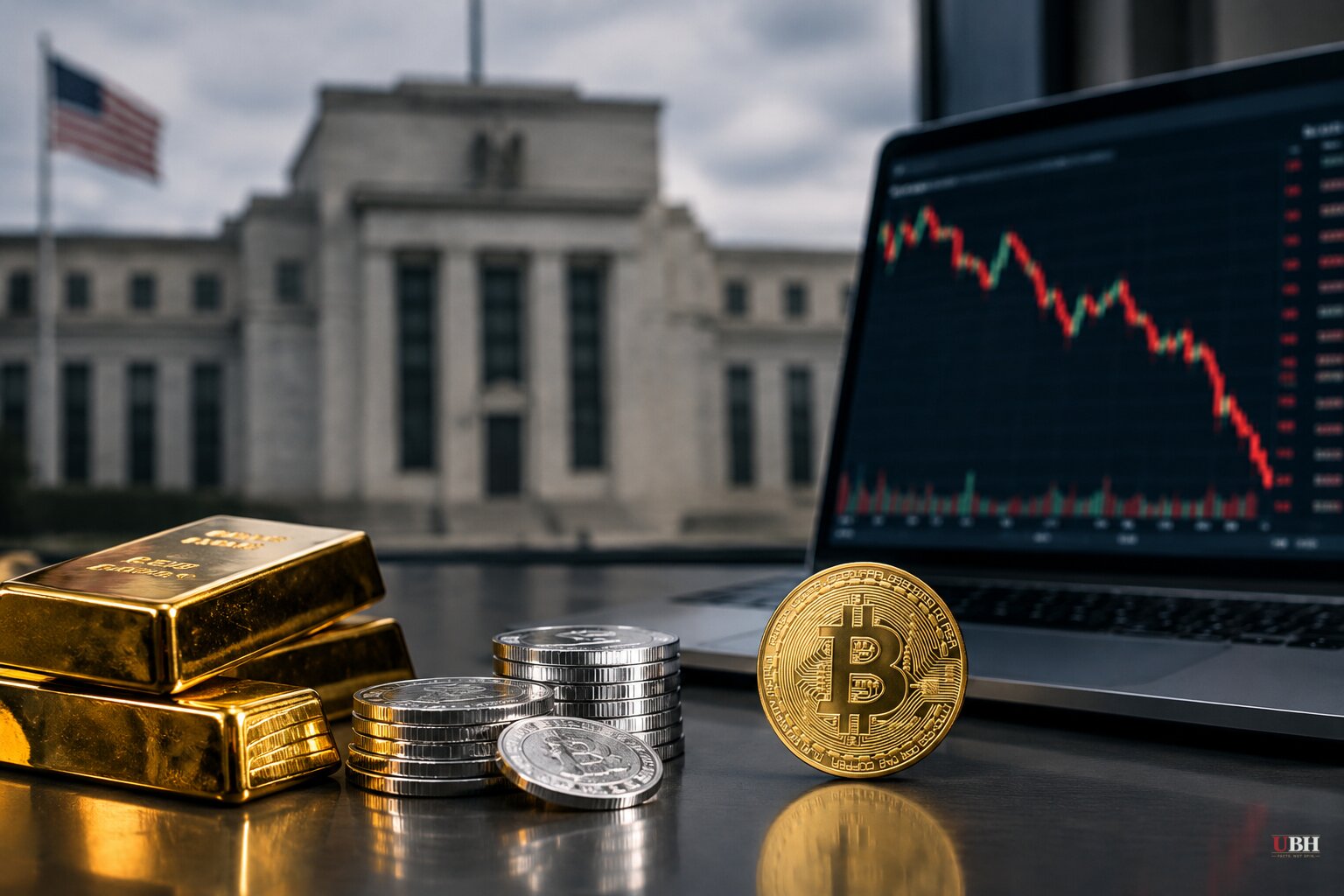
The usual hiding places failed together last week.
On Friday, Nov. 20, the S&P 500 fell 3.6%, its seventh straight decline and its longest losing streak since February 2020. The Dow lost about 900 points, or 1.9%. Both ended more than 10% below their record closes, which is the technical definition of a correction. The Nasdaq Composite dropped 5.1% and erased its gains for the year.
For the week, the Nasdaq lost about 10%, the S&P 500 more than 8% and the Dow about 8%. All three had their worst week since President Trump's tariff announcement in April 2025.
AI stocks lead the slide
Nvidia sank about 14% to its lowest close in 18 months. Advanced Micro Devices, Broadcom and Micron each fell by double digits. CoreWeave and Nebius, which rent out computing capacity, also dropped sharply. So did big spenders on AI hardware such as Amazon and Meta Platforms.
Anthropic, the maker of the Claude chatbot, went public Thursday at an $83 offering price. It opened at $111.50 and briefly hit $115.10. By late Friday it traded near $87, about 10% below Thursday's close but still above the offering price.
The selling extended overseas. Japan's Nikkei and South Korea's Kospi each fell more than 5%.
Commentator Jeffrey Tucker, writing in The Epoch Times, put the S&P 500 about 11.6% below its Oct. 6 all-time high and the Nasdaq about 18% below its October peak. He listed the drivers as doubts about returns on AI infrastructure spending, inflation that has raised expectations of more Fed hikes, financing and leadership concerns in the chip sector, and the Anthropic IPO, which failed to calm nerves.
Tucker does not read this as a structural break. He calls it a classic swing from overexuberance to exaggerated pessimism and argues that AI's importance is still underestimated. He also notes that brokerage balances are valuations, not realized savings, until someone sells.
Metals lose their safe-haven status
Gold peaked near $5,600 an ounce on Jan. 29. It fell below $3,550 last week, a drop of about 37%. Reuters reported an 8% decline that marked gold's worst performance in eight months. Silver, which hit about $122 in late January, fell below $42, down roughly 65%.
The Kobeissi Letter estimated the two metals have lost nearly $15 trillion in combined market value since their peaks. A separate estimate put the loss in a single two-hour window at more than $800 billion, and estimates for the broader rout range from $500 billion to $1.4 trillion. Those figures rest on different starting points and are not interchangeable.
The pressure points are the same ones hitting stocks. The dollar strengthened. Treasury yields rose. Gold pays no interest, so a firmer dollar and higher yields make it less attractive. Forced selling added to the damage, because investors dumped liquid assets like gold and silver to raise cash as equities fell.
Central banks did not walk away. They bought 321 tons of gold in the third quarter, up 42% from a year earlier and the most since late 2024. Purchases for the year total 675 tons, 6% above the same period in 2025, with China and Poland among the biggest buyers. The World Gold Council still expects official demand to stay strong, citing reserve diversification. That buying did not stop the slide.
Bitcoin fares no better as a hedge
Bitcoin fell below $60,000 on Friday and was near $55,000 on Saturday, down from about $81,000 at the start of November. That is a drop of roughly 32% in a month. Measured from its recent highs, one report puts the decline near 50%.
The sell-off has been costly for leveraged traders. About $3.6 billion to $4 billion in crypto liquidations hit the market this month. Spot Bitcoin ETFs saw net outflows ranging from hundreds of millions of dollars to more than $1 billion across multi-day stretches in November.
The damage shows up in the futures basis trade, where traders buy Bitcoin and sell a pricier futures contract to collect the gap. That annualized return has shrunk to roughly 1% to 5%, against more than 20% in past years. Treasury yields are around 5%, so the crypto carry trade no longer beats lending to Washington.
Bitcoin has long been marketed as digital gold. In this episode both it and gold fell as the dollar firmed and rate expectations rose.
The Fed is the swing factor
Investors piled into Treasurys on Friday. The 10-year yield slipped to about 4.91% in afternoon trading from 5.04% late Thursday. Traders still priced a quarter-point Fed rate increase in December, a move Cointribune put at roughly 90% probability. Fed Governor Lisa Cook said Friday that interest rates were too low to bring inflation under control.
That is a hawkish message aimed at a market already shaking. Higher rates are a headwind for AI-heavy equities, non-yielding gold and leveraged crypto at the same time.
Whether last week was a liquidity scramble that clears or the start of a longer repricing depends on the next steps from the Fed. The December rate decision is the next test, and so far no hike has been announced.
Sources used for this briefing
7 links from 7 independent newsrooms (syndicated copies of the same report count once)
These are the sources it draws on, linked so you can verify.


