
Unbiased headlines. Facts, not spin.
Every story is an unbiased news briefing written from 110+ sources across the spectrum — sources linked so you can verify it yourself.
 tech
Low Interest (4/10)
July 6, 2026 at 02:53 PM
tech
Low Interest (4/10)
July 6, 2026 at 02:53 PM
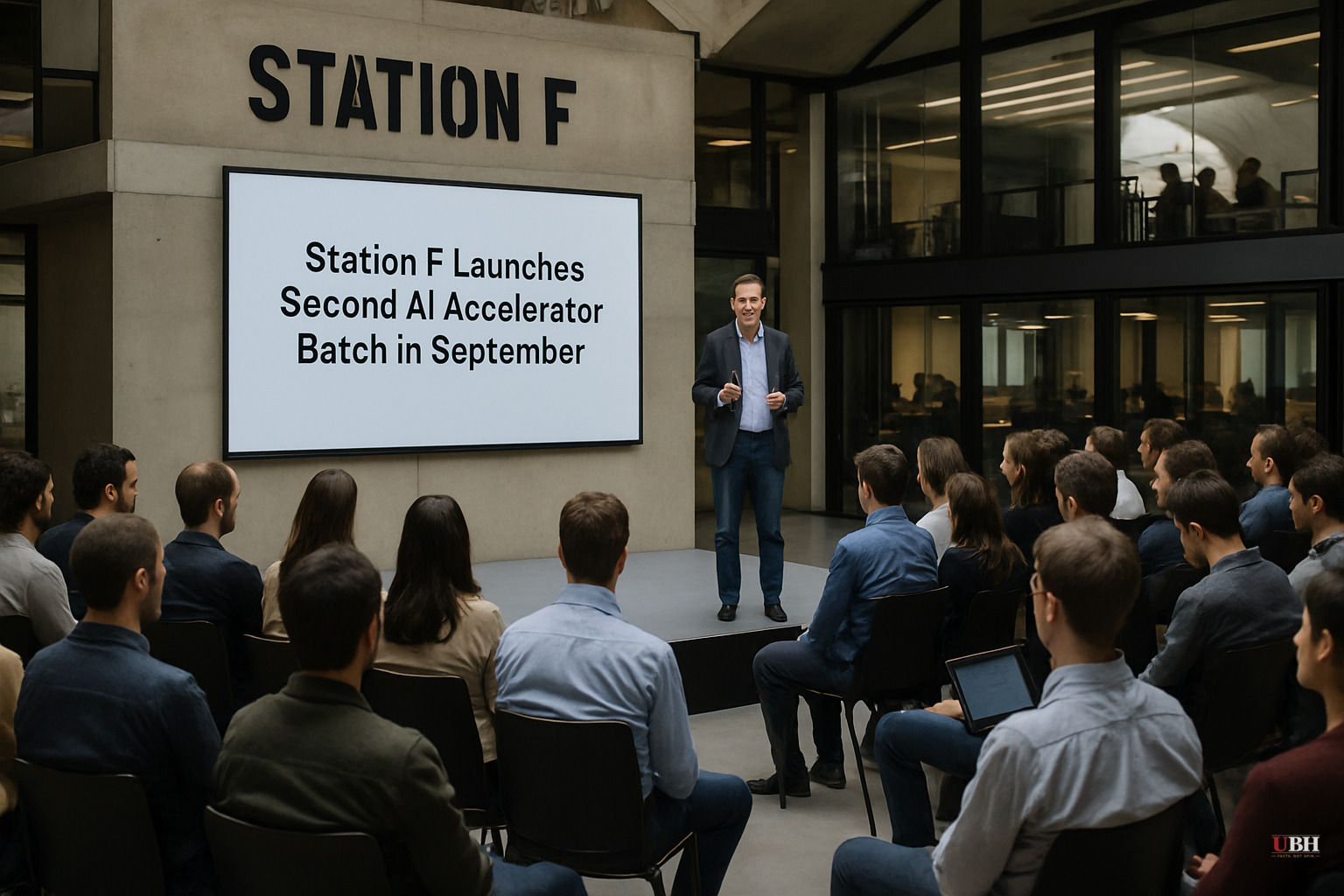
Station F Launches Second AI Accelerator Batch in September, First Cohort Raised $34 Million
Paris Wants a Seat at the AI Table
Station F, the 538,000-square-foot startup campus in Paris founded by French billionaire Xavier Niel, is preparing to launch the second edition of its F/ai accelerator program in September 2026. The program, which started in January 2026, is designed to move a small number of AI-focused startups from early product to paying customers in a matter of weeks, according to TechCrunch.
The first cohort's numbers are significant. Twenty AI startups collectively raised $34 million in pre-seed funding, according to Station F. Eighty percent were founded by repeat entrepreneurs, a third of whom hold PhDs. Two teams earned notable competition wins: Alpic won the global grand finale of The Pitch, a competition organized by Deel, and Rippletide won the OpenAI Codex Hackathon.
Station F director Roxanne Varza told TechCrunch the program's benchmark is €1 million, roughly $1.14 million, in revenue within six months. "We'd heard quite a bit of criticism about the slow pace of commercialization of European startups," Varza said. "This brings them on par with what investors are seeing in the U.S."
Who's Backing It
The corporate partner list for the first cohort was substantial: AMD, Anthropic, AWS, Clay, Google, G42, Hugging Face, Lovable, Meta, Microsoft, Mistral AI, OpenAI, OVHcloud, Snowflake, and Qualcomm, plus several venture capital funds. The second cohort will add ElevenLabs, Nebius, Rippling, OpenRouter, HubSpot, and GitHub, TechCrunch reported.
That roster is not accidental. Station F has hosted 11 presidential visits since Emmanuel Macron's inaugural tour in 2017, and the campus has welcomed figures including Sam Altman. Niel's connections have made Station F a reliable stop for officials and tech executives looking to engage with European founders. Varza framed the partner network as a practical tool: "The goal was to bring together all the major players and make it much easier for [AI] startups looking to launch in Europe to connect with them."
Station F has also been taking equity stakes in its annual Future 40 selection, a list of the most promising companies from the roughly 1,000 it hosts each year. Varza confirmed the hub has been investing in those companies since 2022.
The Legitimate Concern About Government-Adjacent Hubs
Critics of state-adjacent accelerator ecosystems raise a fair point: when a startup hub becomes a frequent destination for heads of state and draws its credibility partly from political access, there's a real question about whether selection and investment decisions track talent and market potential, or track proximity to power. Eleven presidential visits in nine years is significant.
The first cohort's metrics offer the best available evidence. A $34 million collective raise, an 80% repeat-founder rate, and two international competition wins from 20 companies is a competitive outcome by any accelerator standard. It doesn't prove politics played no role in curation, but it does suggest the cohort wasn't chosen purely for optics.
Europe's Commercialization Gap Is Real
Varza's €1 million revenue target is a direct acknowledgment of a structural criticism that has followed European tech for years: strong research, slow monetization. European universities and research institutions produce serious technical talent, but the path from prototype to product has historically moved faster in the U.S. than in Europe.
F/ai is explicitly trying to close that gap. Whether a six-month revenue sprint inside a Paris campus can replicate the pressure and capital density of a San Francisco or New York ecosystem remains unclear. The first cohort's fundraising suggests investors believe it can, at least at the pre-seed stage.
The second cohort's performance will be the real test. September's launch will determine whether the €1 million revenue target holds as a repeatable benchmark or whether the first batch's results were driven by an unusually strong founder pool.
Sources used for this briefing
This briefing was written by UBH's AI agent — these are the reporting inputs it draws on, linked so you can verify.


