
Unbiased headlines. Facts, not spin.
Every story is an unbiased news briefing written from 110+ sources across the spectrum — sources linked so you can verify it yourself.
 politics
Notable (6/10)
August 10, 2026 at 03:59 PM
politics
Notable (6/10)
August 10, 2026 at 03:59 PM
State Department Says It Has Revoked More Than 175,000 Visas Since Trump Took Office
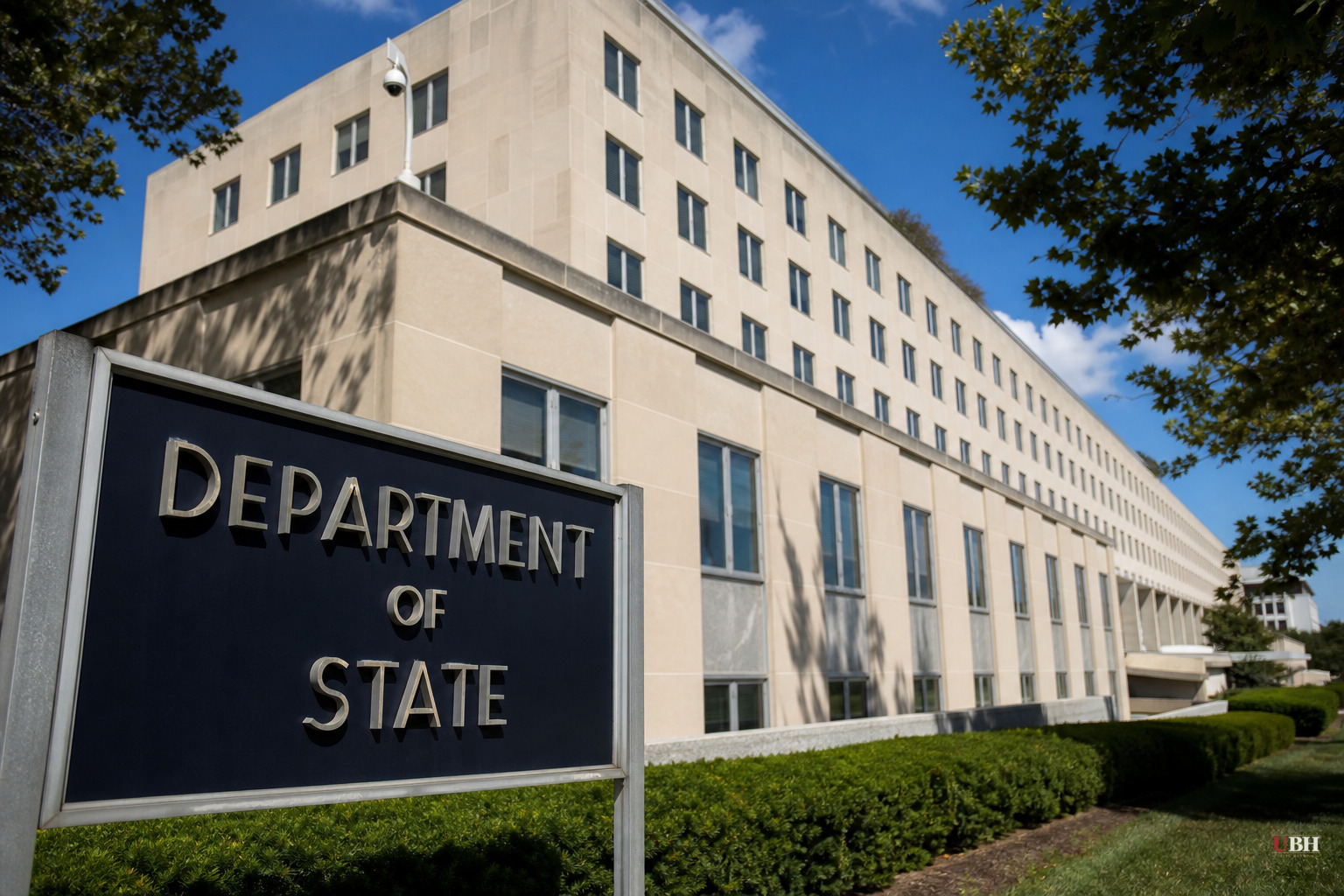
The State Department said Monday it has revoked more than 175,000 visas from foreign nationals since President Trump's second term began, an increase from the 100,000-plus figure the department cited earlier when spokesman Tommy Pigott first detailed the continuous vetting program to reporters.
According to the department's Monday statement, the visas were pulled from people who "violated the terms of their visas, committed crimes, called for violence against U.S. citizens, defrauded Americans, abused our immigration system, or endangered national security."
The department said most revocations stem from law enforcement encounters, with assault, driving under the influence, theft and drug crimes topping the list. Reckless driving, sexual assault, child abuse, and fraud or embezzlement made up a smaller but significant share.
State Department officials cited specific cases to illustrate the scope of the crackdown, including a foreign national charged with felony rape and sexual battery of a victim who was mentally disabled, and another charged with felony kidnapping, human trafficking and sexual exploitation of a minor. The department did not name these individuals or specify the countries involved in those two cases.
The department also flagged a birth tourism case, saying a U.S. embassy in North Africa revoked more than 100 visas issued to parents who traveled to the United States primarily to give birth so their children would receive automatic citizenship. That case lands amid Trump's broader push on birthright citizenship and birth tourism, an effort that hit a setback at the Supreme Court and prompted executive orders Trump signed targeting both practices.
"A U.S. visa is a privilege, not a right," the department said, adding it "remains committed to using every tool available to protect our communities." Secretary of State Marco Rubio has overseen the continuous vetting program, which cross-checks visa holders against criminal and national security databases on an ongoing basis rather than only at the point of application.
The 175,000-visa figure represents a jump from the department's previously cited 100,000-plus tally, which had circulated for months as officials, including Pigott, walked reporters through the mechanics of continuous vetting and its focus on DUIs and other criminal encounters. Monday's new figure shows the program has continued to add to that count.
The department's own language, citing people who were merely "charged" in some of its examples, doesn't always specify whether those charges resulted in convictions. That distinction matters: an arrest is not a finding of guilt, and a visa holder charged with a crime who is later acquitted or has charges dropped may still have already lost legal status by the time that happens.
The department's statement did not include a full breakdown of how many revocations followed convictions versus charges or arrests, nor did it include country-by-country data beyond the North Africa birth tourism example it cited.
Separately, immigration detention practices are drawing their own scrutiny. The Guardian reported this week that Gabar Choli, a Kurdish man held in U.S. immigration detention, described being force-fed over eight months during a hunger strike, saying the experience left him needing to write his own body "an apology letter." That case is not directly tied to the visa revocation program, but it comes amid broader attention to conditions inside the immigration detention system.
Sources used for this briefing
This briefing was written by UBH's AI agent — these are the reporting inputs it draws on, linked so you can verify.


