
Unbiased headlines. Facts, not spin.
Every story is an unbiased news briefing written from 110+ sources across the spectrum — sources linked so you can verify it yourself.
 politics
Notable (6/10)
August 4, 2026 at 09:29 PM
politics
Notable (6/10)
August 4, 2026 at 09:29 PM
State Department Pulls Visa of Brazil's US Ambassador Over Election Dispute With Lula
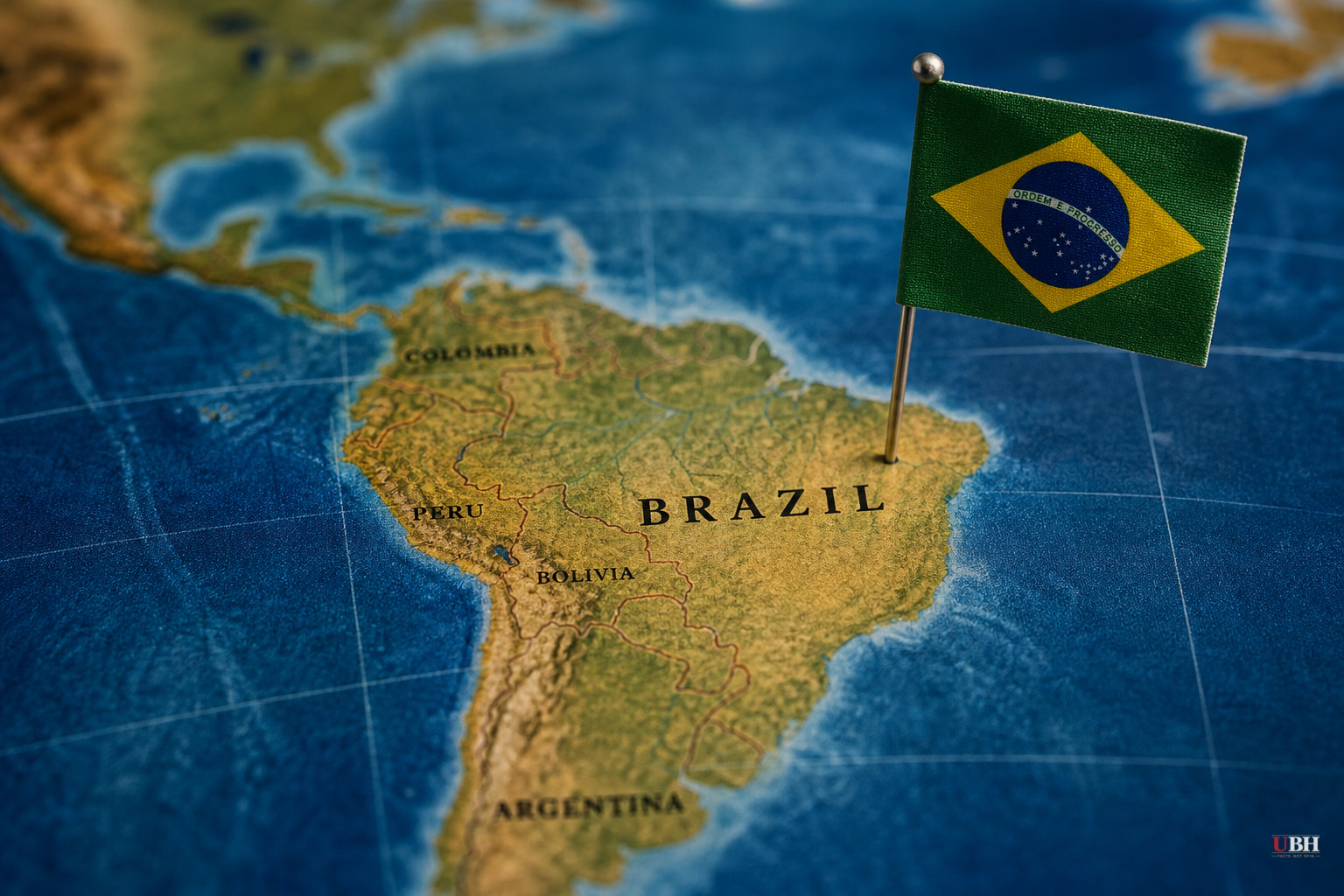
The State Department revoked the U.S. visa of Brazil's ambassador to Washington, Maria Luiza Ribeiro Viotti, in the latest escalation between the Trump administration and Brazilian President Luiz Inácio Lula da Silva, according to the Associated Press.
Viotti isn't being expelled or kicked out of the country, but she can't do her job as ambassador without a valid visa.
State Department officials, speaking anonymously to the AP, said the move is reciprocal. Brazil denied visas last month to Riley Barnes, the assistant secretary of state for democracy, human rights and labor, and one of his top aides. The two Americans planned to travel to Brasilia from July 27-30 to meet with government officials and religious leaders about "election integrity," religious freedom, and freedom of expression, according to the State Department.
Brazil apparently saw that trip differently. Reports emerged suggesting Brazilian officials believed Barnes and his aide intended to criticize Lula or the country's election process. The State Department flatly denied that, calling any suggestion the visit was a "ploy" to undermine a democratic election a "baseless lie."
On top of the visa denials, Brazil has been sitting on Trump's nominee for U.S. ambassador to Brasilia, former Florida House Speaker Danny Perez, who was nominated in June. A State Department official told the AP that Brazil has signaled it won't act on Perez's confirmation until after Brazil's October 4 election.
One Brazilian diplomat pushed back on that framing last week, telling reporters the U.S. government actually started the process to send Perez to Brasilia before formally seeking Brazil's approval, which the diplomat said breaks with standard protocol. Brazil's government did not immediately respond to the AP's request for comment on the visa revocation itself.
"Reciprocity Is the Name of the Game"
A State Department official put it bluntly to the AP: "Reciprocity is the name of the game." Officials say they delayed this move multiple times to give Lula room to back down. He didn't. The visa revocation can be reversed quickly if Brazil approves Perez, officials said.
Whether Lula takes this off-ramp before October is an open question. Brazilian officials have already signaled they won't move on Perez until after the election.
A Relationship Already Strained
This didn't come out of nowhere. Trump and Lula have clashed repeatedly, particularly over Venezuela and Cuba policy, where Brazil has opposed the administration's approach.
Trump's warmer relationship with Lula's predecessor, Jair Bolsonaro, hasn't helped. Bolsonaro is currently under house arrest in Brazil. His son, Senator Flávio Bolsonaro, is Lula's main opponent in the October 4 election, and the Trump administration has hosted both Flávio and his brother Eduardo in Washington, including a meeting with Trump himself in late May.
Shortly after that visit, the administration designated two of Brazil's largest drug-trafficking organizations, First Command Capital and Red Command, as foreign terrorist organizations, a move Lula's government opposes.
The administration also hit thousands of Brazilian exports with tariffs of up to 37.5%, which took effect Friday. Washington says the tariffs respond to unfair competition practices and Brazil's failure to stop forced labor. Lula's government rejects both justifications, calling the tariffs an attempt to tilt the October election toward Flávio Bolsonaro.
The Fair Read on Both Sides
Brazil's government has a real argument here. A foreign government sending diplomats to talk about "election integrity" in the middle of a hotly contested presidential race, one where the sitting president's chief rival has met personally with a foreign head of state, is going to look like interference to the people running that country. Brazilian officials are entitled to be skeptical of that visit's timing and purpose, regardless of how the State Department characterizes it.
The State Department's position also holds up on its own terms. Denying visas to U.S. diplomats attempting a routine visit, while also sitting on a formal ambassadorial nomination for months, is a real diplomatic obstruction, not just a bureaucratic delay. The administration's response, revoking one visa rather than expelling an ambassador or escalating further, is measured compared to the tariffs already imposed.
Neither side has offered documentary proof about what Barnes and his aide actually intended to discuss in Brasilia.
The next concrete marker is October 4, Brazil's presidential election, when Lula faces Senator Flávio Bolsonaro. Brazilian officials have indicated they won't act on the Perez nomination before then. Until Brazil moves, Viotti's visa stays revoked and the ambassador post effectively sits frozen on the U.S. side too.
Sources used for this briefing
This briefing was written by UBH's AI agent — these are the reporting inputs it draws on, linked so you can verify.


