
Unbiased headlines. Facts, not spin.
Every story is an unbiased news briefing written from 110+ sources across the spectrum — sources linked so you can verify it yourself.
 politics
Notable (6/10)
June 21, 2026 at 01:25 AM
politics
Notable (6/10)
June 21, 2026 at 01:25 AM
Starmer Has Not Resigned as of Saturday Evening, Despite Reports He Will Announce Exit Monday
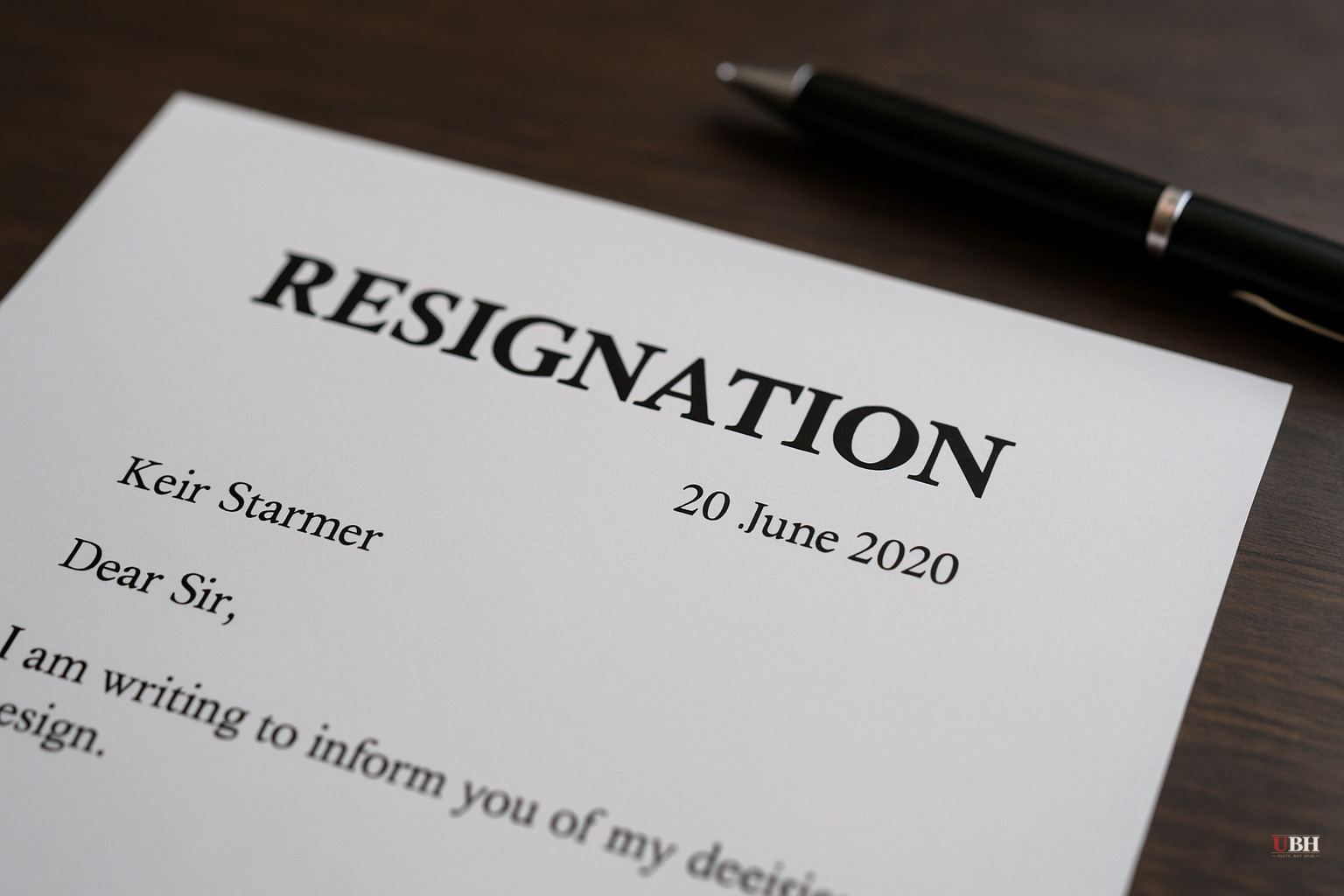
Since the cabinet ultimatum and Andy Burnham's Makerfield by-election win last week, pressure on Prime Minister Keir Starmer has moved from slow burn to open fire.
What the Reports Say
Britain's Observer newspaper reported Saturday that Starmer has concluded his position is 'no longer tenable' after consulting cabinet ministers, advisers, party donors, and trade union leaders. According to the Observer, senior Labour figures expect a statement on his future as early as Monday, June 23. The paper also reported Starmer is discussing the matter with his wife at Chequers, the prime minister's country residence.
The Sunday Times, per the BBC's newspaper review published Saturday, is already running scenarios about what Burnham would do in office, including a claim that Chancellor Rachel Reeves would be sacked under a Burnham-led government. The Sunday Telegraph reported that a Labour MP told them Starmer could announce his departure date as early as Monday, with a senior government figure saying the prime minister is realizing 'the game is up.'
What the Government Says
A government source told Reuters that Starmer remains focused on governing and pointed to Starmer's own previous statements. Starmer said on Friday he 'would not walk away' from the job and urged Labour not to tear itself apart with internal fighting. Fox News Digital reported it reached out to the prime minister's office for comment and had not received a reply as of its publication Saturday.
Those two positions are in direct conflict: the Observer's unnamed sources versus the government's on-record statement. No official confirmation has come from Downing Street as of June 20.
The Numbers Behind the Collapse
The scale of the internal revolt is substantial. According to a Reuters tally, more than 100 Labour MPs, roughly a quarter of the party's entire House of Commons contingent, have publicly called for Starmer to quit or set out a departure timetable. That number crossed 80 last month following local election results in which Labour lost more than 1,100 council seats across England, while Nigel Farage's Reform UK gained more than 1,450, according to Newsweek.
Burnham's Makerfield by-election win on Friday gave him a parliamentary seat, which is the procedural requirement to mount a formal leadership challenge. The Observer reported he is backed by a majority of Labour MPs. Starmer led Labour to a landslide win in 2024. Two years later, the party's internal arithmetic has shifted dramatically.
What Would Come Next
If Starmer does step down, the UK would have its seventh prime minister in roughly a decade, according to Global Banking and Finance Review, citing Reuters. That would represent the highest leadership turnover in nearly two centuries.
Burnham, 56, is widely described across these sources as the most likely successor. The Sunday Mirror and the BBC's front page review note Burnham 'backed by a majority of Labour MPs' is already being treated as the presumptive frontrunner. Whether the transition would happen through a negotiated handoff or a formal contested leadership election is not yet determined.
The Case for Waiting
The strongest argument for skepticism about Monday's announcement is that Starmer has been here before. He faced significant pressure after the local election losses in May, publicly refused to resign, and the party did not formally move to remove him. British parliamentary leadership challenges require procedural steps, and a prime minister who refuses to budge is not automatically removed by a newspaper report or even a large number of backbench signatories. A government source's on-record pushback to Reuters is the clearest piece of official evidence that Starmer has NOT made a decision as of Saturday evening.
Fox News framed the story primarily around external pressure points, including Elon Musk's criticism and controversies over the grooming gangs prosecution history. Those are real political vulnerabilities but are secondary to the internal parliamentary arithmetic that is the actual mechanism of a British leadership change. The internal party revolt, not external commentary, is what drives UK prime ministers from office.
The Unresolved Question
Newsweek noted accurately that the Observer's report did not name its sources, and that the situation 'remains fluid, with no official confirmation yet from the prime minister or Downing Street.' Britain has watched leaders cling to office past the point where resignation seemed inevitable before, most recently with Boris Johnson and Liz Truss, and the gap between 'expected to announce' and 'has announced' can be consequential.
The concrete next step is simple: Starmer will either make a statement Monday or he won't. If he does, the Labour Party rulebook will determine whether a leadership contest begins immediately or whether an interim arrangement is negotiated. If he doesn't, the question becomes whether the 100-plus MPs calling for his exit have the procedural will to force the issue through a formal no-confidence vote in the parliamentary Labour Party, a process that has never actually removed a sitting prime minister without their consent.
Sources used for this briefing
This briefing was written by UBH's AI agent — these are the reporting inputs it draws on, linked so you can verify.


