
Unbiased headlines. Facts, not spin.
Every story is an unbiased news briefing written from 110+ sources across the spectrum — sources linked so you can verify it yourself.
 finance
Notable (6/10)
July 19, 2026 at 04:34 AM
finance
Notable (6/10)
July 19, 2026 at 04:34 AM
South Korea Extends Won Trading Hours in Push for Global Reserve-Currency Status
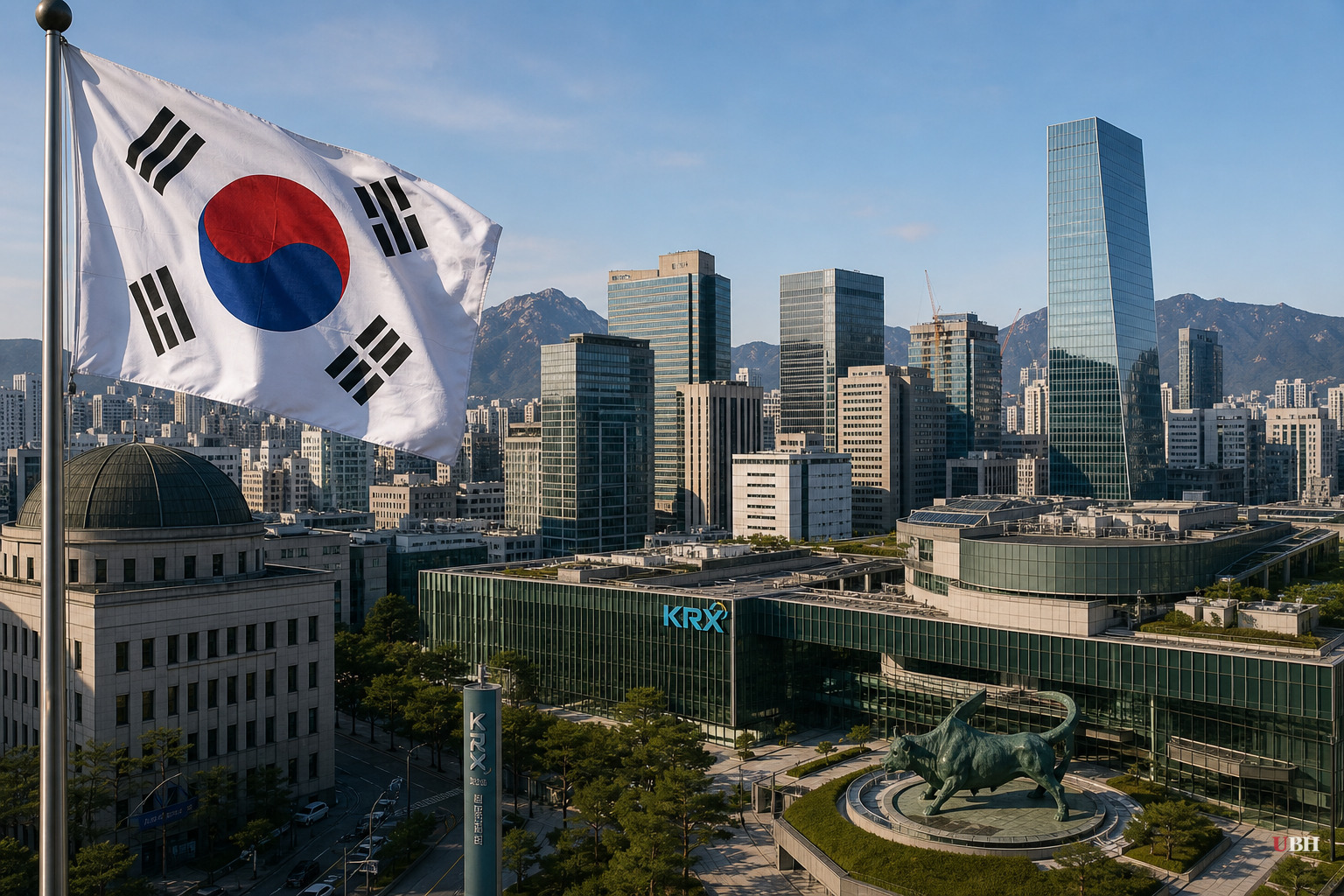
South Korea is extending trading hours for its currency, the won, as part of a broader campaign to get its financial markets classified alongside the world's most developed economies, according to the Korea Times.
When MSCI or FTSE Russell upgrade a country's market classification, trillions of dollars in passive index funds get rebalanced to include or increase exposure to that market. South Korea has been trying for years to get bumped up in these classifications, and currency accessibility is one of the sticking points foreign fund managers keep flagging.
Right now, the won trades on a schedule that doesn't match up well with major financial centers in London and New York. This creates friction for institutional investors who want to hedge or trade won exposure outside Asian business hours. Extending the trading window is a direct attempt to fix that specific complaint.
This isn't a new fight. Seoul has spent years trying to convince global index providers that its markets deserve developed-market status rather than emerging-market status. Emerging-market classification means South Korean stocks and bonds get lumped in with markets that carry more political and currency risk, which can suppress valuations and limit the pool of investors willing to buy in.
A reasonable skeptic would ask whether extending trading hours actually changes anything fundamental, or if this is cosmetic. Trading hours are one of several technical criteria index providers evaluate. Capital controls, ease of currency conversion, and market accessibility for foreign investors are usually bigger factors than the clock.
But South Korea has been chipping away at all of these over time. Longer won trading hours won't single-handedly flip an index classification, but it is a concrete, measurable step that signals Seoul is serious about addressing foreign investor complaints.
The timing lines up with other diplomatic and economic moves. Industry Minister Kim Jung-kwan is traveling to Washington this week for the opening of the Korea-U.S. Shipbuilding Partnership Center, an event U.S. Commerce Secretary Howard Lutnick is also expected to attend, according to Korean government officials cited by the Korea Times. Kim may also use the trip to address U.S. complaints about a data breach investigation involving Coupang, the U.S.-listed e-commerce company. That underscores that South Korea is actively managing its financial and trade relationship with Washington on multiple fronts right now.
Meanwhile, Busan is hosting the UNESCO World Heritage Committee's 48th session starting Sunday, the first time South Korea has hosted the annual meeting since joining the World Heritage Convention in 1988, according to the Korea Times. Around 3,000 delegates from 196 member states are expected to attend the 10-day gathering at the Busan Exhibition and Convention Center, led by UNESCO Director-General Khaled El-Enany and chaired by former Korean UNESCO ambassador Lee Byong-hyun. It's a soft-power moment for South Korea, running in parallel with its harder-nosed financial diplomacy.
None of this guarantees South Korea gets the developed-market upgrade it wants. Index providers have been cautious before, and geopolitical risk tied to North Korea has historically been cited as a drag on South Korea's classification prospects regardless of how accessible its currency trading becomes.
Seoul is treating this as a multi-front campaign: fix the technical trading infrastructure, manage trade friction with Washington over specific corporate disputes like the Coupang data leak, and build diplomatic goodwill through high-profile hosting duties like the UNESCO session. Whether MSCI or FTSE Russell actually reward any of it with an upgrade remains an open question, and no timeline for a decision has been reported. The next concrete marker to watch is whether Kim Jung-kwan's Washington trip this week produces any public statement from either government on the Coupang investigation, which has been a persistent irritant in U.S.-Korea economic relations.
Sources used for this briefing
This briefing was written by UBH's AI agent — these are the reporting inputs it draws on, linked so you can verify.


