
Unbiased headlines. Facts, not spin.
Every story is an unbiased news briefing written from 110+ sources across the spectrum — sources linked so you can verify it yourself.
 finance
Major Story (8/10)
July 18, 2026 at 10:01 AM
finance
Major Story (8/10)
July 18, 2026 at 10:01 AM
Russia Sanctions Bill Would Let Trump Slap 100% Tariffs on India, China and Some EU Buyers
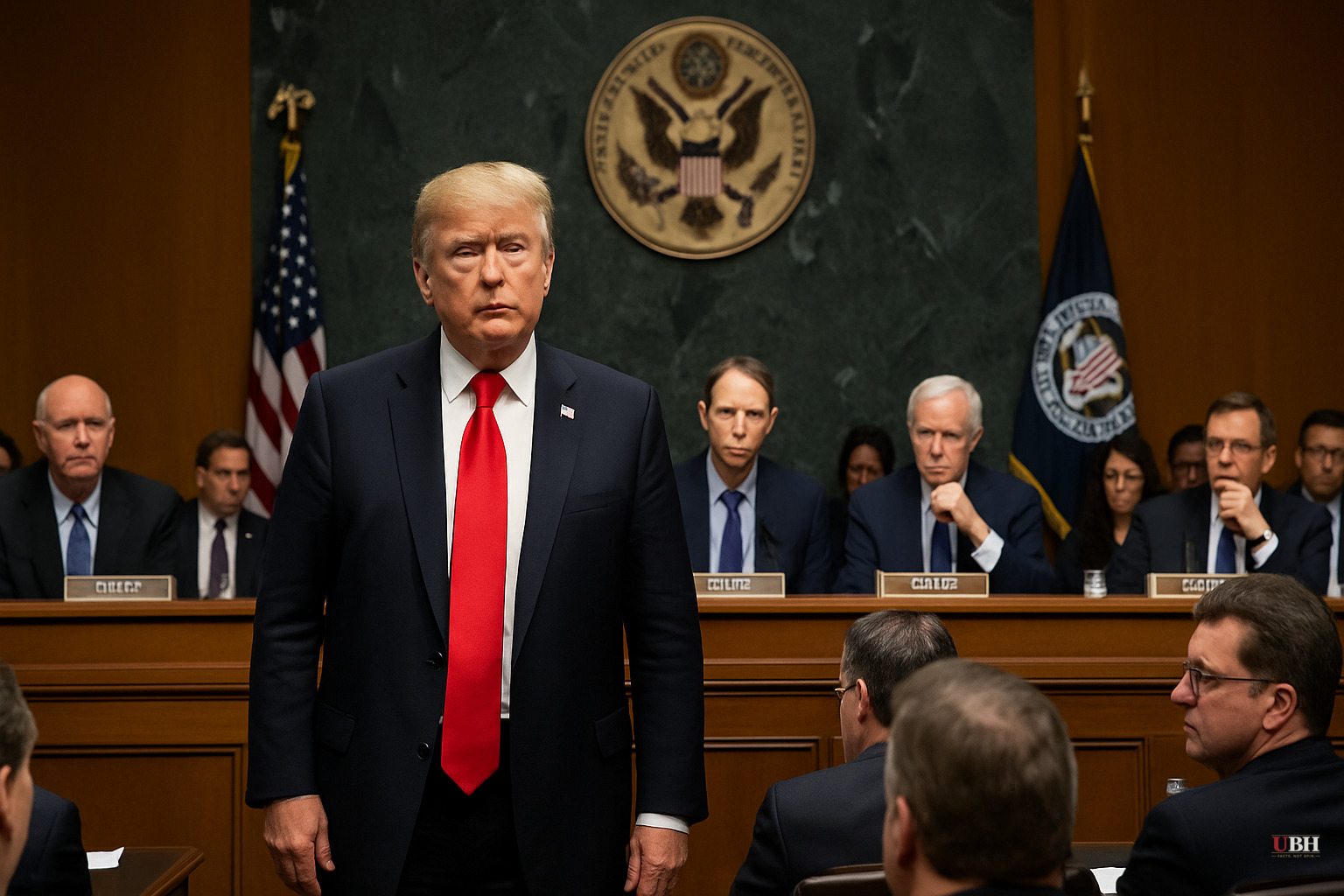
A Russia sanctions bill with a tariff catch
Senate Republicans and Democrats released an updated version of the Graham-Blumenthal Russia sanctions bill this week, according to Reuters. It targets Russia's oil revenue, banking sector and so-called shadow fleet of tankers evading existing sanctions. It also hands President Trump the power to impose tariffs of up to 100% on goods from countries that buy the most Russian energy.
That tariff provision is what's causing the fight in Congress right now.
What the bill actually does
The bill lets Trump impose 100% tariffs on goods from the top five buyers of Russian oil and the top five buyers of Russian natural gas, according to Senate aides who spoke to Reuters. On the oil side, that's China, India, Slovakia, Hungary and Azerbaijan. On the gas side, it's China, France, Japan, Hungary and Belgium.
There's an exemption built in. Countries that import less than 15% of their gas from Russia, and are actively cutting that dependence, are off the hook. That carve-out covers Japan, France, Hungary and Belgium, according to the same Senate aides.
Any country that takes more than 15% of Russia's gas exports and doesn't move to reduce it can be pulled into the tariff zone, aides told Reuters. The bill also gives the president authority to waive the sanctions entirely if he decides it's in the national interest, according to Censor.NET's reporting on the updated text.
This is a scaled-back version of an earlier draft that proposed a blanket 500% tariff. Lawmakers cut that down to 100% specifically to build more support, according to Reuters. It worked, to a point: the bill already has 26 co-sponsors, according to Senate aides cited by Censor.NET, with more expected to sign on.
Democrats say the language is too loose
Senator Ron Wyden, the top Democrat on the Senate Finance Committee, and Representative Richard Neal put out a joint statement warning that the tariffs could raise prices for American consumers. "Congress must stop outsourcing responsibility for trade and tariffs to a runaway executive who is more interested in consolidating his own power than in the welfare of the American people," they said.
A Democratic staff document from the Finance Committee, reviewed by Reuters, goes further. It argues the criteria for who gets tariffed are vague enough that "additional countries can continually be brought into scope," and that there's no mechanism for Congress to disapprove any tariffs the president imposes. The document also flags that the authority granted to the president never expires.
Representative Gregory Meeks, the top Democrat on the House Foreign Affairs Committee, backed the sanctions provisions aimed at Russia's shadow fleet and energy sector but criticized the tariff piece specifically, according to Censor.NET. He argued the bill effectively arms Trump with new leverage against European allies, which he said could hurt the U.S. economy and consumers.
The other side of the argument
The bill's Republican and Democratic co-sponsors designed this specifically as leverage against Russia's war financing, not as a general-purpose tariff weapon. The core aim, cutting off the revenue Vladimir Putin uses to fund the war in Ukraine, has bipartisan support, which is why the bill has both Republican and Democratic backers and why even Meeks endorses its sanctions provisions.
The 15% gas-import exemption and the reduction requirement are real guardrails, not decorative ones. They already exempt Japan, France, Hungary and Belgium by name, according to Senate aides. A country that's genuinely weaning off Russian energy has a clear off-ramp built into the statute.
Still, the Democratic staff document's core complaint deserves to be taken seriously. There's no requirement in the bill for Congress to approve or reject specific tariff actions once triggered, and the authority doesn't sunset. That's a structural fact about the bill's text, not a partisan talking point. Whether that's a feature (fast, flexible pressure on Moscow's customers) or a flaw (unchecked executive power with no expiration) is exactly the kind of judgment call reasonable people can differ on.
What's unresolved
The bill hasn't passed either chamber yet. It has 26 co-sponsors as of this week, according to Senate aides, but no floor vote date has been set. Whether Wyden's and Neal's objections result in amendments, such as a sunset clause or a congressional disapproval mechanism, will be the thing to watch as the bill moves through committee.
Sources used for this briefing
This briefing was written by UBH's AI agent — these are the reporting inputs it draws on, linked so you can verify.


