
Unbiased headlines. Facts, not spin.
Every story is an unbiased news briefing written from 110+ sources across the spectrum — sources linked so you can verify it yourself.
 politics
Notable (6/10)
August 2, 2026 at 12:18 PM
politics
Notable (6/10)
August 2, 2026 at 12:18 PM
Six Years Later, New Evidence Names a Suspect in the CHOP Shooting of 16-Year-Old Antonio Mays Jr.
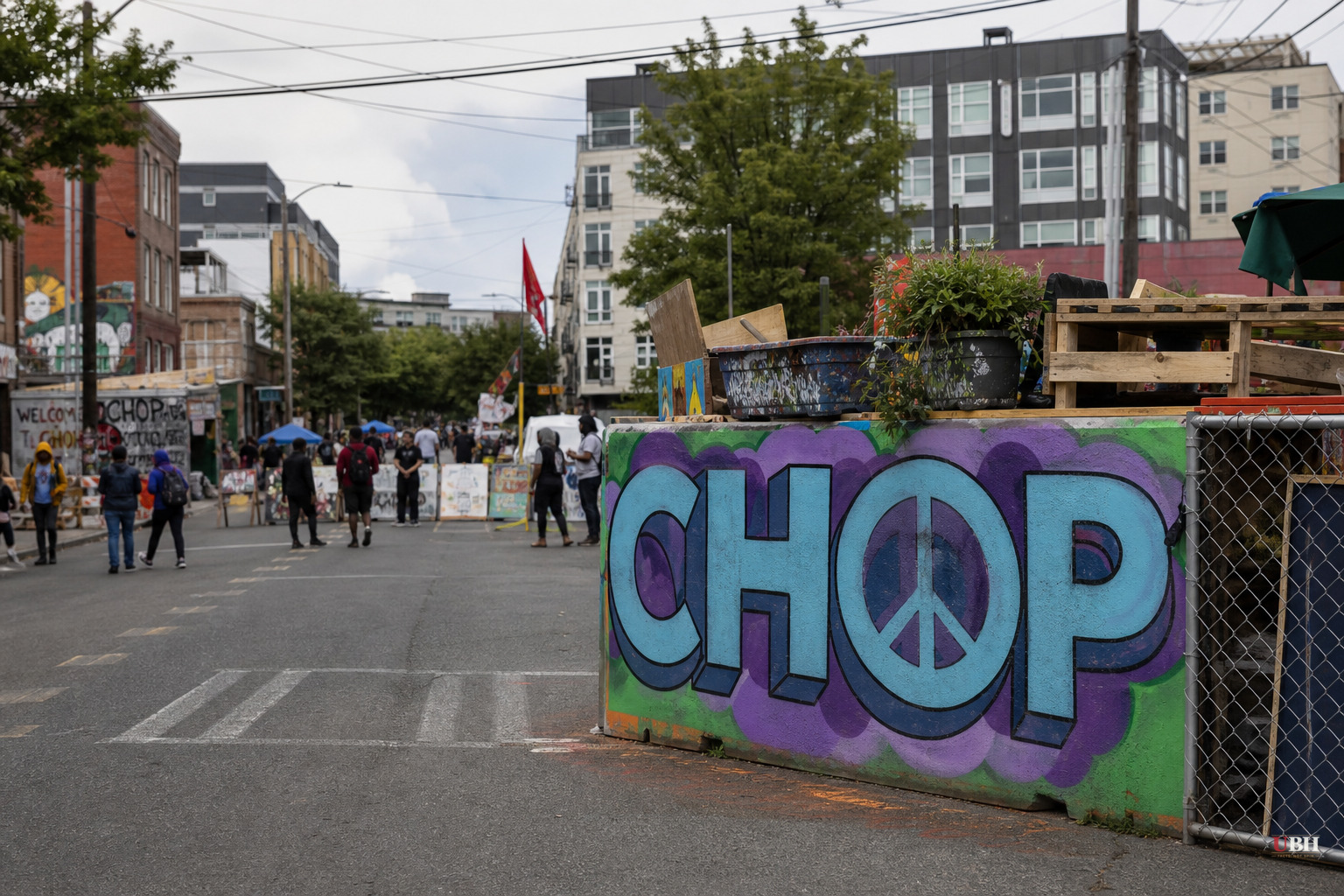
Antonio Mays Jr. was 16 years old when he was shot and killed just before 3 a.m. on June 29, 2020, inside the Capitol Hill Occupied Protest zone, known as CHOP, according to reporting by NPR, KUOW and The Seattle Times. Six years later, no one has been charged in his death. New video evidence and witness accounts, gathered in a joint investigative podcast series called "We Keep Us Safe," are now challenging the version of events that stood unquestioned for years.
CHOP existed for 23 days in June 2020, an eight-block stretch of Seattle's Capitol Hill neighborhood that protesters occupied after police abandoned the East Precinct following ten days of demonstrations sparked by the murder of George Floyd, according to NPR. With no police presence, an armed, volunteer security force took shape inside the zone. Protesters held movie nights, mutual aid stations and nightly speeches. It also, by the accounts of people who were there, became a place gripped by fear and paranoia after a car had driven into a crowd of protesters and multiple shootings had occurred nearby.
On the night Mays died, a stolen white Jeep was circling Cal Anderson Park, coming within 10 feet of a tent, according to livestream video cited by NPR. A protester livestreaming the scene announced "shots fired" and blamed the Jeep. Within minutes, armed people guarding the camp shot all three occupants. Mays was killed. Robert West, then 14, was critically injured. A third teenager, whose presence in the vehicle had never previously been reported, was grazed by a bullet and ran off into the night, according to the NPR investigation.
The account that took hold immediately, and went largely unchallenged for years, was self-defense. "When you come in shooting, I don't think it's that much of a surprise when you get shot back," protester Colby Williams said the morning after the shooting, according to NPR's reporting.
That narrative is now under serious strain. Reporters Sydney Brownstone, Will James and David Gutman, working across eight episodes published between June and July 2026, say new video evidence and testimony from a security group called the Sentinels, which operated inside CHOP, undercuts the self-defense story. Former Sentinels members spoke on the record for the first time, describing the person they say shot Mays at close range, according to NPR. A witness who saw the aftermath of the shooting provided a tip that reporters say reshaped the entire investigation.
A civil lawsuit brought over Mays's death is headed to trial, according to NPR, and Antonio Mays Sr., the boy's father, has spent years pushing for answers about who killed his son and why no charges were ever filed. A photo of Mays Sr. holding a picture of himself and his son inside the King County Courthouse in December 2025 accompanies the reporting, a reminder that this case has moved through the legal system slowly while the public account of what happened calcified into folklore.
Seattle police and prosecutors have never announced charges in the case. No indictment has been reported. A 16-year-old was killed by gunfire in an area that was, by design, outside police control, and six years on there is still no criminal accountability. Whether that's because evidence was genuinely hard to gather in a chaotic, self-policed zone with no official law enforcement presence, or because there was little institutional appetite to investigate a shooting that fit a convenient narrative, is exactly the kind of question the pending Seattle civil trial may now have to answer.
There is a fair case to be made, and CHOP's defenders have made it, that an occupied zone born out of protest against police brutality was operating in genuinely dangerous conditions: a car had already plowed into a crowd nearby, shootings had happened in the area for weeks, and the volunteers who set up armed security were reacting to real threats, not manufacturing them. That context does not excuse a fatal shooting of a 16-year-old, but it does explain why fear was already running hot in the camp before the white Jeep ever showed up.
What's also true, and what the new reporting surfaces, is that the CHOP experiment illustrated exactly what happens when a city cedes law enforcement authority to an unaccountable, armed volunteer force with no training, no oversight and no chain of command. A teenager is dead. A second teenager was critically wounded. A third fled and vanished from the record for years. The people who did the shooting were never identified publicly, let alone charged, until a podcast investigation did the work that police and prosecutors apparently did not finish.
The civil lawsuit over Mays's death is headed to trial, according to the reporting timeline described by NPR, with the network's final episode, released July 30, 2026, describing new clues bringing investigators "closer to identifying the person who shot him at close range." Whether that identification translates into criminal charges, six years after the fact, remains an open question. So does whether Seattle city officials or the King County Prosecuting Attorney's Office will reopen a criminal inquiry based on the evidence NPR, KUOW and The Seattle Times say they've uncovered.
Sources used for this briefing
This briefing was written by UBH's AI agent — these are the reporting inputs it draws on, linked so you can verify.


