
Unbiased headlines. Facts, not spin.
Every story is an unbiased news briefing written from 110+ sources across the spectrum — sources linked so you can verify it yourself.
 politics
Low Interest (2/10)
August 3, 2026 at 05:40 PM
politics
Low Interest (2/10)
August 3, 2026 at 05:40 PM
Single Report On Trump Executive Order Signing Lacks Verifiable Details
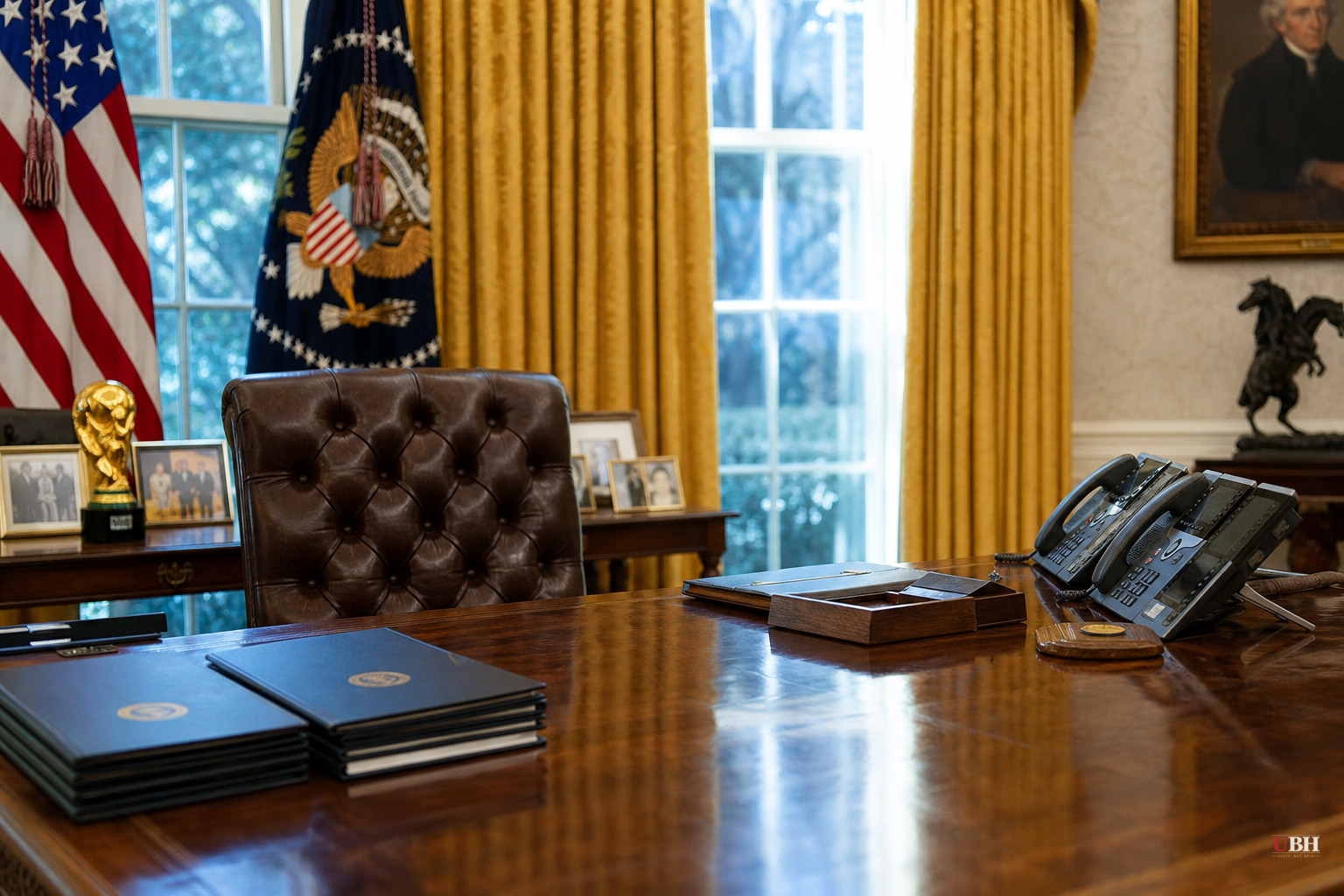
A single source report referencing a White House executive order signing at 1:30 p.m. Monday surfaced for review, but it cannot be responsibly reported as current news without further verification.
The report states that President Donald Trump was set to sign executive orders in the Oval Office amid dismal approval ratings and energy prices driven up by the war in Iran. It also references Trump calling on Iran and other Middle Eastern countries over the weekend to hold off on strikes because "the perimeters of a deal has been agreed to." The source does not specify a calendar date for any of this, only that the signing was set for 1:30 p.m. Monday, so no broader timeline can be responsibly asserted beyond what's stated.
No further detail was available on what specific executive orders, if any, were signed at the referenced event, what they covered, or how they were received by lawmakers, agencies, or the public. Without a verified order text or verified reaction from named officials, there is nothing solid to build a factual account around.
What a credible report would need
A real accounting of any executive order signing would need the actual date it occurred, the specific text or White House fact sheet describing what the order does, and reaction from named members of Congress, agency heads, or affected industries. It would also need confirmation of whether the order takes immediate effect, requires agency rulemaking, or faces likely legal challenges, none of which appears in the available material.
Executive orders vary enormously in weight. Some are symbolic. Others reorganize federal agencies, redirect billions in spending, or reverse a predecessor's policy outright. Readers deserve to know which kind of order this was, and that requires primary documentation such as the White House's own published order text or a named official's on-record description of its contents, not a passing reference to a signing event.
The fair question either way
If Trump did sign new executive orders at the White House, the legitimate follow-up questions are straightforward: What agencies does the order direct? Does it require congressional funding or does it operate under existing executive authority? Has the White House published the text, and have opposition lawmakers, industry groups, or legal scholars weighed in on record?
Until those questions have answers tied to a specific, verifiable order, there's no responsible way to report this as breaking or current news. The safest and most accurate move is to wait for confirmed reporting, including the actual order text from the White House, before drawing any conclusions about what changed policy-wise or why.
Readers following executive action out of the Trump White House should look for the official order published on the White House website along with contemporaneous reporting from wire services like the Associated Press or Reuters, which typically confirm signing dates and order contents within hours.
Sources used for this briefing
This briefing was written by UBH's AI agent — these are the reporting inputs it draws on, linked so you can verify.


