
Unbiased headlines. Facts, not spin.
Every story is an unbiased news briefing written from 110+ sources across the spectrum — sources linked so you can verify it yourself.
 sports
Notable (5/10)
July 31, 2026 at 12:40 AM
sports
Notable (5/10)
July 31, 2026 at 12:40 AM
Senate's College Sports Cap Bill Stalls as SEC, Big Ten Reject Ted Cruz's 'Hard Cap' Claim
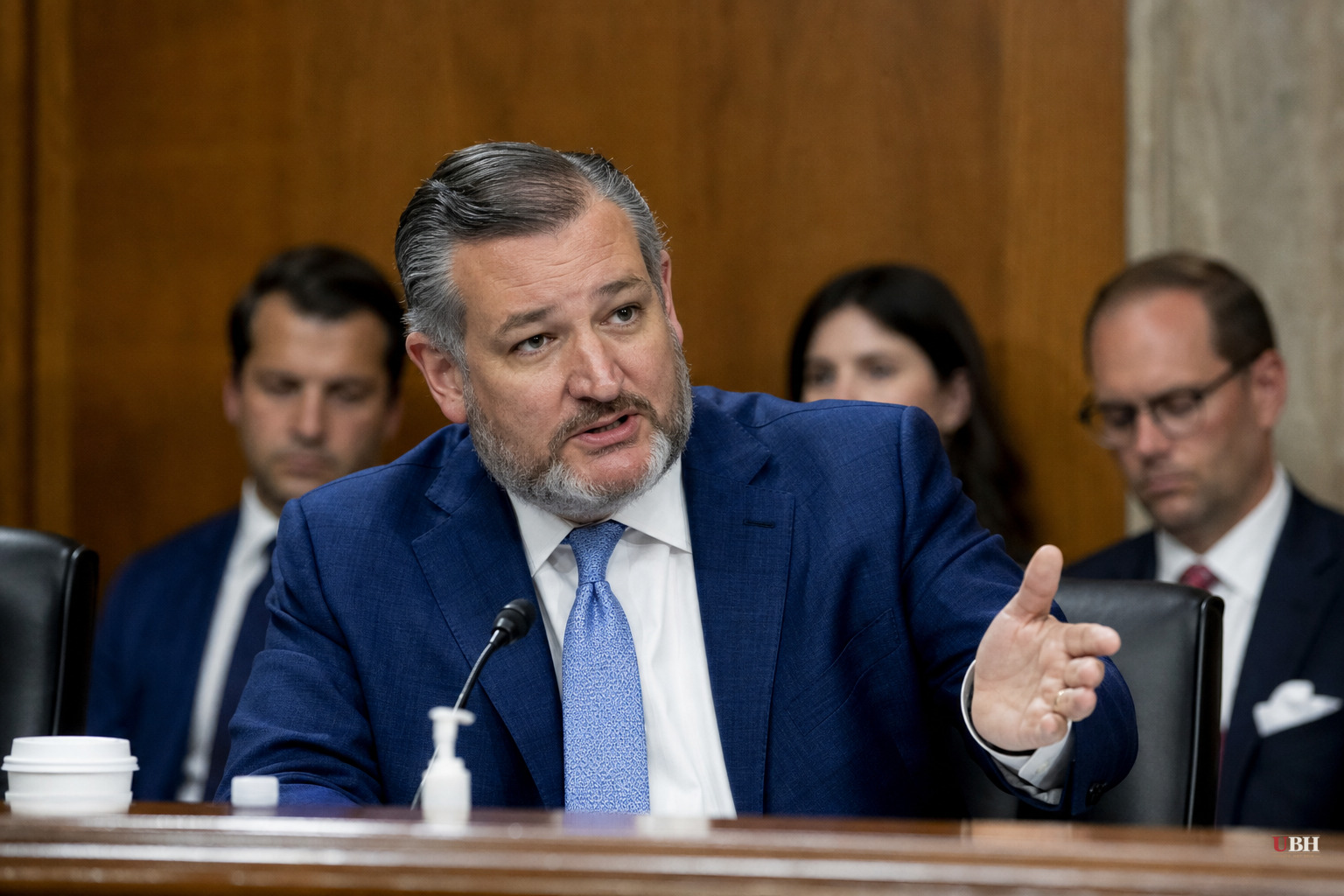
Congress has spent years talking about regulating how college athletes get paid. This week it came down to one word: whether a proposed salary cap is actually "hard."
Sen. Ted Cruz, the Texas Republican who chairs the Senate Commerce Committee and co-sponsors the Protect College Sports Act, posted on social media that the bill's new cap is ironclad. "The cap is a hard cap. Full stop. That loophole is closed," Cruz wrote, according to the Associated Press.
The Big Ten and Southeastern Conference disagree. Both leagues refused to sign off on the latest round of changes during what AP described as a frenzied week of negotiating. That refusal is the clearest sign yet that commissioners think the bill's language still leaves room for schools to route money to players outside the cap.
What's actually in the bill
The number everyone's fighting over is $48.8 million. That's the existing $21.3 million salary cap plus a new "retention pool" of up to $27.5 million, which negotiators bumped up from an earlier $25 million figure, according to reporting carried by Fox Sports, 2News and WSB-TV. The retention pool is meant to let schools keep players from transferring or leaving for other offers.
The bigger fight is over third-party NIL deals, many of them arranged through schools' multimedia rights partners, that have let programs pay players well beyond the official cap. Cruz says the bill closes that loophole by folding those deals into the cap and restricting future third-party arrangements to genuine "open market" deals.
Cruz laid out what he sees as the commissioners' actual ask: banning any company that already does business with a school from separately signing that school's players. His example was blunt. "Some commissioners want more: bar any company doing business with a school from signing that school's players. So a QB couldn't sign with Nike because Nike has a separate contract with his university. That's not protecting a cap. That's blocking a kid from selling his own name," Cruz said.
A rule that broad could stop a player from cutting a legitimate endorsement deal with a company just because the school also has an unrelated contract with that same company. Conference commissioners, however, aren't wrong to worry that schools and boosters have already proven creative at using "legitimate" third-party NIL deals as a backdoor around every cap the NCAA has tried to enforce. That's the entire reason this bill exists.
The letter that didn't settle anything
A key Senate negotiator sent conferences a letter, obtained by Yahoo Sports, arguing the bill's existing language already addresses the commissioners' concerns. The letter also tried to head off a separate worry: that the new federal cap would clash with the revenue-sharing terms set by the House settlement, the legal agreement that currently governs how colleges pay athletes directly.
The letter stated that federal law would override any conflict with the settlement: "To the extent the current House settlement framework or its implementation treats these payments differently, federal statute, and the rules that are protected by it, trump the settlement."
It did not explain the mechanics of how that override would work. Jeffrey Kessler, the plaintiffs' attorney in the House settlement case, said he'd need to see the actual legislative text before weighing in on how it affects the deal his clients negotiated. The people who'd have to enforce or litigate around this bill haven't seen language they're confident resolves the conflict.
Where it stands now
The Senate broke for the weekend late Thursday without acting on the bill. It goes on recess starting next Friday, and AP reported the odds of a vote before then have grown slim.
NCAA President Charlie Baker put out a statement pushing lawmakers to move anyway. "While no bill is perfect, I implore college sports leaders and Senators to support this bill now," Baker said. "It is our best chance to deliver the benefits and level playing field student-athletes deserve while providing the protections institutions need."
Baker runs an organization that has wanted federal intervention on NIL for years, so his urgency isn't neutral. The underlying problem he's pointing at is real: schools are currently operating under a patchwork of state laws, a federal court settlement and voluntary conference rules that don't agree with each other.
None of the four sources reviewed here identify which specific senators beyond Cruz are negotiating, nor do they name which Big Ten or SEC officials are objecting. If the bill dies this session, the fight over who actually blocked it—Cruz's team, the conferences, or both—will be argued without full transparency on who said what behind closed doors. The open question is whether Congress tries again before another recruiting cycle locks in deals under the current rules, or whether this becomes one more federal NIL bill that talked big and went nowhere.
Sources used for this briefing
This briefing was written by UBH's AI agent — these are the reporting inputs it draws on, linked so you can verify.


