
Unbiased headlines. Facts, not spin.
Every story is an unbiased news briefing written from 110+ sources across the spectrum — sources linked so you can verify it yourself.
 politics
Major Story (7/10)
August 2, 2026 at 10:16 PM
politics
Major Story (7/10)
August 2, 2026 at 10:16 PM
Senate Unveils Stopgap Bill to Fund Government Through Dec. 11, Skipping Trump's Battleship Money
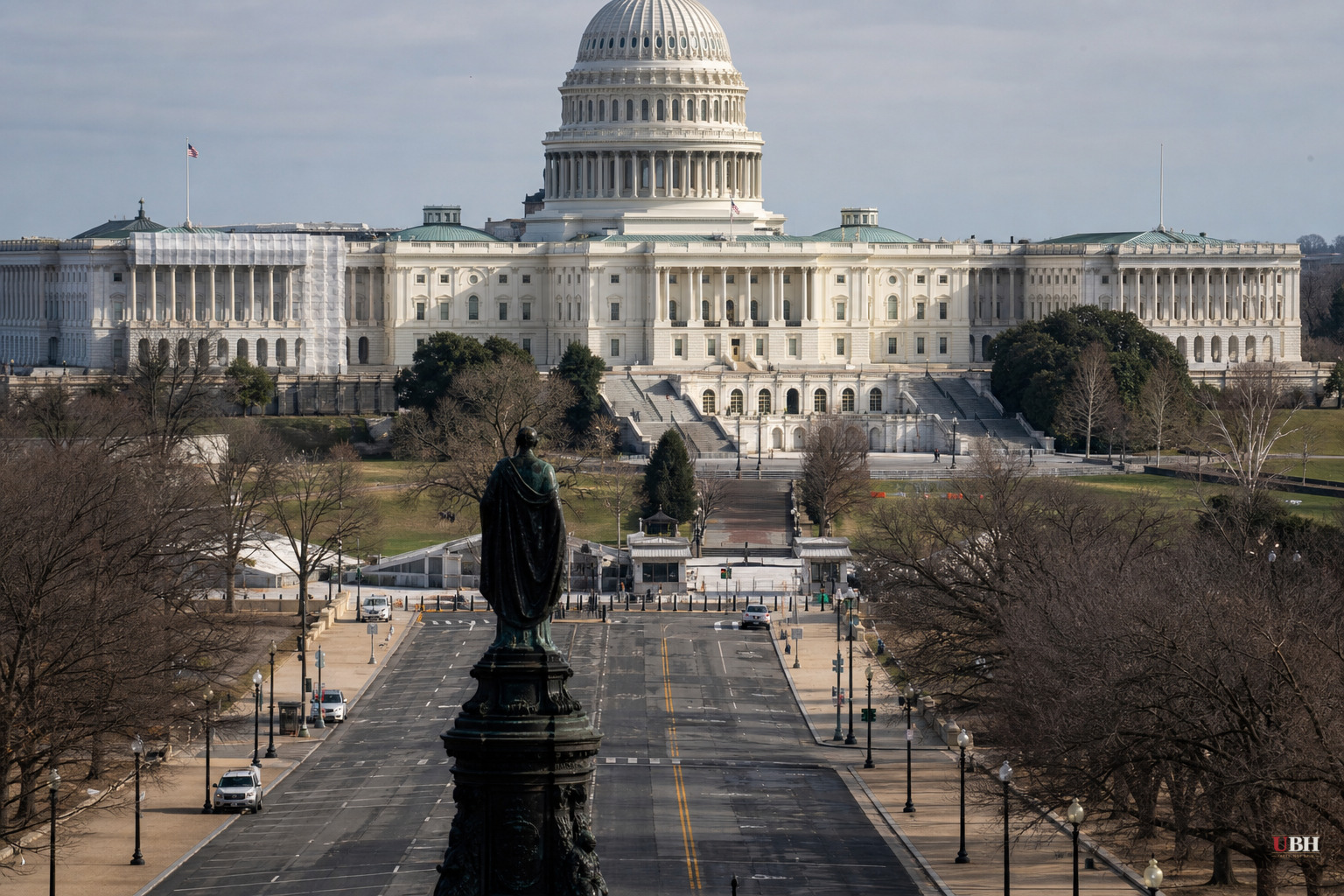
Congress is trying to avoid a third shutdown in ten months, and this time senators aren't waiting until the deadline to act.
Senate leaders unveiled a short-term spending bill Sunday that would fund federal agencies at current levels through Dec. 11, according to the Associated Press. That's roughly two months before the Sept. 30 fiscal year deadline, an unusually early move by Congress's normal standards.
The Senate is expected to vote on the measure before lawmakers leave Washington at week's end for August recess. The House already passed a similar version, but without several add-ons the White House wanted.
What Got Cut
Democrats flagged one item that didn't survive negotiations: $1 billion the Trump administration requested to build so-called "Trump-class" battleships, according to Newsday. Senators spent recent days hashing out which White House exceptions would make the final bill and which wouldn't. The battleship money was one that didn't.
A billion-dollar naming-rights request for warships got stripped from a stopgap bill. Taxpayers dodged that one, at least for now.
Thune's Pitch
Senate Majority Leader John Thune said keeping the government open is his top priority heading into recess. "We need to ensure that they do not face a third" shutdown, Thune said, referring to the two record-breaking shutdowns Americans have already lived through in the past ten months.
The country has had two shutdowns in under a year, and neither party came out looking good. Polling cited by the AP found voters didn't let either side off the hook for last fall's 43-day shutdown, the longest in U.S. history at that point.
Why the Early Move
Congress has been unable to pass its dozen annual appropriations bills on time, which is why a stopgap is needed at all. This bill buys lawmakers until December to work out full-year funding, but the underlying disagreement hasn't gone anywhere.
Republicans want a major boost to defense spending paired with cuts elsewhere. Trump has proposed a 10% cut to non-defense programs and roughly a 44% increase in defense spending, according to Newsday. Getting Democrats to sign off on that combination in December will be its own fight, and this bill just delays it rather than resolving it.
The political logic is straightforward: nobody wants a shutdown fight playing out on cable news two weeks before voters go to the polls in the midterms. Punting to Dec. 11 keeps the government open through Election Day and gives both parties room to campaign instead of negotiate.
Old Fights, Still Unresolved
This isn't the first time healthcare subsidies have blown up a funding bill this year. Democrats had previously pushed to extend an expiring health insurance tax credit and refused to back a short-term bill that left it out, according to Newsday. Republicans countered that the subsidy fight was a separate policy matter for another day. That disagreement doesn't appear to have been resolved in this new bill either; it's simply not the fight of the week.
Separately, a standoff over Department of Homeland Security funding, where Democrats had refused to fund ICE and Border Patrol without operational changes, dragged on for 76 days before it got resolved. That fight is a reminder of how ugly appropriations battles have gotten even outside the topline shutdown fights.
What's Still Unsettled
Sen. Susan Collins, the Republican chair of the Senate Appropriations Committee, is reportedly working with Democratic colleagues to delay a separate rule proposed by the Trump administration, according to Newsday, though the specifics of that rule and its timeline weren't detailed in available reporting.
The bigger unresolved question is what happens in December. Kicking the can to Dec. 11 doesn't settle the defense-versus-non-defense spending fight, doesn't settle the healthcare subsidy fight, and doesn't guarantee Congress will actually pass full-year appropriations bills by then instead of writing yet another stopgap. Given that lawmakers have now needed short-term fixes rather than real budgets for years running, there's no obvious reason to expect December to go smoother than September did.
The Senate vote is expected before week's end.
Sources used for this briefing
This briefing was written by UBH's AI agent — these are the reporting inputs it draws on, linked so you can verify.


