
Unbiased headlines. Facts, not spin.
Every story is an unbiased news briefing written from 110+ sources across the spectrum — sources linked so you can verify it yourself.
 politics
Major Story (7/10)
August 3, 2026 at 10:34 PM
politics
Major Story (7/10)
August 3, 2026 at 10:34 PM
Senate Stopgap Bill Blocks Trump Grant Rule, Funds Government Through Dec. 11
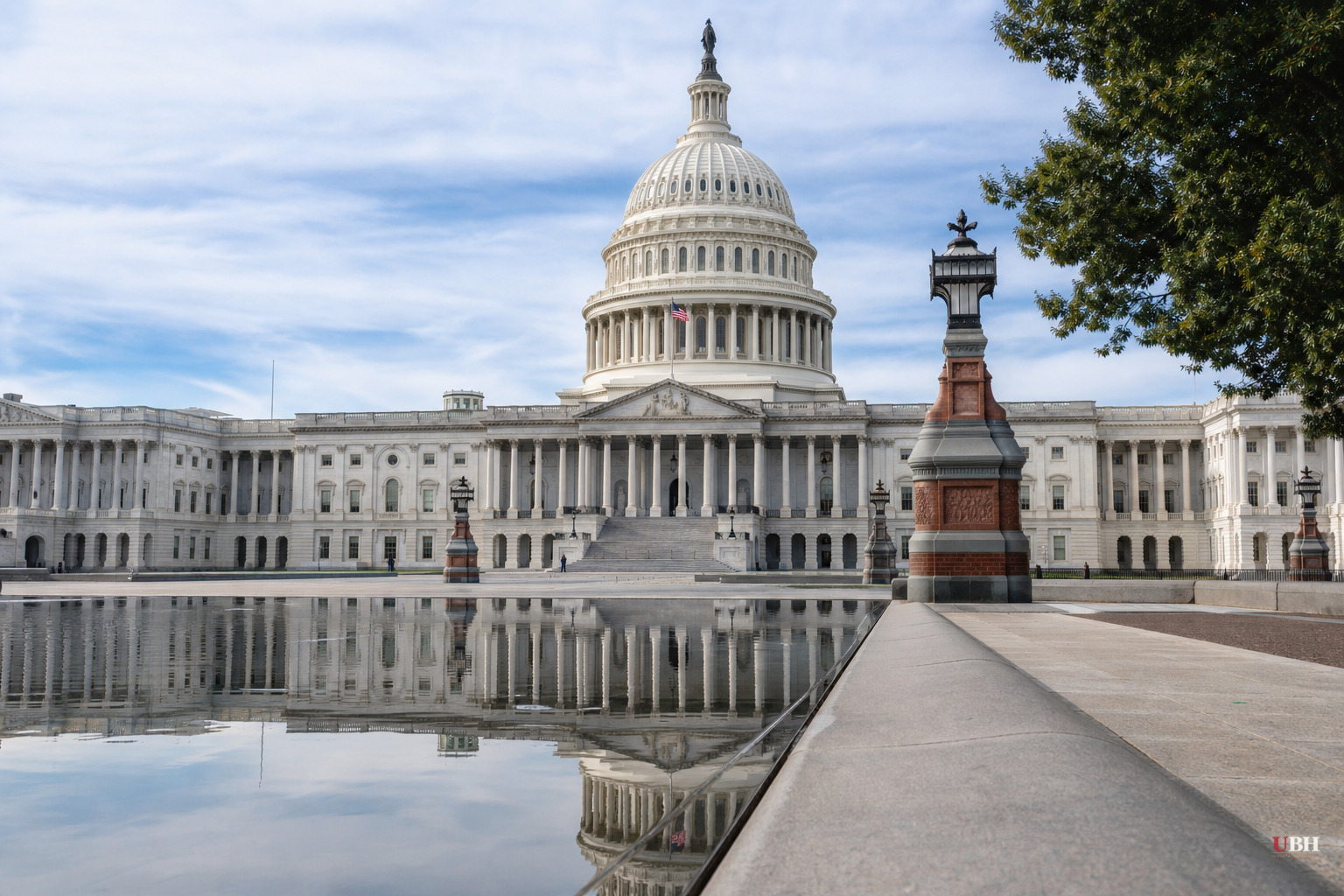
Senate Appropriations Chair Susan Collins, R-Maine, and Vice Chair Patty Murray, D-Wash., released a bipartisan stopgap spending bill Sunday that would fund the government through Dec. 11 and block, for now, a Trump administration plan to let political appointees sign off on federal research grants.
The Senate was scheduled to hold a procedural vote Monday evening. If it clears the 60-vote threshold, the chamber would likely move to final passage later this week, according to Government Executive. Senate leaders want the bill done before a five-week recess, according to Politico as cited by Fierce Healthcare.
What the Grant Rule Would Have Done
In late May, the White House Office of Management and Budget proposed rewriting the Uniform Guidance, the federal rulebook (2 C.F.R. Part 200) governing how billions of dollars in research, education and public health money gets awarded.
Under the proposal, every federal grant, including scientific research grants, would need sign-off from Trump political appointees to confirm the funding demonstrably "advances the President's policy priorities," according to Fierce Healthcare. Appointees would also screen out projects that "fund, promote, encourage, subsidize, or facilitate" diversity, equity and inclusion principles, or that "deny the biological reality of...the sex binary."
OMB framed the change as a transparency and accountability measure, saying it would "improve transparency, accountability, and oversight for Federal awards."
Grant money is taxpayer money, and taxpayers electing a president are entitled to have federal dollars reflect the priorities voters chose. An administration arguing that career bureaucrats shouldn't have unchecked authority to fund projects at odds with the White House's stated agenda isn't a fringe position. Presidents of both parties have shaped discretionary spending priorities through agency appointees for decades.
The problem, according to critics, is scale and specificity. This isn't a policy memo nudging agencies toward certain research priorities. It's a rule requiring political sign-off on the front end of the entire federal grant pipeline, with explicit ideological litmus tests baked into the criteria, including a mandate to reject anything acknowledging transgender identity as inconsistent with "the biological reality of the sex binary."
The Pushback
The comment period closed July 13, and the response was enormous. A total of 496,805 comments were submitted, according to Fierce Healthcare, citing a STAT News analysis of the roughly 52,000 comments posted in full. The vast majority were negative.
Researchers, scientists, biomedical organizations and doctors were the loudest voices in opposition, according to Fierce Healthcare. Their core argument: political appointees making case-by-case calls on which biomedical research advances the "President's policy priorities" injects ideology into decisions that have historically run through peer review and agency scientific staff.
Whether that argument holds depends on how the rule would actually be implemented. That remains untested since the provision is being paused, not repealed. The CR blocks the rule only "for the duration" of this continuing resolution, according to Murray's own statement, meaning the fight resumes when funding negotiations restart in December.
What's Actually in the Bill
Collins described the measure as "straightforward" in a statement, saying it "continues current government funding levels until December 11th" and includes adjustments for the WIC nutrition program, shipbuilding and national security programs, and the Disaster Relief Fund. She said the bill "avoids any poison pills."
Murray's statement credited Democrats with stripping out provisions from the House-passed version that would have increased spending for military action in Iran and allowed funding transfers for immigration enforcement. She also said Democrats closed "the loophole in House Republicans' CR that would have allowed the Trump administration to transfer funding provided for other programs to Border Patrol."
In exchange, Murray said Democrats secured extensions of housing and food assistance programs and the language blocking OMB's grants rule.
Government Executive noted the Senate bill "differs considerably" from the House-passed stopgap, which passed last month with Republicans providing nearly all the votes. The Senate version is a genuinely bipartisan product, negotiated between Collins and Murray, built to survive the Senate's 60-vote filibuster threshold rather than reflecting one party's wish list.
What Happens Next
The measure would also extend authorization for the federal highway and transit trust fund, according to Government Executive, and punts full-year spending fights past the midterm elections into December.
If the procedural vote clears 60 votes Monday night, the Senate is expected to move toward final passage this week, before lawmakers leave for a five-week recess. The House still has to reconcile its version with whatever the Senate produces.
Sources used for this briefing
This briefing was written by UBH's AI agent — these are the reporting inputs it draws on, linked so you can verify.


