
Unbiased headlines. Facts, not spin.
Every story is an unbiased news briefing written from 110+ sources across the spectrum — sources linked so you can verify it yourself.
 politics
Major Story (7/10)
August 3, 2026 at 08:57 PM
politics
Major Story (7/10)
August 3, 2026 at 08:57 PM
Senate Moves on Bipartisan CR to Fund Government Through Dec. 11, Setting Up Fight With House
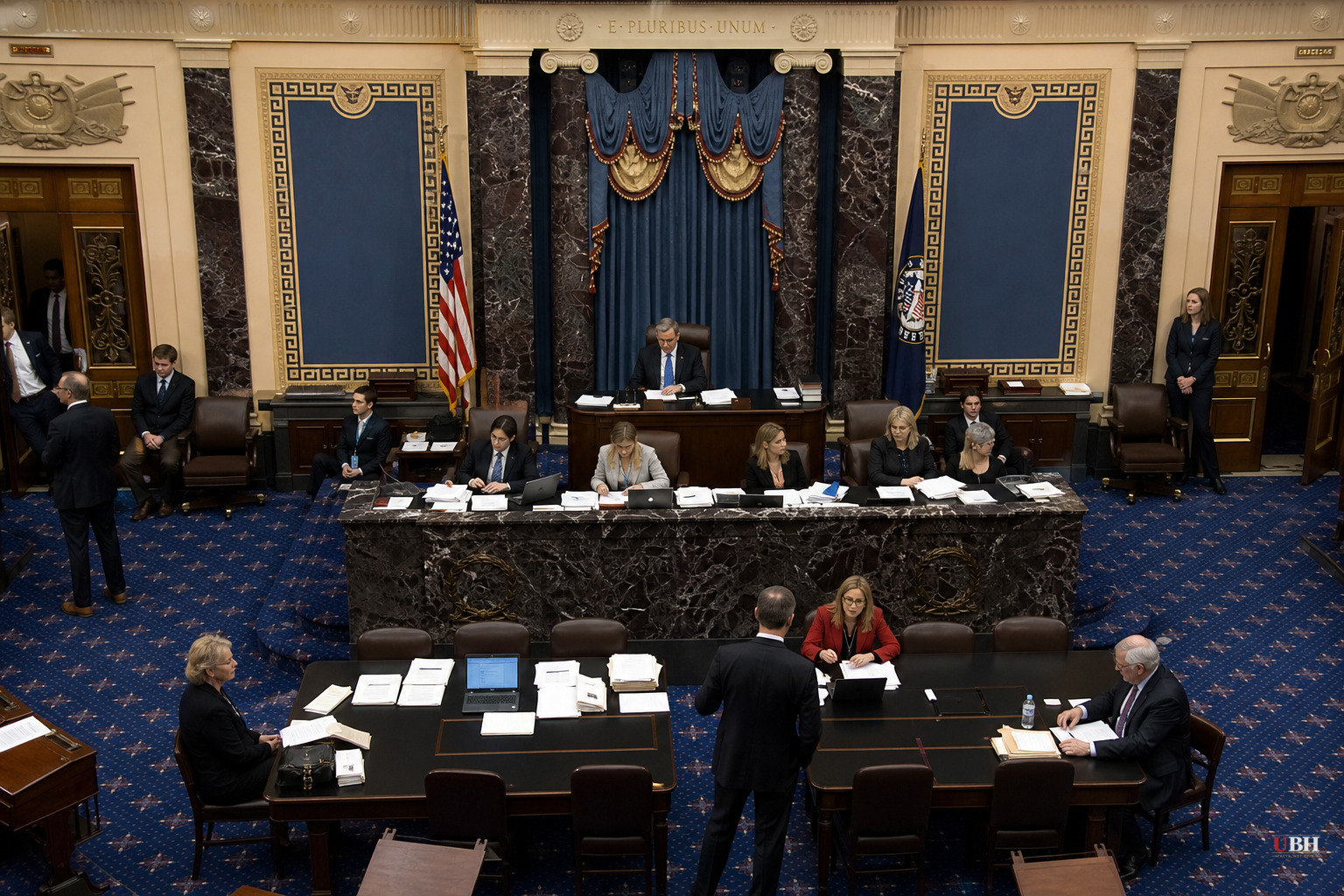
Since Senate Appropriations Chair Susan Collins and Vice Chair Patty Murray rolled out their bipartisan continuing resolution Sunday, the chamber has moved straight into voting mode. The Senate is set to hold its initial procedural vote Monday evening, according to the Daily Wire, with Majority Leader John Thune pushing to get the bill passed before senators leave town for August recess.
The math is simple. The bill needs 60 votes to clear the Senate, which means Thune can't do this with Republicans alone. That's why the final product looks different from what House Republicans passed last month on a party-line vote before their own recess.
What's actually in it
The CR keeps federal agencies funded at current levels through Dec. 11, according to both PBS and CBS News. It includes funding adjustments, called anomalies, for WIC nutrition assistance, disaster relief, national security programs and shipbuilding.
Two provisions stand out because they're not in the House bill. First, the Senate version blocks the administration from moving money allotted to the rest of Customs and Border Protection over to Border Patrol specifically. Murray said in a statement, reported by CBS News, that Border Patrol "desperately needs reform, not more money." House Appropriations Democrat Rosa DeLauro called the Senate bill "a clear improvement over the House Republican continuing resolution."
Second, the bill temporarily blocks a proposed Office of Management and Budget rule on federal grant approvals. Democrats argue that rule, as written, would let political appointees cancel grants more easily, which Murray's office described as taking "federal funding hostage." Republicans who back the CR say this is a temporary hold, not a permanent policy fight.
What got left out
Trump's $1 billion request for "Trump-class" battleships is not in the Senate bill, according to PBS.
Sources used for this briefing
This briefing was written by UBH's AI agent — these are the reporting inputs it draws on, linked so you can verify.


