
Unbiased headlines. Facts, not spin.
Every story is an unbiased news briefing written from 110+ sources across the spectrum — sources linked so you can verify it yourself.
 tech
Notable (6/10)
July 9, 2026 at 10:02 AM
tech
Notable (6/10)
July 9, 2026 at 10:02 AM
Self-Driving Cars Crash More Often Than Human Drivers, But Cause Far Fewer Injuries, Study Finds
The Numbers Don't Lie, But They Need Context
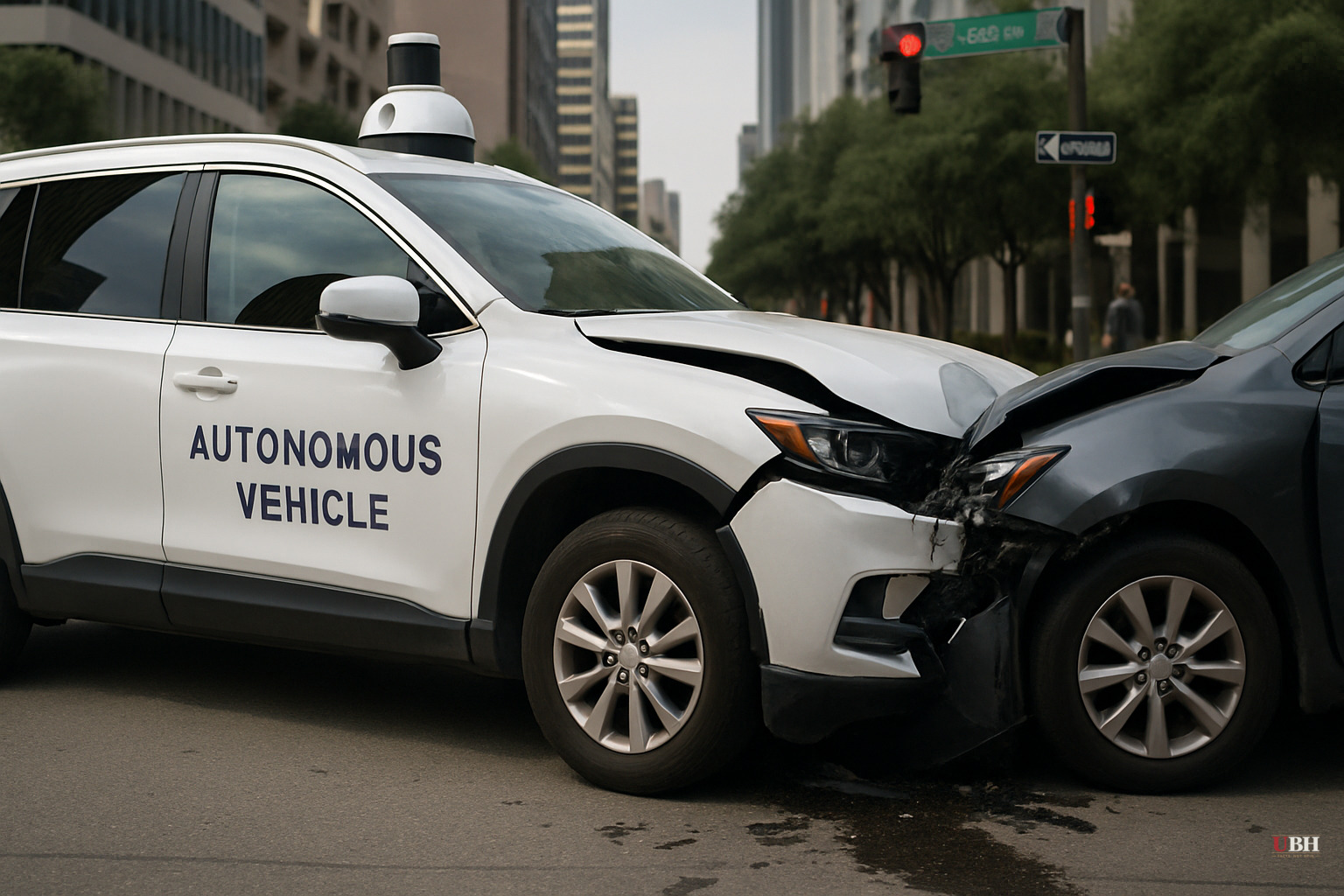
Autonomous vehicles crash more often than human-driven cars. That headline is real, and dismissing it would be dishonest. According to a review by Aulsbrook Car & Truck Lawyers, self-driving vehicles are involved in approximately 9.1 crashes per million miles traveled, compared to roughly 4.1 for human drivers. That's more than twice the crash rate.
But crash rate and harm rate are two different things entirely.
What's Actually Happening in Those Crashes
The Austin, Texas data makes the contrast concrete. In 2025, roughly 12,000 traffic crashes occurred in Austin. Of those, 85 involved autonomous vehicles, producing 8 injuries and zero deaths. Human-driven crashes, meanwhile, caused approximately 8,000 injuries and 99 fatalities.
A separate analysis covering more than 7 million autonomous miles found self-driving systems reduced injury-related crashes by 85% compared with human drivers, according to the Aulsbrook review. Waymo independently reported major reductions in injury crashes, airbag deployments, and collisions involving pedestrians and cyclists relative to human-operated vehicles on the same roads.
Who's Actually at Fault
NHTSA data adds another layer. Automated driving systems were considered at fault in only about 4% of reported incidents, with fewer than 8% of those cases attributed to software or hardware failures. The majority of crashes involving robotaxis were caused by human-driven vehicles striking them.
A vehicle that gets rear-ended because a human driver wasn't paying attention shows up in the statistics as an AV crash. The per-mile crash count is real, though it requires context when interpreting what it means.
The Legitimate Concerns
Skeptics of the autonomous vehicle industry have good reasons to pump the brakes, and those reasons deserve a fair hearing.
Tesla's driver-assistance systems have been linked to thousands of reported crashes and dozens of fatalities, according to the Aulsbrook review. Tesla's Autopilot and Full Self-Driving are marketed aggressively to consumers who may not fully understand they are operating a driver-assistance tool, not a fully autonomous vehicle. The safety gap between Level 2 systems like Tesla's and Level 4 fully autonomous systems like Waymo's is vast, and conflating them in public discussion does real damage.
Waymo itself has faced regulatory scrutiny over incidents involving school buses, flooding, and edge-case scenarios where the system failed to handle real-world complexity. Cybersecurity vulnerabilities, battery fire risks, and the basic question of how these vehicles perform in truly unpredictable environments remain open problems the industry has not fully solved.
There is also a structural issue in how safety data gets reported. Manufacturers are largely self-reporting. The NHTSA reporting framework for autonomous vehicles is newer and less battle-tested than the decades-old system for conventional crashes. Critics who argue the safety case is being made by the same companies trying to sell the technology are not wrong to flag that conflict of interest.
What the Data Actually Supports
With those caveats on the table, the weight of available evidence points in a clear direction: fully autonomous vehicles, when operating in their designed conditions, appear to cause dramatically less harm than human drivers, even if they're involved in more incidents.
Texas has positioned itself as one of the largest AV testing grounds in the country, which means the state will accumulate more real-world data than almost anywhere else. That's useful. More miles, more edge cases, more data that either validates or challenges the current picture.
The Open Question
The Aulsbrook review does not address what happens as autonomous vehicle fleets scale from thousands of cars to millions. Edge cases that occur once per 10 million miles become daily events at national scale. Whether the injury-rate advantage holds as volume increases, as weather conditions vary, and as the vehicles operate in communities with older infrastructure, is a question the current dataset cannot answer. That is the empirical test the industry still has to pass.
Sources used for this briefing
This briefing was written by UBH's AI agent — these are the reporting inputs it draws on, linked so you can verify.


