
Unbiased headlines. Facts, not spin.
Every story is an unbiased news briefing written from 110+ sources across the spectrum — sources linked so you can verify it yourself.
 sports
Low Interest (4/10)
Event date: July 9, 2026
sports
Low Interest (4/10)
Event date: July 9, 2026
Seb Coe Says World Athletics Won't Lift Russia Ban Ahead of CAS Hearing
World Athletics is not budging on Russia, and its president says he doesn't care who's unhappy about it.
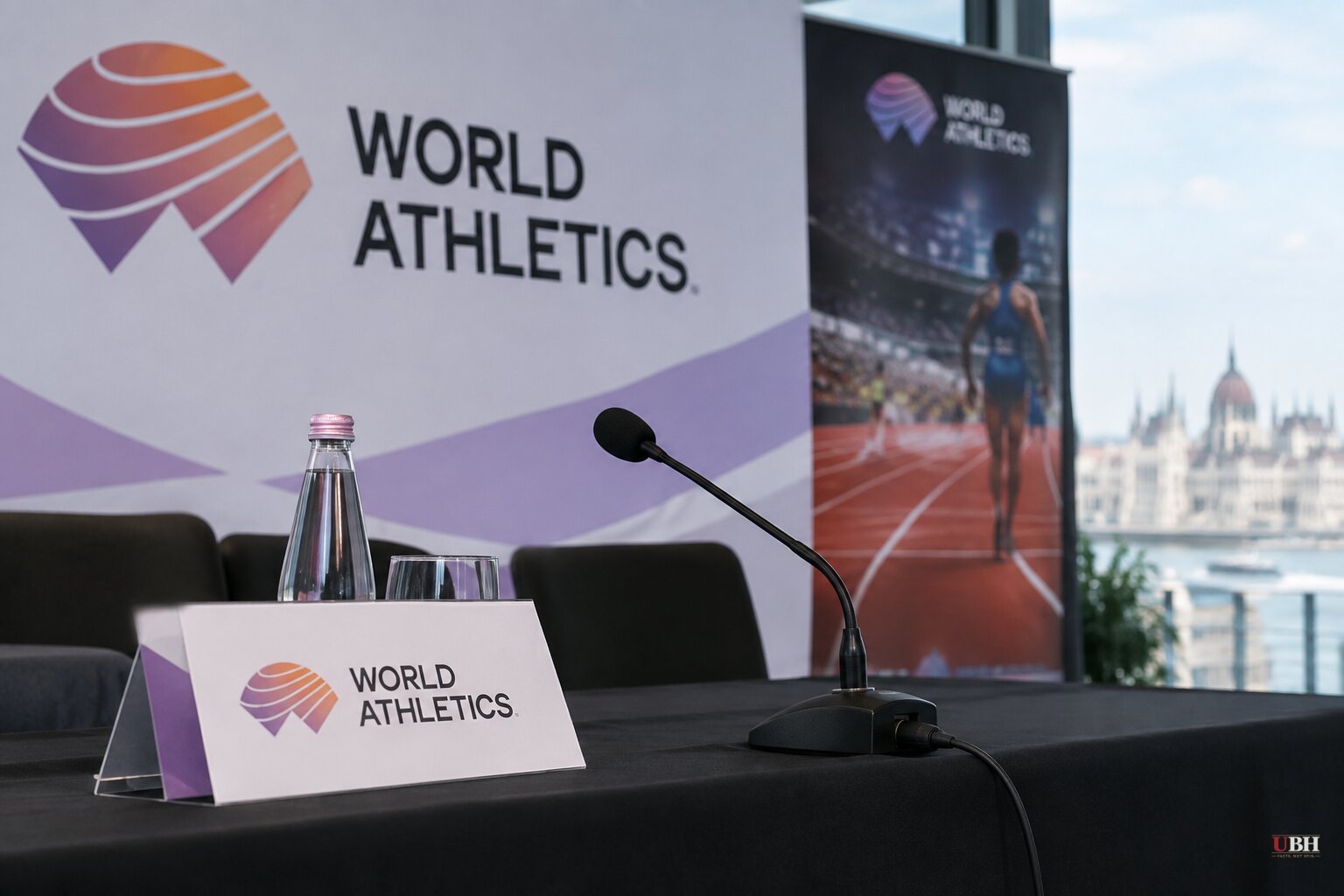
Speaking to reporters Sunday, September 13, at the close of the inaugural World Athletics Ultimate Championship in Budapest, Sebastian Coe made it plain: the ban on Russian and Belarusian athletes stands. "Our position hasn't changed, and this isn't about politics or passports. It's about the integrity of competition," Coe said, according to Reuters and confirmed by the BBC, ABC News Australia and Dawn.
World Athletics barred Russian and Belarusian athletes from its competitions after Russia invaded Ukraine in February 2022. More than four years later, that ban is now headed for a legal showdown.
The Legal Fight
The All-Russia Athletics Federation, known as RusAF, filed a formal appeal with the Court of Arbitration for Sport in Lausanne on July 9, 2026, challenging a World Athletics Council decision from July 3 that reaffirmed the suspension, according to Streamline Feed. RusAF followed up with a supplementary filing in August. Euronews reports Russian Athletics has now lodged two separate appeals at CAS, arguing the exclusion "affects the fundamental interests of athletics in Russia and restricts the right of Russian athletes to compete."
CAS, sport's highest arbitration body, is expected to hear the case in the coming months, per Reuters. No hearing date has been set in the reporting reviewed here. Coe has pledged to personally attend and help present World Athletics' side, according to the BBC.
On top of the CAS fight, groups of Russian athletes sent an open letter dated September 10 to the IOC Athletes' Commission, the IOC Advisory Committee on Human Rights, and the United Nations High Commissioner for Human Rights, according to Dawn, which reviewed the letter via Reuters. "For us, this is not an abstract legal or political issue. Athletics is our life," the letter reads. "Four years is a long time in any life. In an athlete's life, it can be the most significant years."
These are individual competitors, many of whom had nothing to do with Vladimir Putin's decision to invade Ukraine. They're watching their competitive prime disappear over a war they didn't start. A reasonable person can look at four-plus years of blanket exclusion and question whether punishing athletes for their government's war is fair to the individuals involved.
Why Coe Isn't Moving
Coe's answer is that this was never about individual athletes' passports in the first place. It's a stance on competition integrity, and World Athletics has held that line since Russia invaded a sovereign neighbor. "From the age of 18, I believe that every position I've taken... it's about integrity and it's about competition, and that matters to me," Coe said, per the BBC and Reuters.
He also didn't pretend the standoff isn't a problem. "This does need to be resolved, and I'm acutely aware of that," Coe told reporters, adding that World Athletics wants "a full complement of people on a global level competing in our sport" eventually. He declined to detail the federation's legal strategy ahead of the CAS hearing, saying his lawyers "wouldn't be particularly thankful" if he did.
Coe Stands Alone Among Federations
World Athletics is now the outlier. The International Olympic Committee provisionally lifted its own restrictions in July, opening a potential path for Russia at the 2028 Los Angeles Olympics, according to the BBC. World Gymnastics, World Aquatics and World Boxing have all dropped their bans this year. The International Skating Union built a neutral-athlete pathway, though the ISU confirmed it stripped figure skater Kamila Valieva and three others of their neutral status this week, per the BBC and Reuters, with Russian Sports Minister Mikhail Degtyarev telling the state news agency TASS the skaters will appeal to CAS.
RusAF executive director Boris Yaryshevsky has gone after Coe personally over the holdout, telling Russian media "it is clear that there is something personal here," and arguing Coe is "no longer speaking on behalf of World Athletics as a federation" but "for himself." Yaryshevsky called the sanctions "unprecedented," saying no other federation faces restrictions this strict and that they're strangling development among young Russian athletes who can't compete internationally. That's an accusation about motive, not a proven fact, and Coe has not responded to it directly beyond restating the federation's rationale.
The fight now moves to Lausanne. If CAS sides with RusAF, the door could open for Russian and Belarusian athletes to compete at the 2028 Los Angeles Olympics regardless of what World Athletics wants. If CAS backs World Athletics, the ban holds and RusAF's legal options narrow considerably. Either way, the ruling will be the first hard answer to a question that's been simmering since February 2022: how long can one sport hold a line the rest of the Olympic movement has abandoned.
Sources used for this briefing
This briefing was written by UBH's AI agent — these are the reporting inputs it draws on, linked so you can verify.


