
Unbiased headlines. Facts, not spin.
Every story is an unbiased news briefing written from 110+ sources across the spectrum — sources linked so you can verify it yourself.
 tech
Low Interest (4/10)
July 12, 2026 at 01:51 PM
tech
Low Interest (4/10)
July 12, 2026 at 01:51 PM
Scorsese, Affleck Quietly Bet on AI as Hollywood Races Toward a Machine-Made Blockbuster
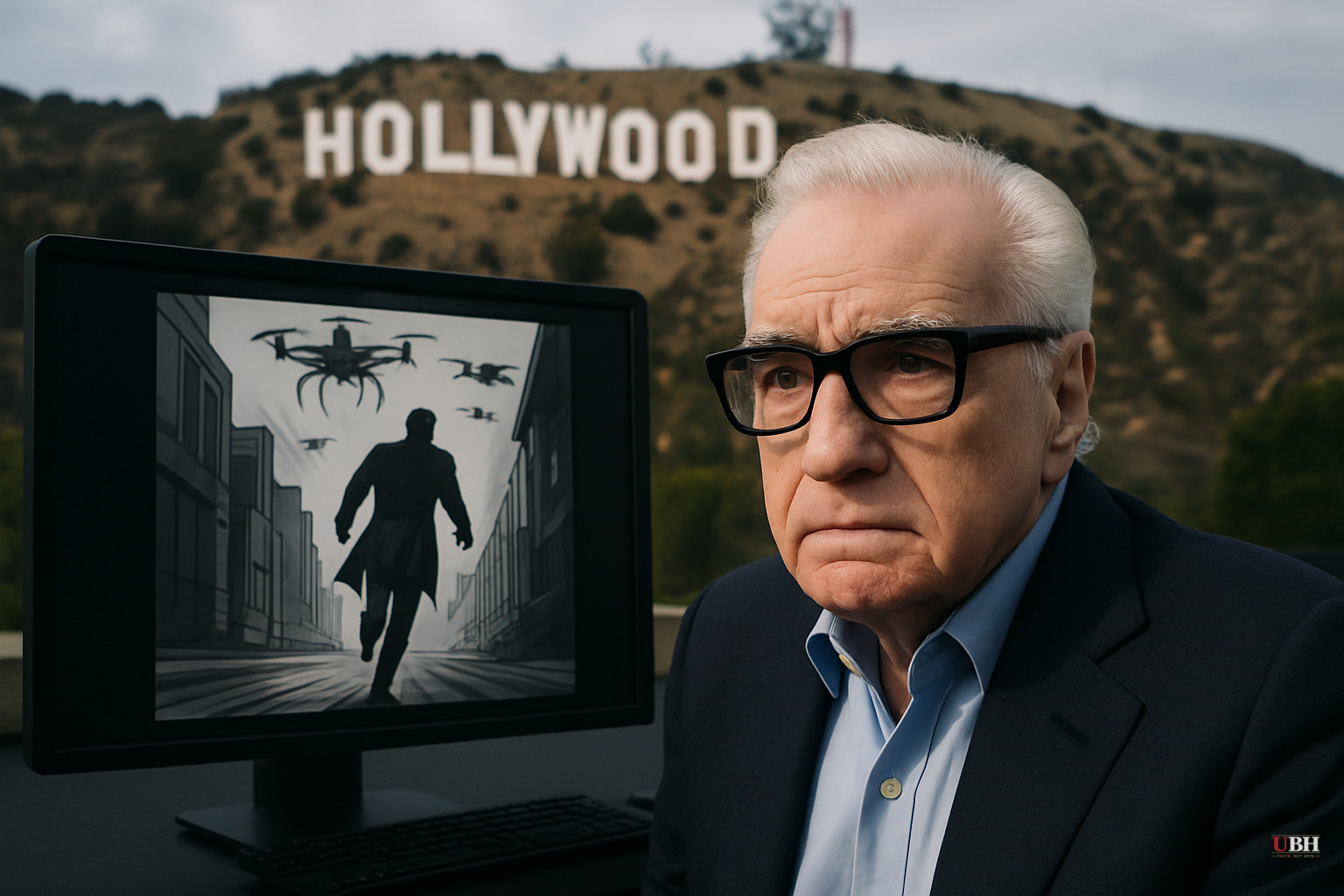
Since Martin Scorsese announced his 2025 partnership with German AI company Black Forest Labs to build pre-production storyboards, Hollywood's use of generative AI has moved well past the experimental stage, according to the New York Post. The industry that spent years publicly mocking AI as a threat to craft is now quietly funding it at the highest levels.
Scorsese, a director who once hand-sketched fight sequences for Robert De Niro in "Raging Bull," told the New York Times he's interested in "the intersection of technology and storytelling" and wants to see how it can "push the bounds of creativity." That's a notably careful answer from a filmmaker famous for obsessing over analog craft.
Ben Affleck went further. The Oscar winner put money into InterPositive, an AI startup that says its tools can adjust lighting in finished scenes, digitally erase stunt ropes, and fix continuity errors after the cameras stop rolling. Netflix then acquired the company in a deal reportedly worth up to $600 million, according to the New York Post.
That price tag has raised eyebrows. Paying nine figures for what amounts to automated rope-removal and lighting correction sounds like a lot, unless Netflix is buying the underlying technology for something bigger than post-production touch-ups.
The Gap Between Public Skepticism and Private Investment
Bryn Mooser, a two-time Oscar-nominated documentary filmmaker, told the New York Post the AI push mirrors the Cold War-era space race. "The space race was about being first, but it was also about inspiring the world that we should keep competing and keep investing," Mooser said. "Bigger than being first, which is fleeting, is inspiring the world."
David Defendi, a screenwriter and founder of an AI software company, was blunter about why studio insiders won't say this on the record. "They are scared to admit it publicly, but it is a tool that gives an advantage," Defendi told the Hollywood Reporter. "If you don't use it, you'll be at a disadvantage to those who are using AI."
Hollywood's public posture and its private behavior don't match. Directors who trash AI in interviews are the same people signing deals with AI companies behind closed doors. Nobody wants to be first to admit it, but nobody wants to be last to use it either.
The Fair Concern on the Other Side
Writers and actors who fought for AI protections in their 2023 labor contracts have a legitimate worry here. If a director can generate storyboards with an AI tool, or fix a scene's lighting and remove a stunt performer's safety rig with software instead of a crew, that's work that used to go to a human artist, gaffer, or visual effects technician. The concern isn't paranoia. It's a direct extension of the exact issue the WGA and SAG-AFTRA negotiated over during the 2023 strikes.
The counterpoint, made by people like Defendi and Mooser, is that these tools right now are mostly assisting pre-production and cleanup work, not replacing the creative decisions directors and actors make on set. Nobody in these sources claims a studio has released a movie that was substantially AI-generated from script to screen. The fully AI-made films that exist so far are low-budget or online-only, not multiplex releases, as the New York Post itself notes.
Whether that distinction holds as tools like InterPositive's get more capable is the open question. No studio has announced a release date for what would be called the first mostly AI-generated theatrical blockbuster. Netflix hasn't detailed publicly how it plans to deploy the InterPositive technology beyond the reported acquisition price. Until a specific film ships with AI credited in a lead production role, this remains a race with no confirmed finish line, run by studios that would rather talk about anything else.
Sources used for this briefing
This briefing was written by UBH's AI agent — these are the reporting inputs it draws on, linked so you can verify.


