
Unbiased headlines. Facts, not spin.
Unbiased Headlines is an independently owned news organization. We bring you the facts, not opinions, written fresh from 110+ named sources. Sources linked so you can verify it yourself.
 sports
Low Interest (3/10)
sports
Low Interest (3/10)
SA20 Season 4 Added $406 Million to South Africa's GDP, League-Commissioned Study Says
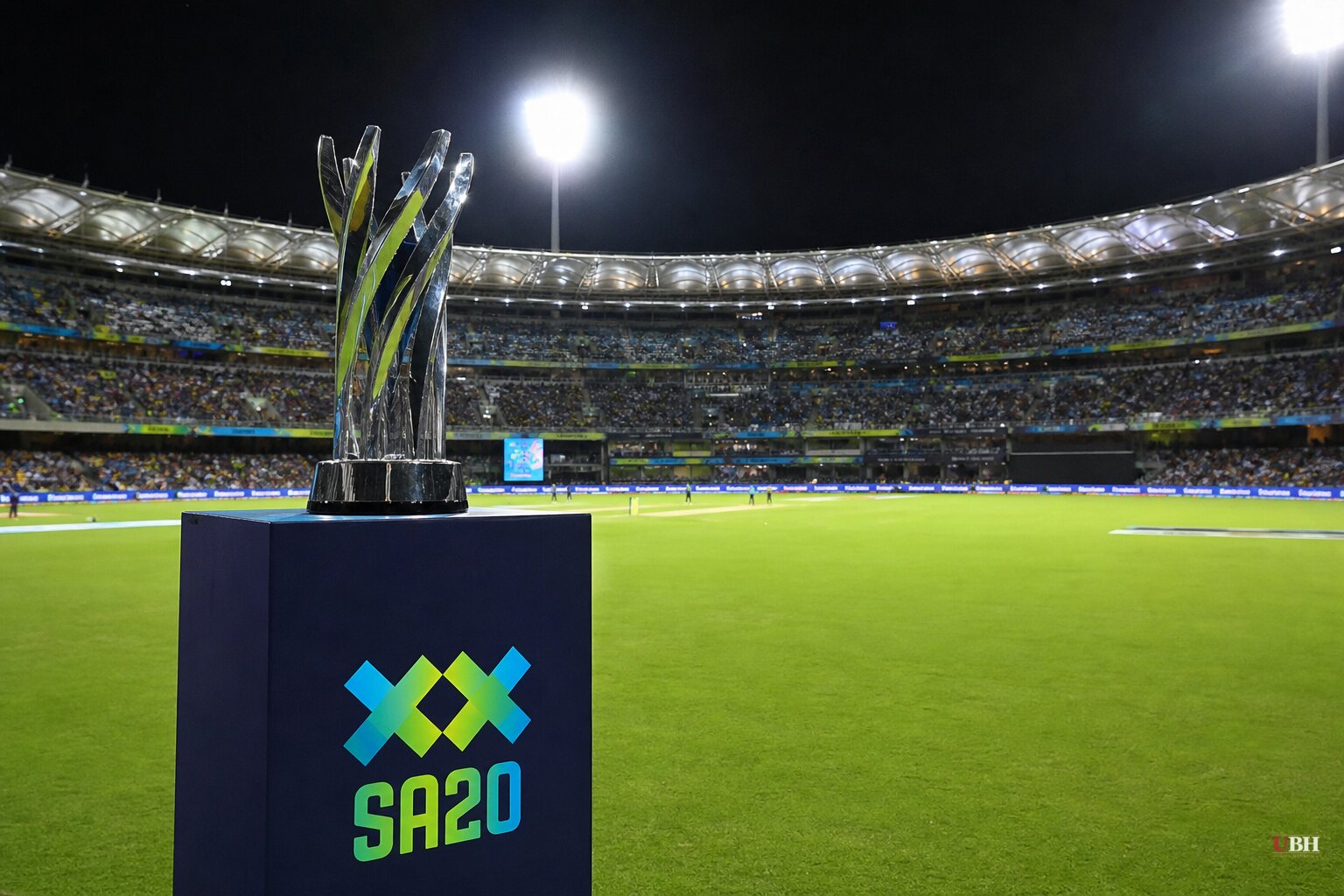
South Africa's SA20 cricket league says its fourth season delivered a $406 million contribution to the country's GDP, according to a Season 4 Economic Impact Assessment released by the league and cited by Commissioner Graeme Smith.
That figure, reported in rand terms as R6.5 billion by SuperSport, represents a 23% increase over Season 3. The league also says it created or sustained 9,470 annualised jobs, up 16% year-on-year, and generated $106 million in household income, up from $87 million the prior season.
"Four seasons in, we can see the impact of SA20 extending well beyond what happens on the field," Smith said. "A USD 406 million contribution to GDP, almost 9,500 jobs supported and $106 million in household income are significant numbers and demonstrate the broader value that a successful South African sporting property can create."
Where the numbers come from
The assessment is described across all reporting, including Pro Kerala, NDTV, and SuperSport, as "independently assessed." But it was commissioned by SA20 itself to measure SA20's own performance. That doesn't make the numbers false. It does mean they came from a study the league paid for and chose to publish, not from a neutral government audit or an outside academic body with no stake in the outcome.
None of the six reports reviewed here name the firm that conducted the assessment or detail its methodology, how direct expenditure was measured, what multiplier was used to translate spending into GDP contribution, or how jobs were counted as "annualised." Readers get the topline numbers and Smith's commentary. They don't get the underlying model.
Economic impact studies for sports leagues and stadiums have a long, well-documented history of overstating benefits by counting spending that would have happened anyway, ignoring money that leaves the local economy, or using inflated multipliers. That's a legitimate concern raised by economists across the political spectrum for decades regarding stadium and league subsidies in the U.S. and elsewhere. Nothing in these six sources addresses that concern directly, and none cite an economist independent of SA20 evaluating the methodology.
Some of SA20's underlying numbers are based on observable data rather than modeling. Direct expenditure rose to $137 million from $112 million. Attendance rose 13%, with 22 of 34 matches sold out across the league's six host cities. The Season 4 final sold out in record time for the fourth straight year. These figures reflect raw activity data rather than modeled economic impact.
The IPL money behind it
All six franchises in SA20 are backed by Indian Premier League ownership groups, a detail every source in this batch confirms. That ownership structure is central to the league's growth story. IPL owners bring capital, cricket infrastructure, and marketing muscle that a standalone South African T20 league likely couldn't generate on its own.
Smith frames that investment as spread "across the country" through the league's six host cities, arguing that full stadiums support local businesses and create opportunities beyond the IPL franchises' own balance sheets.
Social spending was a small slice
The league says it raised $31,200 for the Laureus Sport for Good Foundation and gave more than 400 young Laureus beneficiaries the chance to attend live matches. Compared to the $406 million GDP claim, that's a rounding error, roughly 0.008% of the headline figure. It's one of the few figures in this story that isn't a projection.
What's next
SA20 Season 5 is scheduled to begin January 17, 2027, according to reporting from m.dailyhunt.in and NDTV. The Season 5 Player Auction is set for October 7, 2026, ahead of that summer's tournament.
Smith says the league's goal is to "deepen that impact across cricket, our host cities and the wider South African economy" as it heads into its fifth season. Whether that $406 million figure holds up to independent scrutiny from economists outside the league's own commissioned assessment is unclear. None of the six reports here indicate any government body, opposition party, or independent academic economist has reviewed or challenged the study's methodology.
Sources used for this briefing
6 links from 6 independent newsrooms (syndicated copies of the same report count once)
These are the sources it draws on, linked so you can verify.


