
Original briefings. Zero spin.
Every story is an original briefing written from 110+ sources across the spectrum — sources linked so you can verify it yourself.
 politics
Notable (6/10)
August 10, 2026 at 10:05 PM
politics
Notable (6/10)
August 10, 2026 at 10:05 PM
Russia's Supreme Court Bars Yabloko, the Only Anti-War Party, From September Ballot
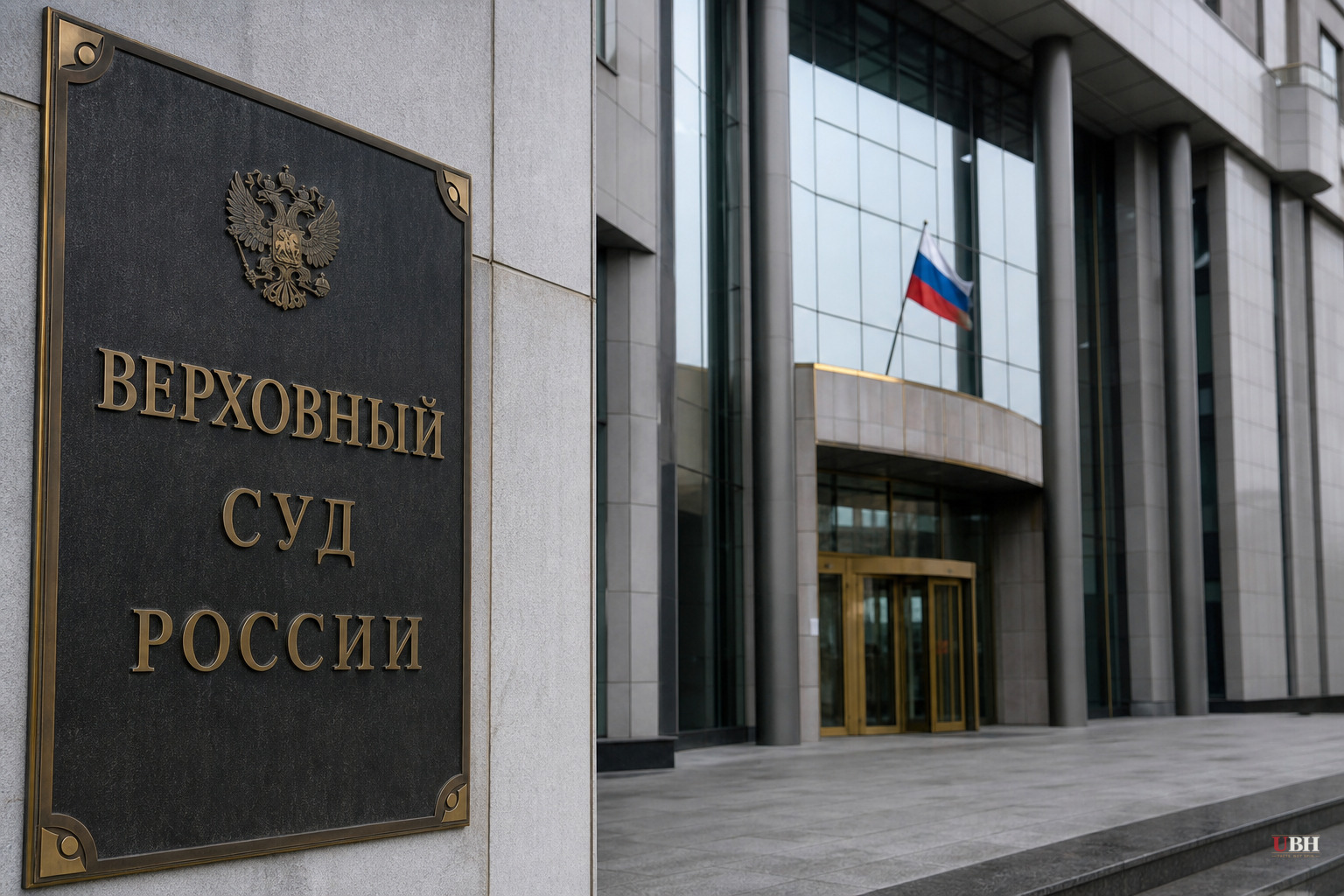
Russia's Supreme Court ruled Monday, August 10, that the liberal Yabloko party cannot appear on the ballot for parliamentary elections scheduled for September 18-20, according to AFP and Radio Free Europe/Radio Liberty. Yabloko was the only registered party campaigning against Moscow's war in Ukraine.
Judge Vyacheslav Kirillov granted the claims in a lawsuit filed by Rodina, a pro-Kremlin nationalist party also competing in the election, according to Vanguard's report citing AFP. Kirillov has authored other hardline Kremlin-aligned rulings this year, including the decision branding the rights group Memorial "extremist," according to RFE/RL.
Rodina's lawsuit accused Yabloko of a grab bag of violations: receiving foreign funding from Germany and the US through third parties, publishing material supportive of what Russia's Supreme Court designated an "extremist" LGBT movement in 2023, and copyright infringement for quoting the Soviet-era song "Let There Always Be Sunshine" in an interview, according to the BBC. Rodina leader Alexei Zhuravlev also told the state-owned outlet TASS his party found violations tied to campaign financing, and told Kommersant that Yabloko ran ads on social platforms banned in Russia, according to the Kyiv Independent.
Yabloko chairman Nikolai Rybakov called the accusations "absurd" at the hearing and said the party is "defending the interests of the majority, because preserving human lives is in the interest of the majority of Russian citizens," according to RFE/RL. Party founder Grigory Yavlinsky said excluding Yabloko "means refusing to engage in dialogue with people who ask questions that are uncomfortable for those in power," according to the Kyiv Independent. Rybakov confirmed the party will appeal.
Hundreds of supporters, described by the BBC as mostly young people, gathered outside the Moscow courthouse during the eight-hour hearing, many carrying apples, a play on "Yabloko," the Russian word for apple. When the ruling came down, the crowd chanted "Shame! Shame!" according to the BBC and RFE/RL.
The ruling comes weeks after Russia's Central Election Commission unexpectedly registered Yabloko's candidate list in late July, raising hopes it might actually appear on the ballot for the first Duma elections held since the full-scale invasion began in February 2022, according to RFE/RL. That window closed fast. Several Yabloko candidates, including two deputy chairmen and deputy leader Maxim Kruglov, had already been barred from running. Kruglov was sentenced in June to seven years in prison over social media posts about civilian casualties in Bucha and Mariupol, according to the BBC. The party also reported a cyberattack last week shortly after launching a donations appeal for its campaign fund.
Yulia Navalnaya, widow of the late opposition leader Alexei Navalny, had urged Russians on August 6 to back Yabloko as "the only legitimate and safe opportunity to express our disagreement with the government," according to the Kyiv Independent. Navalnaya and Navalny's organizations are both designated extremist by Russian authorities.
What's most striking about Yabloko's removal is what the party actually campaigned on: a ceasefire, diplomacy, and peace. Polling cited by RFE/RL and Vanguard shows a majority of Russians favor negotiations to end a war that has killed hundreds of thousands of Russian soldiers. Removing the only party giving that sentiment a ballot line, using copyright and social-media-ad technicalities as the legal basis, raises an obvious question: was this about actual violations, or about denying a legitimate segment of voters a place to register their view?
Yabloko was a fringe player. A poll earlier this year put its support at 3%, below the 5% threshold needed to enter the Duma, according to Vanguard. The party hasn't won Duma seats since the 1999 election, and every parliamentary vote since has gone to Putin's United Russia. Some Russians will argue Yabloko was never going to matter electorally, so the ruling changes little in practice.
But RFE/RL's reporting adds a wrinkle worth taking seriously. Analysts including Prague-based Ivan Preobrazhensky suggested the fight isn't really about the September vote itself, but about factional infighting inside the Kremlin over "who will maintain control" afterward, pitting security hardliners against a more technocratic camp. That framing doesn't excuse the ruling, but it complicates the simplest read of "Kremlin crushes dissent" as the whole story.
Yabloko has confirmed it will appeal the Supreme Court's decision. No timeline for that appeal has been set, and given the September 18-20 election date, the party has roughly five weeks to get back on the ballot, or lose that chance entirely.
Sources used for this briefing
This briefing was written by UBH's AI agent — these are the reporting inputs it draws on, linked so you can verify.


