
Unbiased headlines. Facts, not spin.
Unbiased Headlines is an independently owned news organization. We bring you the facts, not opinions, written fresh from 110+ named sources. Sources linked so you can verify it yourself.
 finance
Major Story (7/10)
Russian State-Backed A7 Processed 283 Tons of Cash Rubles Worth $14 Billion, ICIJ Finds, With Most Bound for China
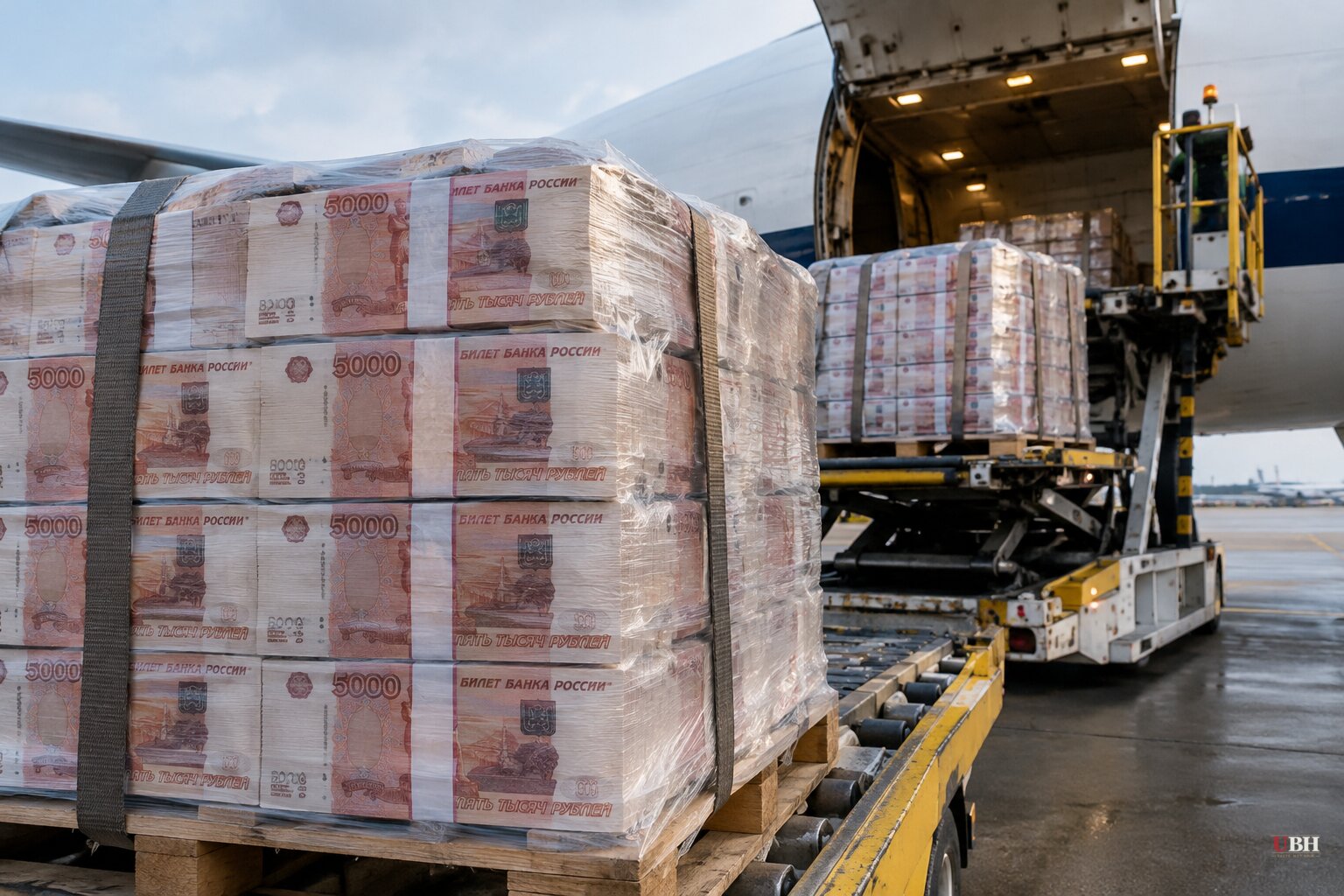
At the Sadovod market in southeast Moscow, a 160-acre sprawl of clothing, jewelry and appliance stalls, at least eight teams work apart from the crowds. Internal records call them "departments." Customers walk in carrying bags stuffed with rubles.
Those departments feed A7, a payments company backed by the Russian state. Between November 2024 and July 2025, A7 processed at least 283 tons of cash rubles, worth more than $14 billion, according to an investigation by the International Consortium of Investigative Journalists and the Russian independent outlet Proekt.
On Oct. 1, the U.S. Treasury sanctioned A7 as a "significant transnational criminal organization." Treasury said the firm "utilizes money laundering methodologies to fraudulently move vast sums of money in violation of sanctions and other laws in the jurisdictions in which it operates."
Cash in, China out
The ICIJ and Proekt reporting rests on leaked internal A7 records and people familiar with the matter. It found that a large share of A7's payments did not come from ordinary bank transfers by Russian clients. They came from hundreds of tons of physical cash.
Wholesale markets and other cash-heavy businesses around Moscow, Sadovod among them, supplied a significant share. The records show the source of that cash cannot be traced. The destination can: most of it is bound for China.
A7 did not respond to the consortium's requests for comment.
How the payments move
The mechanism is simple. A Russian importer pays A7 in rubles inside Russia and receives a bill of exchange, essentially an IOU. An A7-controlled company abroad then pays the foreign supplier in its own name. The Russian buyer never appears on the wire.
Treasury says A7's front companies operate in Hong Kong, Indonesia, Kyrgyzstan, the Seychelles, Turkey and the United Arab Emirates.
The Financial Times traced more than $6.9 billion through international banks. Its reporting found Russian exporters depositing foreign earnings in A7-linked accounts abroad and receiving rubles at home, and it found night-vision scopes invoiced as toughened glass. A7 also used an authorized London payments firm, though the FT did not establish whether that firm knew it was serving A7.
The New York Times, drawing partly on A7 records, traced a Russian firm's January 2025 purchase of electromagnetic-warfare components from Hong Kong. First Abu Dhabi Bank arranged payment to an account held by China's Zhejiang Chouzhou Commercial Bank at Bank of America. The American bank received transfer instructions with no purchase details. Its direct customer was the Chinese bank, not the Russian buyer.
The Bank of America fine
On Oct. 13, Treasury announced penalties totaling $1.21 billion against Bank of America. The bank admitted it "willfully violated" the Bank Secrecy Act by failing to maintain a compliant anti-money-laundering program, to conduct required due diligence on foreign correspondent accounts, and to file suspicious activity reports.
Treasury said the bank failed to report more than $5 billion in suspicious activity, including $1 billion that posed national-security and other illicit-finance risks. That included transactions that may have involved Chinese money-laundering networks and trade-based laundering linked to the U.S. southwest border.
The package includes a $750 million civil penalty from the Office of the Comptroller of the Currency, the largest in that regulator's history. The OCC said the bank had not fixed shortcomings identified in a 2024 cease-and-desist order and called its program "deficient and ineffective." Another $11.6 million went to the Office of Foreign Assets Control over 475 apparent violations.
Treasury said the bank prioritized revenue while building its compliance programs and leaned too heavily on inquiries from law enforcement and other financial institutions. In Treasury's words, that effectively outsourced a substantial part of its duty to detect and report suspicious activity.
The announcement did not mention A7. No source ties the Bank of America penalties to A7 transactions.
A7's defense and the policy dispute
A7 rejects the U.S. allegations. It says it "employs a modern, multi-tiered compliance system" and was "established to ensure uninterrupted settlements for the Russian market, which has been subjected to unlawful restrictive measures." The company adds that "all clients undergo screening to identify risks and prevent the servicing of individuals or organizations whose activities violate regulatory requirements."
A separate analysis in The Strategist, the publication of the Australian Strategic Policy Institute, raises a practical problem for enforcement. Knowing who holds an account does not reveal who is behind a payment. Without that, the analysis argues, banks may reject legitimate business while missing prohibited transactions. It calls for Washington to work more closely with financial supervisors in Asia and elsewhere to identify front companies.
The same analysis points to Reuters reporting from April 2024 that Russian firms kept paying Chinese suppliers through intermediaries in Kazakhstan and Kyrgyzstan after Chinese banks restricted payments over secondary-sanctions fears. Those routes added cost but kept trade flowing.
What is still open
The cash trail ends where Western visibility does. If the rubles enter the system untraceably in Moscow and settle in China, sanctions leverage depends on foreign banks and supervisors that Washington does not control.
Treasury has sanctioned A7 but has not said how it will pursue the Chinese and third-country institutions that handle its payments.
No charges against A7 or its executives have been announced.
Sources used for this briefing
3 links from 3 independent newsrooms (syndicated copies of the same report count once)
These are the sources it draws on, linked so you can verify.


