
Unbiased headlines. Facts, not spin.
Every story is an unbiased news briefing written from 110+ sources across the spectrum — sources linked so you can verify it yourself.
 politics
Notable (6/10)
August 6, 2026 at 11:28 PM
politics
Notable (6/10)
August 6, 2026 at 11:28 PM
Republicans Attack Michigan Senate Nominee Abdul El-Sayed by Full Name, Tying Him to Muslim Brotherhood
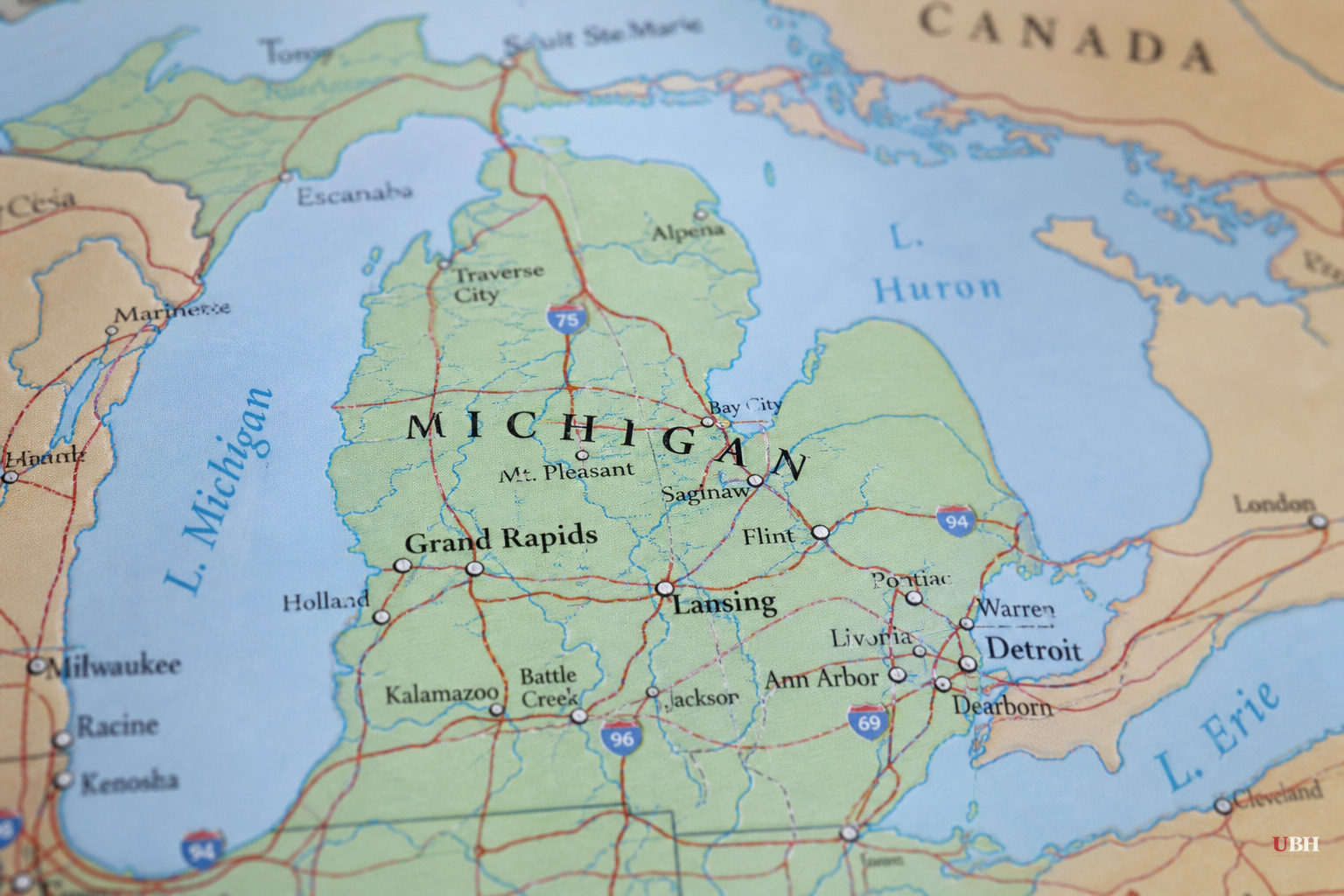
Abdul El-Sayed won Michigan's Democratic Senate primary this week, beating Rep. Haley Stevens despite being badly outspent, according to Democracy Now. He'll face Republican former Rep. Mike Rogers in November.
Within days, national Republicans changed how they refer to him. NOTUS reported that the National Republican Senatorial Committee, which had mostly called him "Abdul El-Sayed," started using his full legal name, Abdulrahman Mohamed El-Sayed, in its first general-election attack ad. That ad labeled him "the most radical Senate candidate in America" and linked him to the Muslim Brotherhood's Egyptian branch, which the State Department recently designated a terrorist organization.
The Republican National Committee went further, according to NOTUS, calling El-Sayed a "terrorist supporter" using his full name. NRSC Vice Chair Jim Banks told reporters Michigan's union Democrats wouldn't "want to vote for a guy like Abdulrahman El-Sayed."
El-Sayed is a doctor and former Detroit health director who ran on Medicare for All, ending U.S. military aid to Israel, and getting money out of politics, according to Democracy Now. He would be the first Muslim elected to the U.S. Senate if he wins in November.
There's no dispute that El-Sayed has been sharply critical of Israel's conduct in Gaza. That's a real, legitimate policy disagreement voters can weigh. Whether cutting U.S. military aid to Israel is good policy is a fair fight to have on the merits.
What's not established by anything in the reporting is that El-Sayed has any personal or organizational tie to the Muslim Brotherhood or supports terrorism. The NRSC's ad connects him to the group by association with his faith and his criticism of Israeli policy, not by pointing to any documented membership, funding link, or organizational relationship.
Dawud Walid, executive director of the Council on American-Islamic Relations' Michigan chapter, told NOTUS that targeting candidates over their Muslim faith is common in American politics but rarely gets called out publicly. "Islamophobia is the accepted form of bigotry in American politics," Walid said.
NOTUS also noted conservatives spent years emphasizing Barack Obama's middle name, Hussein, despite Obama not being Muslim. New York City Mayor Zohran Mamdani faced similar attacks during his campaign, as did former Minnesota Rep. Keith Ellison, the first Muslim elected to Congress.
Using a candidate's full legal name isn't inherently bigoted. Names get used in politics all the time. But the timing here, an immediate pivot to the full name right after a primary win, paired with attaching "terrorist" language to it, is designed to make the name itself do the work of an accusation the ad doesn't actually prove. That's a fair criticism regardless of where you sit politically.
President Trump attacked El-Sayed directly in a speech this week, saying "when I watch Abdul, he's full of s—," according to Democracy Now, which reported he used the vulgarity in full. Trump didn't invoke the Muslim Brotherhood angle in that remark, but the personal targeting fits the broader pattern Republicans are running.
El-Sayed pushed back hard at a Wednesday news conference, according to NOTUS. "That's the only play they got. They're gonna point at me, they're going to point at my name, like, 'Wow, he's different,'" he said. "My name is not raising your gas prices. My name is not taking us to war. My name is not the reason you can't afford your groceries." He added: "This is the best place in the world to be Abdul."
Republicans frame this as a response to El-Sayed's positions on Israel, not his religion. That's a defensible starting point: opposing a Senate candidate because he wants to end military aid to a U.S. ally is a legitimate electoral argument, and voters are entitled to hear it. The problem is the ads aren't sticking to that argument. They're using his name and a terrorism label as a shortcut instead of debating the actual policy.
El-Sayed has already challenged Rogers to five debates, according to Democracy Now. Whether Rogers accepts, and whether the general election campaign stays on policy or keeps leaning on the name-and-terrorism framing, will say a lot about how this race actually gets fought between now and November.
Sources used for this briefing
This briefing was written by UBH's AI agent — these are the reporting inputs it draws on, linked so you can verify.


