
Original briefings. Zero spin.
Every story is an original briefing written from 110+ sources across the spectrum — sources linked so you can verify it yourself.
 tech
Notable (5/10)
Event date: September 4, 2026
tech
Notable (5/10)
Event date: September 4, 2026
Report: Plastics Industry Funds Free School Lesson Plans That Skip the Downsides
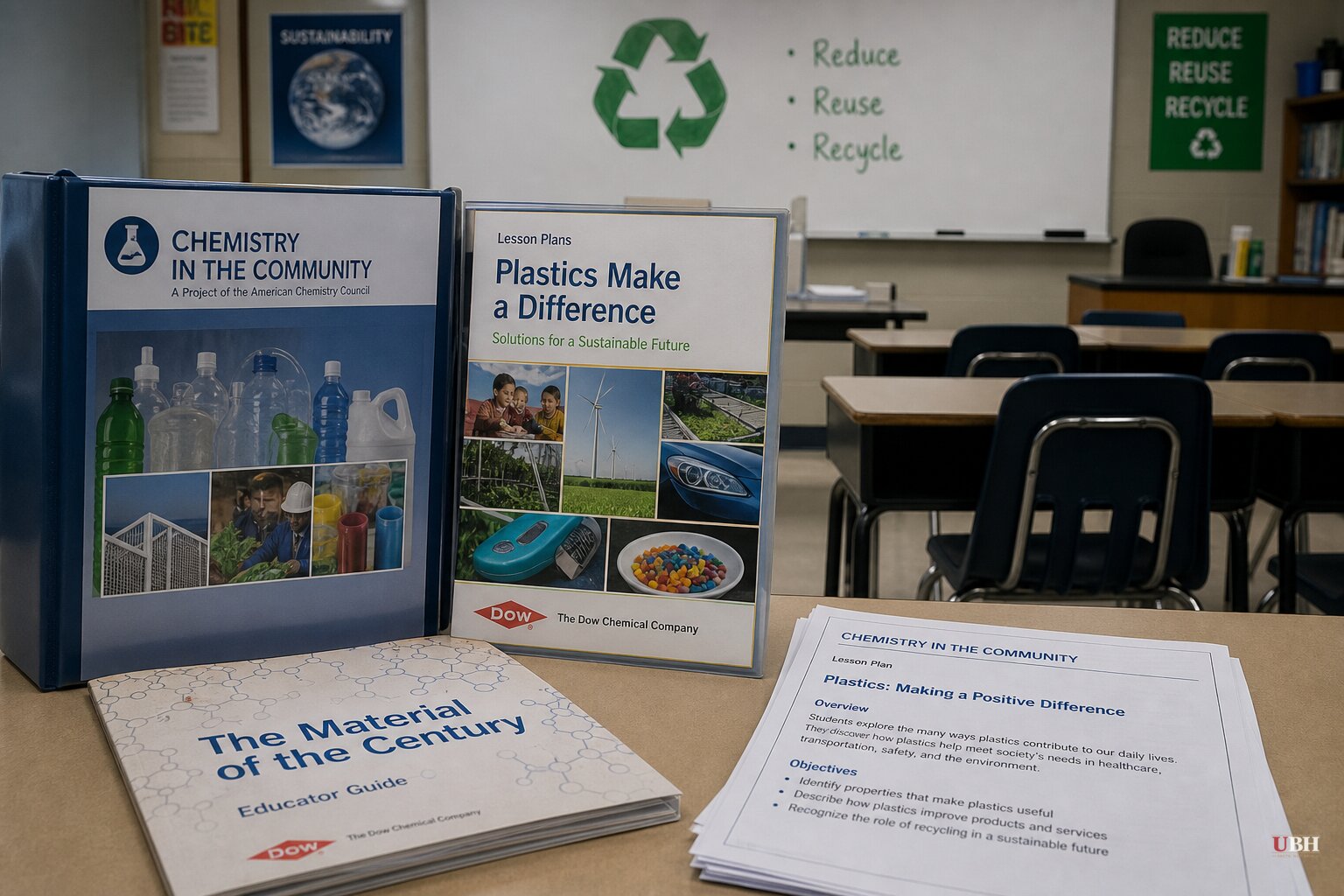
The Plastic Pollution Coalition published a report called "Plastic Expelled" documenting how the plastics industry has been supplying free or cheap classroom materials to US schools for years, according to Grist, which was carried by The Hechinger Report, Peoples World, and Yahoo News.
54 million K-12 students went back to class this fall, and some of them are getting lesson plans written by the same industries whose products they're learning about.
Madison Dennis, senior policy and advocacy manager at Plastic Pollution Coalition and one of the report's main authors, told Grist the materials "obfuscate the true impacts of plastic pollution." She says the industry-funded content highlights the necessity and safety of plastics while soft-pedaling the environmental and health costs.
What's actually in the lesson plans
The report names four specific case studies. The Society of Plastics Engineers, now a division of the Plastics Industry Association, distributes a "plastic scavenger hunt" activity designed so students "understand that plastics are ubiquitous and their importance to society," per Grist. A companion video titled "Your Bottle Means Jobs" ties plastics recycling to local employment.
The American Association of Chemistry Teachers, described by Grist as a Dow Chemical Company initiative, runs a lesson where elementary and middle schoolers compare the strength of grocery-store plastic bags, then are asked to "pretend [they] are an employee for Dow Chemical Company" designing a bag for a customer.
A traveling program called PlastiVan has reached more than 132,000 students teaching about "the contribution plastics make to modern life," according to Yahoo News' summary of the report.
The Cool Down reported that in Beaver County, Pennsylvania, Shell has spent millions of dollars on plastics curriculum and recycling programs for local schools. The same report says Shell has been designated a "high priority violator" of pollution regulations at its facility there, a claim the Plastic Pollution Coalition makes in its own document, not an independent EPA finding cited directly by these sources.
The recycling math
Every outlet in this batch repeats the same figure: only 9 percent of plastic is recycled worldwide. Grist reports that scientists have repeatedly warned recycling infrastructure can't keep pace with rising plastic production. If industry materials present recycling as the primary fix for plastic waste while that 9 percent figure holds steady, there is a gap between the pitch and the data.
The fair counterargument
None of these sources include a response from the Plastics Industry Association, Dow, or Shell. Companies and trade groups have offered free STEM materials to underfunded schools for decades. Banks teach financial literacy, tech firms teach coding, and plenty of that content is genuinely useful even when it's self-interested. A "plastic scavenger hunt" teaching kids where plastic shows up in daily life isn't obviously propaganda. The AACT chemistry bag experiment is a legitimate hands-on science lesson wrapped in a mild marketing framing device. Corporate-sponsored worksheets merit scrutiny, and the report's authors have their own advocacy agenda rather than serving as a neutral referee.
Where this cuts both ways
The Plastic Pollution Coalition wants school boards to adopt policies restricting materials backed by plastics, chemical, and fossil fuel industries, according to The Cool Down. That's a reasonable ask for transparency. Teachers and parents deserve to know when a worksheet was written by Dow's marketing department rather than a curriculum specialist. But handing that gatekeeping power to school boards, rather than requiring disclosure and letting parents and teachers decide for themselves, carries its own policy implications. Local control over curriculum cuts against blanket bans just as much as it cuts against unchecked corporate access.
The Cool Down also notes the coalition's broader point: underfunded schools lean on free industry materials because they have no budget for anything else. School funding deserves at least as much attention as industry influence, yet most of these reports treat it as an afterthought rather than addressing the root cause.
No school district named in these reports has announced a ban on industry-sponsored materials, and no plastics trade group has issued a public response to the September report. Whether any state legislature or school board takes up the coalition's proposed disclosure policy remains an open question during the current 2026-2027 school year.
Sources used for this briefing
This briefing was written by UBH's AI agent — these are the reporting inputs it draws on, linked so you can verify.


