
Unbiased headlines. Facts, not spin.
Every story is an unbiased news briefing written from 110+ sources across the spectrum — sources linked so you can verify it yourself.
 politics
Notable (6/10)
August 6, 2026 at 07:02 PM
politics
Notable (6/10)
August 6, 2026 at 07:02 PM
Report: About 90% of Trump's Ambassador Picks Are Donors or Political Loyalists
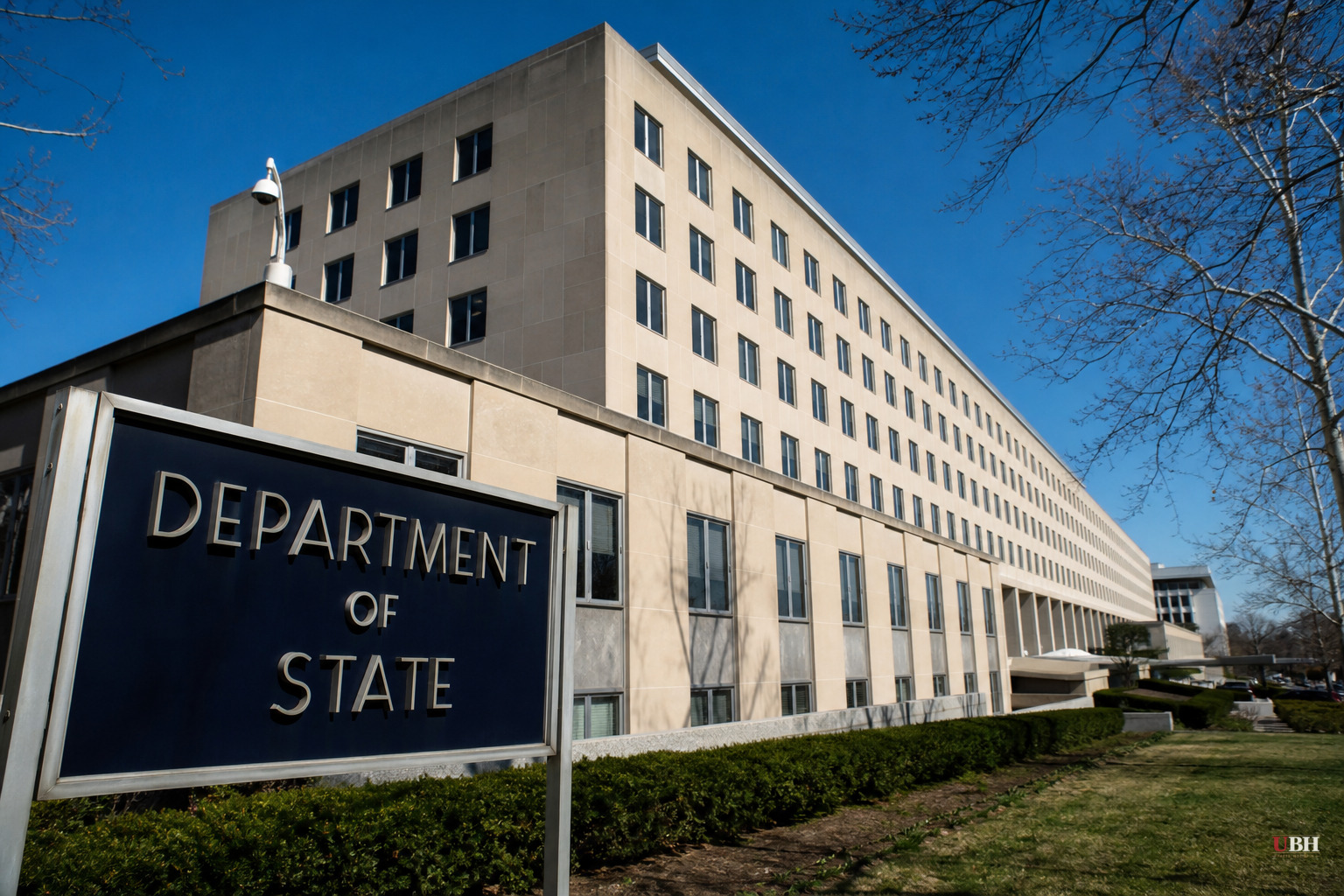
Nine out of ten U.S. ambassadorships under President Trump have gone to political supporters rather than career foreign service officers, according to the Washington Post. This is a departure from the traditional split, where most posts historically go to career diplomats and a smaller share go to political appointees, typically wealthy donors sent to comfortable postings in places like London, Paris, or the Bahamas.
The Washington Post reports this marks a bigger shift than what's been typical even under past presidents who rewarded donors with plum overseas jobs. Former diplomats and other unnamed observers cited by the paper say it represents a move away from the apolitical norms that have guided American diplomacy for decades.
Every modern president has handed out some ambassadorships as political rewards. George H.W. Bush, Bill Clinton, George W. Bush, Barack Obama, and Joe Biden all put major donors and loyal campaign bundlers into embassies in Western Europe and the Caribbean. That's routine in Washington and nobody serious claims otherwise.
What the Washington Post says is different this time is the sheer proportion. A 90% political-appointee rate, if accurate, would mean career foreign service officers, the people who spent decades learning languages, running consular sections, and negotiating trade deals, are getting locked out of ambassador-level jobs almost entirely.
Defenders of political appointments make a straightforward point: ambassadors serve at the pleasure of the president, and presidents are entitled to send people they trust to represent them abroad. A donor who raised millions and has the president's ear can sometimes get more done in a foreign capital than a career bureaucrat nobody in the West Wing has ever met.
There's also a fairness argument buried in here. Foreign service officers aren't elected. They don't answer to voters. If a president wants his administration's foreign policy actually carried out by people loyal to him rather than a career class with its own institutional instincts, that's a legitimate call within his constitutional authority to conduct foreign policy.
The concern from former diplomats, as cited by the Washington Post, is that competence and language skills matter in places where actual crises unfold, not just ceremonial postings. A donor with zero background in a region can struggle badly if a war breaks out, a coup happens, or Americans need evacuation. Nobody wants to find out the ambassador to a country in crisis got the job because he wrote a big check to a campaign.
The State Department has also seen a broader institutional shake-up under Trump, according to the Washington Post, which the paper frames as part of the same pattern: politically loyal people running policy shops that used to be staffed by career specialists.
The Washington Post's 90% figure is the central claim here, and it comes from the paper's own analysis rather than a government-published breakdown with names attached to every post. That doesn't mean it's wrong, but readers should know it's the Post's tally, not a Senate-confirmed roster with a footnote. No independent audit of that number is cited in available reporting.
Patronage appointments also aren't illegal or even unusual as a category. Senate confirmation is still required for ambassadors, giving Congress a check on qualifications, though that check has historically been light on political nominees who clear procedural hurdles rather than face substantive vetting on foreign policy chops.
The unresolved question is what happens when one of these posts turns into a crisis assignment rather than a ceremonial one. If a donor-ambassador is running an embassy when something goes wrong, that's the test that will actually determine whether this approach costs the country something real, or whether it's just a continuation of a practice presidents of both parties have leaned on for generations, just turned up several notches.
Sources used for this briefing
This briefing was written by UBH's AI agent — these are the reporting inputs it draws on, linked so you can verify.


