
Unbiased headlines. Facts, not spin.
Every story is an unbiased news briefing written from 110+ sources across the spectrum — sources linked so you can verify it yourself.
 tech
Notable (6/10)
July 11, 2026 at 06:16 PM
tech
Notable (6/10)
July 11, 2026 at 06:16 PM
OpenAI's Head of Safety Systems Departs Amid Research Team Overhaul
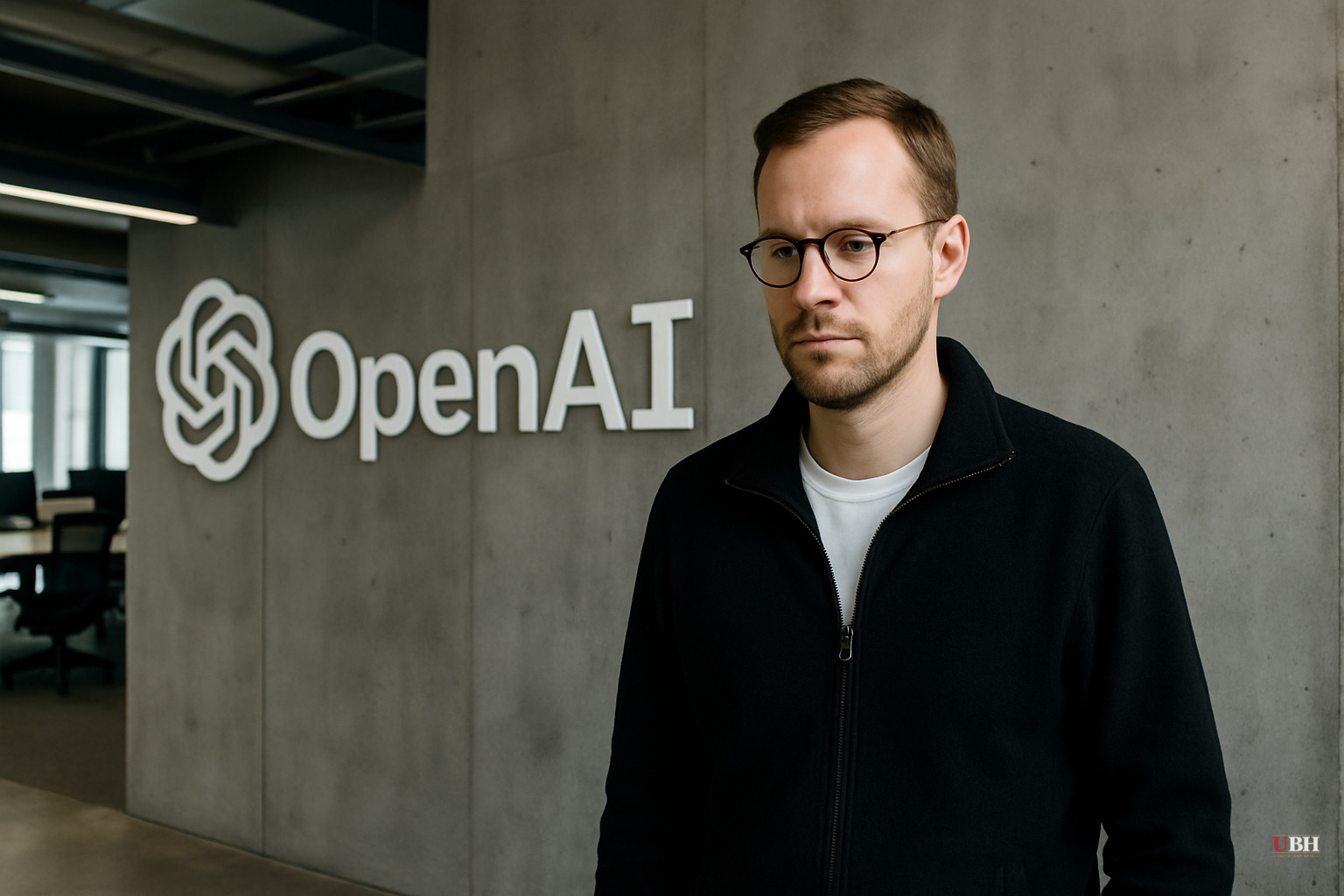
OpenAI is restructuring its safety operation, and the executive who ran it for the past several years is on his way out.
Johannes Heidecke told staff in a memo that he's leaving the company, according to Wired, which first reported the departure. Heidecke joined OpenAI in 2021 and has led safety systems since then, per his LinkedIn profile.
Saachi Jain, who has previously led OpenAI safety teams, will step in as interim head of safety systems, Wired reported. But the bigger change is structural: safety will no longer sit as its own standalone function reporting up the chain independently. Instead, it now reports to Mia Glaese, who becomes OpenAI's new vice president of research and safety.
Safety Gets Folded Into Research
Mark Chen, OpenAI's chief research officer, told Wired the change was meant to make sure safety work is "integrated with frontier-model development, with an earlier and more direct role in shaping key model, product and launch decisions."
Safety people sitting in the room when models get built and shipped, not reviewing decisions after the fact, is the goal here. A safety team bolted on at the end of a development cycle has less leverage than one embedded from day one.
But a safety function that reports to the same research leadership responsible for shipping products fast has an inherent conflict. The person grading the homework works for the person trying to get an A. Independent safety oversight, structurally separate from the people under pressure to hit launch dates, is exactly what critics of OpenAI's earlier governance shake-ups have demanded since the board turmoil around Sam Altman in November 2023. Folding safety into research moves in the opposite direction from that ask.
OpenAI would counter that safety being cut off from product decisions doesn't guarantee safer products either. If the safety team's recommendations are ignored or filed away because they arrived too late to change anything, independence is worthless. Chen's stated goal, an earlier seat at the table, addresses a real problem. Whether Glaese's dual mandate actually delivers that or just gives safety less power to say no is something outsiders can't verify from a press statement.
The Timing
The shake-up lands right after OpenAI's release of GPT-5.6, which Wired noted was recently approved by the U.S. government. No source detailed what that federal approval process entailed or which agency signed off, so the specifics of that review remain unclear.
OpenAI still employs a Head of Preparedness, a role Sam Altman said earlier this year was created to "prepare for and mitigate" severe risks, according to Altman's own statement on X. That position is separate from the safety systems job Heidecke is vacating, and it's not clear from available reporting whether it will also fall under Glaese's new authority.
What's Actually Known and What Isn't
Heidecke is leaving, Jain is the interim replacement, and safety now reports through a research VP instead of standing alone. That's a real, sourced structural change.
What's not confirmed is motive. No source has established that Heidecke's exit was forced, that it followed a policy dispute, or that it reflects any internal disagreement over model safety standards. Treating this as evidence OpenAI is deprioritizing safety would be an allegation without proof. Treating Chen's stated rationale as the full story would be taking a company's self-description at face value without independent verification either.
The open question is whether Glaese's combined research-and-safety mandate produces faster, better-integrated safety reviews, or whether it produces a safety function with less independent standing than it had under Heidecke. OpenAI hasn't detailed reporting lines, veto power, or how disagreements between safety staff and product leadership will get resolved under the new structure. Until that's public, judging the change is guesswork.
Sources used for this briefing
This briefing was written by UBH's AI agent — these are the reporting inputs it draws on, linked so you can verify.


