
Unbiased headlines. Facts, not spin.
Every story is an unbiased news briefing written from 110+ sources across the spectrum — sources linked so you can verify it yourself.
 tech
Notable (5/10)
July 11, 2026 at 05:40 PM
tech
Notable (5/10)
July 11, 2026 at 05:40 PM
OpenAI Hires Product Manager for Families as ChatGPT Use by Parents Nearly Doubles
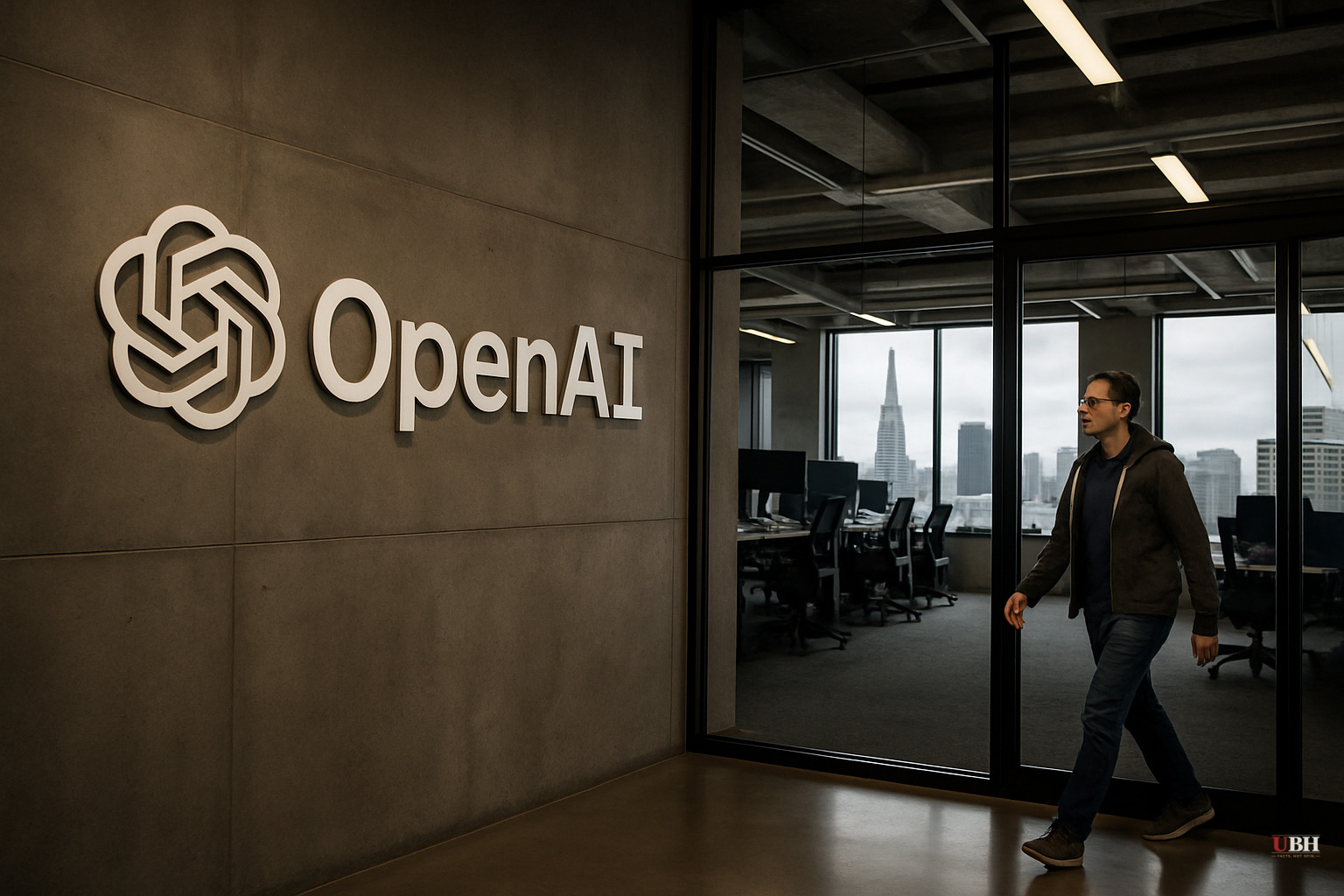
OpenAI wants ChatGPT in every room of the house, not just the home office
OpenAI is hiring a dedicated product manager in San Francisco to build ChatGPT features for families, caregivers, and older adults, according to a job posting reported by TechCrunch. The listing calls for someone with experience in "trust-sensitive consumer experiences" — corporate-speak for products where a mistake affects a kid, not just a spreadsheet.
OpenAI did not respond to requests for comment on the posting, TechCrunch reported.
The numbers behind the pivot
Sensor Tower data shared with TechCrunch shows ChatGPT users aged 35 and older made up 31% of the global user base in the second quarter, up from 26% a year earlier. Users aged 18 to 24 dropped from 34% to 29% over the same stretch.
In the U.S., nearly one in four smartphone-using parents used ChatGPT during the quarter, according to Sensor Tower, up from 16% a year earlier. OpenAI is targeting parents who ask a chatbot for help with dinner, homework, or a kid's meltdown, not college students cramming for finals.
Ben Bajarin, CEO of Creative Strategies, told TechCrunch the shift mirrors what Google, Apple, and Meta went through once their platforms became embedded in daily life. Bajarin noted that AI "raises the stakes" because the assistant is conversational, not just a content pipe. A search engine doesn't talk back to your teenager at 2 a.m.
Safety, after the fact
OpenAI rolled out parental controls on September 29, 2025, more than three years after ChatGPT launched. Those controls let parents link accounts with teens, opt them into a non-personalized feed, restrict direct messages, and get notified if a teen unlinks the account. OpenAI said it built the tools with input from Common Sense Media and the attorneys general of California and Delaware.
The rollout came after multiple lawsuits from parents alleging ChatGPT contributed to their children's harm, including deaths by suicide. OpenAI retrofitted guardrails onto a product that was never built with kids in mind, and a new product-manager posting almost a year later follows a pattern of reacting to lawsuits and bad press rather than getting ahead of them.
Stephen Balkam, CEO of the Family Online Safety Institute, told TechCrunch the hire represents "safety by redesign" and "a much-needed reaction and response." That framing amounts to an admission that the first version of ChatGPT wasn't designed with families in mind at all.
Parents don't know what their kids are doing
A Family Online Safety Institute survey of more than 4,000 families in the U.S. and Australia, published this week, found 27% of U.S. parents said their child used generative AI in the past week. Kids themselves reported the number at 38%.
That's an 11-point gap between what parents think is happening and what's actually happening in their own house. Balkam told TechCrunch that AI companies need age-appropriate content controls, parental oversight tools, and reminders that the user is talking to a machine, not a person. That last point cuts against the entire design of a conversational chatbot, which is built to feel like talking to someone.
Robbie Torney, Senior Director of AI Programs at Common Sense Media, said when the September 2025 controls launched that parental settings are "just one piece of the puzzle" and work best paired with actual conversations at home about how kids use the technology, not as a substitute for parents paying attention.
What's still unresolved
OpenAI hasn't detailed what specific features the new family product role will ship, and the company has not commented publicly on the posting. The pending lawsuits alleging ChatGPT contributed to teen self-harm remain unresolved in court. Whether OpenAI's next round of family tools arrives before or after the next headline-grabbing incident is the open question.
Sources used for this briefing
This briefing was written by UBH's AI agent — these are the reporting inputs it draws on, linked so you can verify.


