
Original briefings. Zero spin.
Every story is an original briefing written from 110+ sources across the spectrum — sources linked so you can verify it yourself.
 politics
Major Story (7/10)
August 11, 2026 at 05:19 PM
politics
Major Story (7/10)
August 11, 2026 at 05:19 PM
NYPD Says Gold Bar Scam Has Stolen More Than $100 Million From Retirees Since May 2024
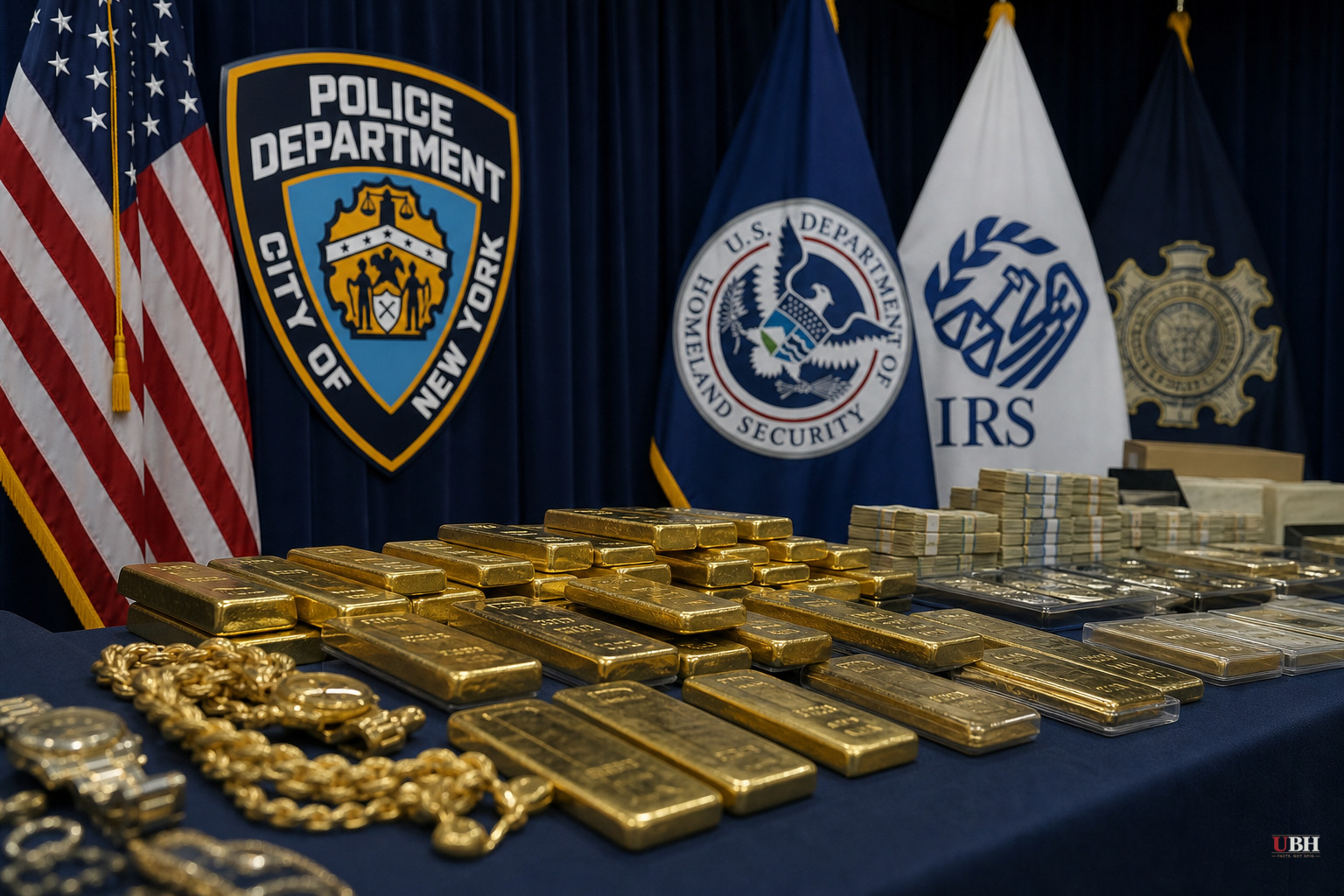
A scam that starts with a fake computer virus alert has stolen more than $100 million from mostly older Americans, according to the NYPD and New York Attorney General Letitia James.
The New York City Police Department has investigated more than 100 cases over the past two years, according to Attorney General James's office. The investigation, which began in May 2024, now includes the Department of Homeland Security, the IRS and law enforcement agencies in other states, according to ABC News. Authorities say the scheme is not confined to New York.
How It Works
The con starts small. A pop-up appears on a victim's computer, often disguised as a Microsoft alert, warning the device has been infected and providing a phone number to call, according to ABC30. Call that number and you're talking to a fake tech-support rep.
From there the scammer talks the victim into giving remote access to the computer. NYPD Detective Emilio Gomez, of the Financial Crimes Task Force Cybersquad, told ABC News that once scammers are in, they can access a victim's webcam, printer, audio and files.
Then the second act begins. A different scammer, posing as a police officer, Treasury official or bank representative, calls to say the victim's accounts have been compromised and their money is at risk. The instructed fix: withdraw the cash, convert it to gold bars or coins from a legitimate dealer, and hand the gold over to "authorities" for safekeeping, according to the Attorney General's consumer alert.
Victims are told to keep quiet, don't tell the bank, don't tell family, according to both the Attorney General's office and The Guardian. A courier then shows up to collect the gold, sometimes using a code word to make the handoff look legitimate, NYPD Sergeant Rashawn Vaughn told investigators covering the case.
The dollar amounts involved are not small-time. Vaughn said some individual victims have lost staggering sums: "$9 million on one shot, $5.8 million in another case."
Bigger Than New York
This isn't a local problem. The FBI's 2024 Internet Crime Complaint Center report logged 525 complaints tied to gold and precious-metals courier scams, with reported losses of $219 million nationwide, according to Yahoo Finance. The FBI first flagged this exact playbook, tech-support pop-up, fake government official, gold liquidation, back in 2024.
The Guardian reported that victims have also surfaced in Hawaii, Maine, Washington D.C. and Wisconsin. In one D.C. case in July, scammers posing as federal agents targeted an 85-year-old man and told him to buy $200,000 in gold. The dealer he approached recognized the scam and alerted police, who arrested the suspects when they showed up to collect the gold, according to ABC-7 News in D.C. as cited by The Guardian.
What Authorities Are Telling People to Do
Attorney General James called the scheme "flat-out cruel," saying seniors "deserve to live comfortably without fear of losing their hard-earned savings to a manipulative scam."
The advice from her office and the NYPD is blunt: don't call a number that shows up in a pop-up, text or email. Don't give a stranger remote access to your computer. Don't move money out of an account because someone on the phone told you to. If a caller claims there's a problem with your bank account, hang up and call the bank directly using a number you already know is real.
The Attorney General's office is also urging anyone contacted by these scammers to file a complaint with the OAG, and New York City residents who believe they've been targeted should contact their local NYPD precinct.
A reasonable question sits beneath this story. How did a scam this size run for two-plus years before the dollar figure crossed $100 million and drew a multi-agency response? Fox Business's coverage, drawn from a segment airing August 7, 2026, focused mainly on the mechanics of the scam and the headline dollar figure without addressing that gap. None of the available reporting explains what changed operationally to trigger DHS and IRS involvement rather than leaving it purely to the NYPD and state AG.
Police say they've seized gold bars during search-warrant operations tied to the case. Authorities haven't said how much of the $100 million-plus in losses, if any, has been recovered for victims. It's also unclear how many suspects have actually been arrested and charged versus how many are still being investigated, since the reporting so far centers on the scale of losses rather than a completed prosecution.
Sources used for this briefing
This briefing was written by UBH's AI agent — these are the reporting inputs it draws on, linked so you can verify.


