
Unbiased headlines. Facts, not spin.
Every story is an unbiased news briefing written from 110+ sources across the spectrum — sources linked so you can verify it yourself.
 tech
Notable (6/10)
July 21, 2026 at 10:36 PM
tech
Notable (6/10)
July 21, 2026 at 10:36 PM
Nvidia Pitches Vera Rubin as a CPU Play, Not Just Another GPU
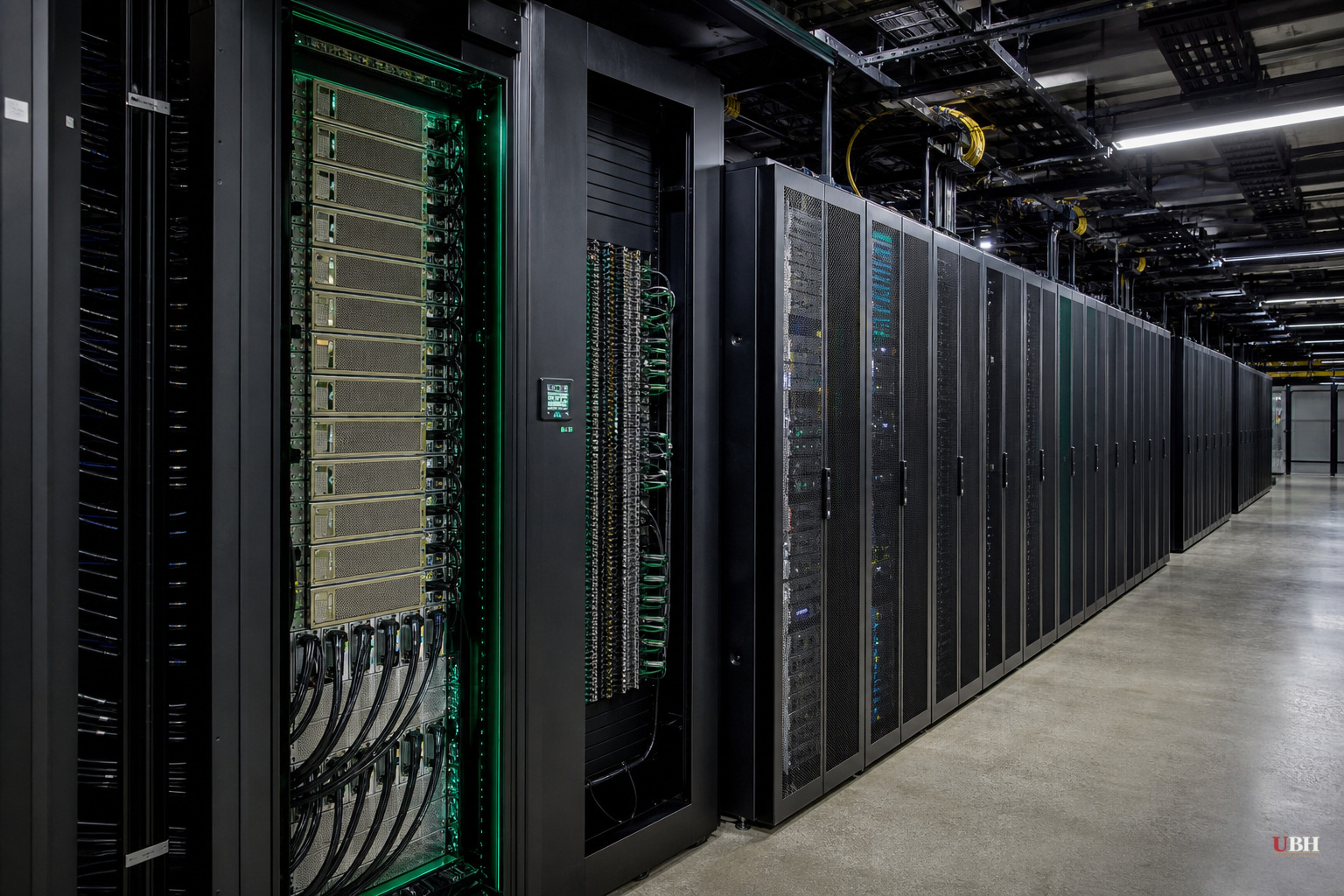
Nvidia spent last week showing off its new Vera Rubin chip system to a small group of reporters at company headquarters in Santa Clara, California, ahead of AMD's annual product event scheduled for Thursday in San Francisco, according to Wired.
The headline isn't just faster chips. It's a strategic pivot. Nvidia has built its empire on GPUs, the workhorse processors that train and run AI models. Now it wants a piece of the CPU market too, the chips that handle data flow, networking, and the orchestration work behind increasingly complex AI agents, Wired reported.
What Vera Rubin Actually Is
Vera Rubin is Nvidia's successor to its Grace Blackwell superchip system. The design pairs one CPU for every two GPUs. A single Vera Rubin NVL72 system packs 36 Vera CPUs alongside 72 Rubin GPUs, all crammed into a liquid-cooled rack that Nvidia executives described as far more "plug-and-play" than earlier hardware generations, per Wired's reporting.
Nvidia is also selling the Vera CPU on its own, separate from the bundled system. Wired reported Nvidia has told customers in China these standalone CPUs could be ready as soon as August, though that timeline has not been independently confirmed elsewhere.
OpenAI already has one Vera Rubin rack running, according to Nvidia executives who gave Wired a brief tour of a company data center lab in Silicon Valley. OpenAI is one of Nvidia's largest and most closely watched customers.
Nvidia's Pitch: Buy the Whole Rack
Ian Buck, Nvidia's longtime vice president of accelerated computing and the architect behind the company's CUDA software platform, led the briefings in place of CEO Jensen Huang. Huang was in Japan last week announcing new AI-and-robotics partnerships with Japanese firms, Wired noted.
Buck's message to reporters was blunt: "We're on a road map to crank out new architectures, not just GPUs but CPUs. We're going to keep innovating, because it's do this or die in Silicon Valley."
It's Nvidia stating plainly that it intends to own more of the AI data center stack, not just sell components into it. The company that already dominates AI training hardware wants to be the default choice for the CPUs orchestrating those systems too.
Why This Matters for Competitors and Customers
Nvidia's move into CPUs puts it in more direct competition with chipmakers like Intel and AMD, both of which have their own CPU lines that data center operators currently mix and match with Nvidia GPUs. If Nvidia succeeds in selling bundled Vera Rubin racks as the default AI infrastructure package, it narrows the market for standalone CPU suppliers trying to sell into the same buildouts.
For AI companies and cloud providers, that's a tradeoff to consider. A single-vendor, integrated system can mean less compatibility headache and faster deployment, which is presumably why Nvidia is emphasizing the "plug-and-play" angle. But it also means deeper dependency on one company for a bigger share of the infrastructure bill. Enterprise buyers who prefer sourcing CPUs and GPUs from different vendors, whether for cost negotiation leverage or supply chain diversification, may find Nvidia's bundled approach less appealing even if the technical performance is stronger.
There's a fair question about competition and pricing power here. Nvidia already controls the overwhelming majority of the AI training chip market. Extending that dominance into CPUs, the other major component of a data center rack, concentrates even more spending power in one company's hands. No antitrust action has been announced against Nvidia over this expansion, and nothing in Wired's reporting suggests regulators are currently scrutinizing the CPU move specifically. But the scale of Nvidia's ambition here, to be essentially every meaningful chip inside an AI data center, is the kind of vertical expansion that typically draws attention from competitors and, eventually, regulators.
Nvidia has not disclosed pricing for standalone Vera CPUs or a firm shipping date beyond the reported August target for Chinese customers. AMD's product event Thursday in San Francisco will likely be the next data point on how directly competitors plan to respond to Nvidia's expanded ambitions.
Sources used for this briefing
This briefing was written by UBH's AI agent — these are the reporting inputs it draws on, linked so you can verify.


