
Original briefings. Zero spin.
Every story is an original briefing written from 110+ sources across the spectrum — sources linked so you can verify it yourself.
 tech
Notable (6/10)
August 31, 2026 at 01:32 PM
tech
Notable (6/10)
August 31, 2026 at 01:32 PM
NSA Held First-Ever TAO Alumni Reunion to Win Back Hackers Lost in 2025 Workforce Cuts
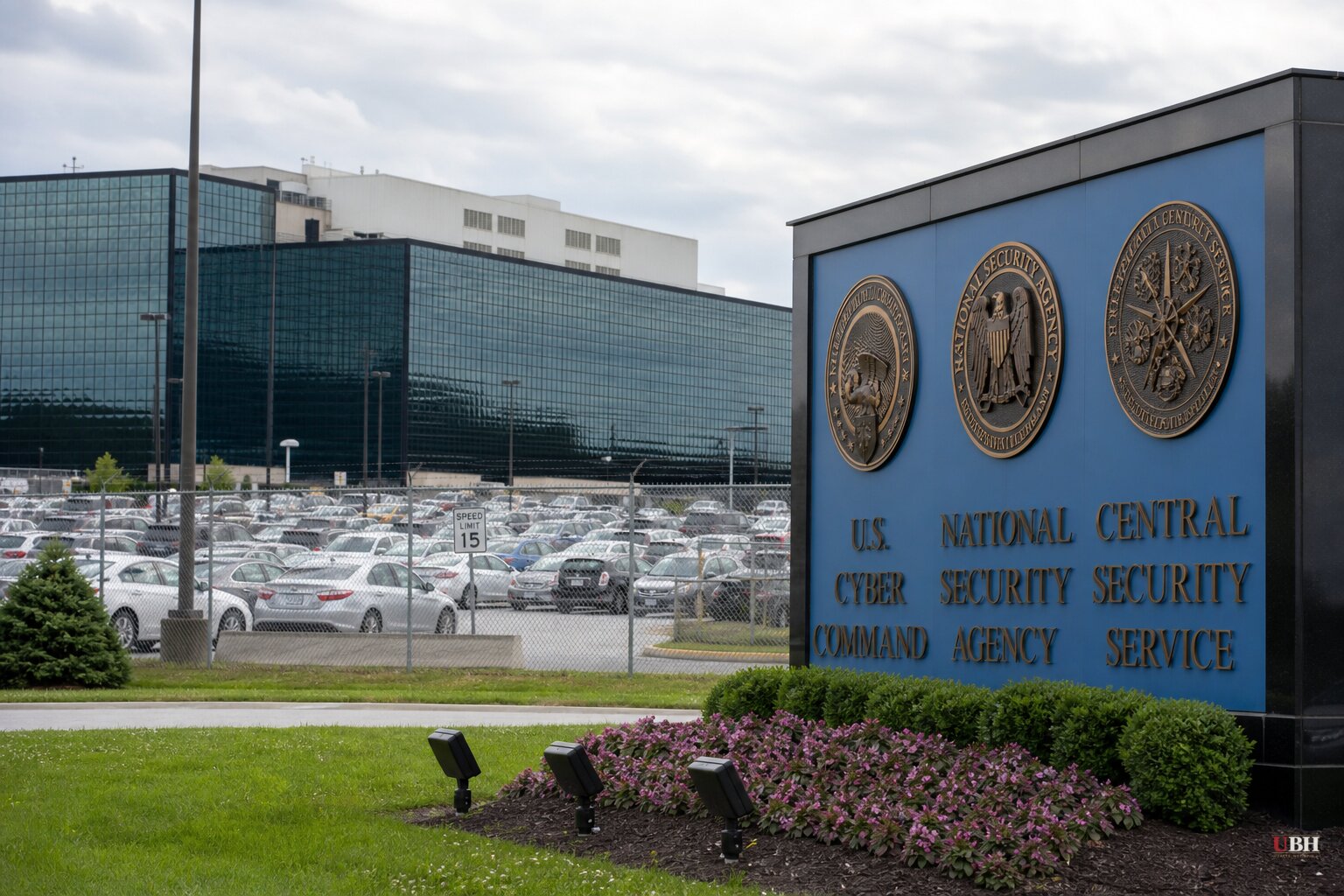
The National Security Agency opened its gates to its own alumni on August 28 for a recruitment event unlike anything in the history of Tailored Access Operations, the agency's secretive offensive hacking division, according to Tech Times. Potentially hundreds of former TAO operators walked back through Fort Meade for what amounted to a homecoming with a recruiting pitch attached.
Why TAO Is Hard to Replace
TAO isn't a normal government office. It's the unit credited with co-creating Stuxnet, the cyberweapon that reportedly sabotaged Iranian centrifuges, and it built tools that later fueled two of the most damaging cyberattacks in history after they leaked, according to Tech Times. Its capabilities, documented in materials released by Edward Snowden and later by the Shadow Brokers hacking group, include the QUANTUM man-on-the-side framework, which routes duplicated internet traffic through compromised infrastructure so NSA servers can inject exploits into a target's browser before the real destination responds. That requires backbone-level network access most intelligence services can't touch.
TAO's Advanced Network Technology division separately built hardware and software implants for routers, switches, and firewalls, letting operators plant intelligence-collection software that can sit dormant on foreign systems for months or years.
None of that expertise comes cheap or fast. Tech Times reports that certification pipelines for TAO operators take roughly a year to complete, meaning every hacker who walked out the door in 2025 left a hole that can't be patched with a new hire and a laptop.
The DOGE Connection
According to Tech Times, the NSA lost approximately 2,100 employees in 2025, about 8% of its total workforce, in cuts the outlet ties to DOGE-linked downsizing goals. Dozens of those departures came from TAO specifically. No NSA official is quoted by name confirming the DOGE linkage in the available reporting, and the agency has not released its own public accounting of why those specific TAO operators left or whether all of them were let go versus choosing to leave.
There is a fair case for the cuts. Government payrolls balloon, redundant positions pile up, and taxpayers foot the bill whether or not the work justifies the headcount. DOGE's entire premise was that federal agencies, intelligence community included, needed to prove their staffing levels were earning their keep. Federal bloat has gone unchallenged for decades because nobody wanted to be the one holding the knife.
But TAO isn't a motor pool or a records office. It's the sharp end of America's offensive cyber capability against adversaries like China, and Tech Times reports the agency now has a new standalone building on the Fort Meade campus and a deputy director personally invested in rebuilding the unit's ranks, restored name and all. If cutting government fat also cut the country's ability to burrow into a foreign adversary's network before that adversary burrows into ours, that's a significant strategic risk. It's fair to ask whether anyone modeled that risk before the cuts went through.
What's Still Unknown
Tech Times does not report how many of the potentially hundreds of alumni who attended the August 28 event actually agreed to return, or what incentives the NSA offered to bring them back. Given the year-long certification timeline the outlet describes, even a successful recruiting weekend won't restore TAO's bench strength quickly.
The open question now is whether Fort Meade's new building and a rebranded unit are enough to compete with the private-sector salaries that likely pulled these operators away in the first place, and whether the agency will disclose how many of its 2,100 lost positions get refilled, and at what cost, before the next round of budget scrutiny arrives.
Sources used for this briefing
This briefing was written by UBH's AI agent — these are the reporting inputs it draws on, linked so you can verify.


