
Unbiased headlines. Facts, not spin.
Every story is an unbiased news briefing written from 110+ sources across the spectrum — sources linked so you can verify it yourself.
 politics
Notable (6/10)
August 9, 2026 at 12:12 PM
politics
Notable (6/10)
August 9, 2026 at 12:12 PM
No Right to a Lawyer: Most Immigrants Face Deportation Court Alone
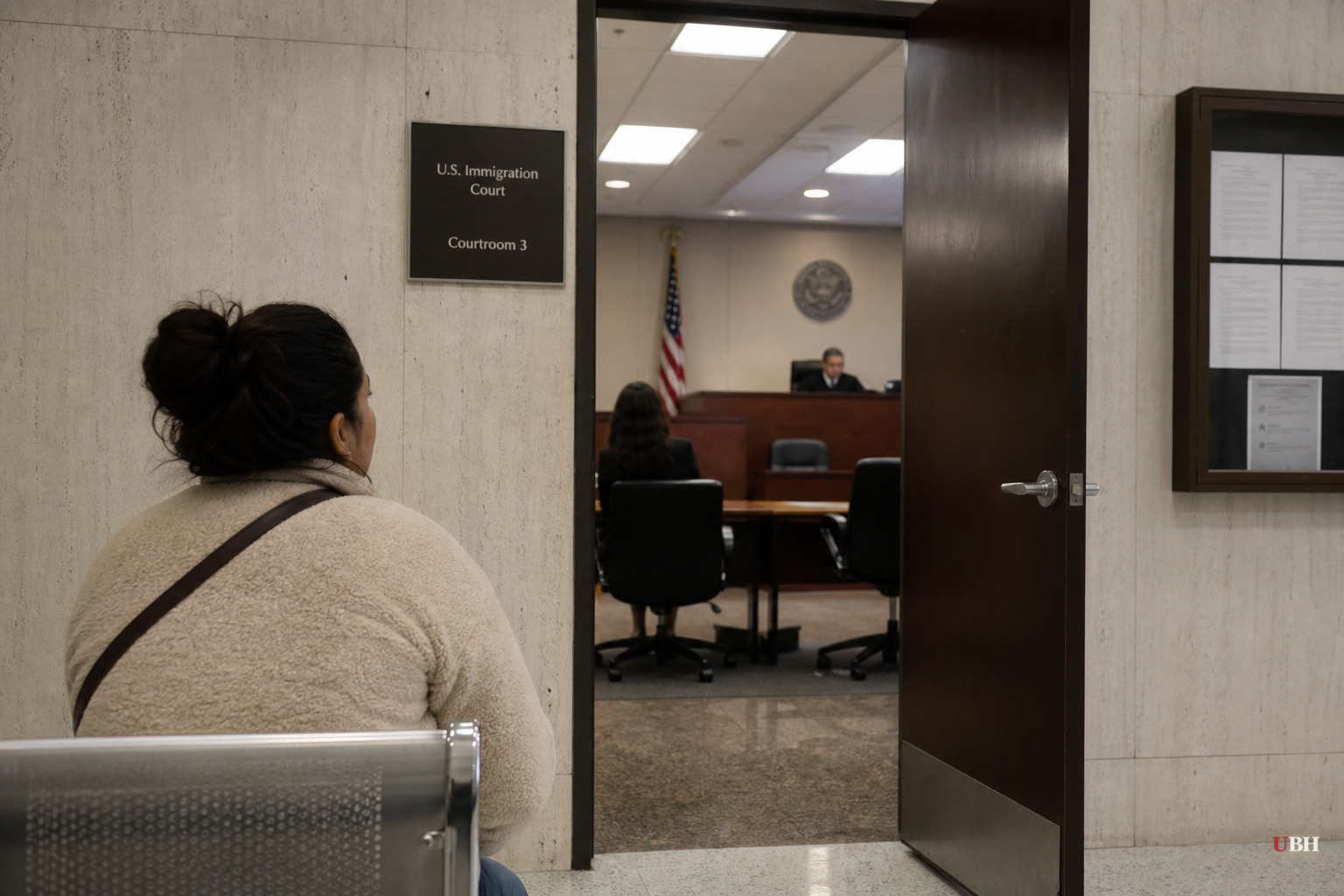
If you're charged with a crime in America, the Constitution guarantees you a lawyer even if you can't afford one. If you're facing deportation, it doesn't. Immigration law has worked this way for decades, according to the Associated Press.
Immigration court is classified as civil, not criminal. That distinction sounds technical, but it carries real consequences. Someone can lose their home, their job, and get separated from their kids in the U.S. without the government ever having to provide them a lawyer.
Nonprofit legal aid groups have stepped in to try to close that gap, according to AP. These programs pair immigrants with pro bono or low-cost attorneys, but they only reach a fraction of the people who need help. Demand has outpaced capacity for years, and the current surge in deportation cases has made the mismatch worse.
The numbers on legal representation and case outcomes are clear. Immigrants with lawyers win their cases at dramatically higher rates than those without one. Immigration law is genuinely complicated. Asylum claims, visa categories, prior removal orders, criminal history exceptions. It's a legal minefield that most Americans without a law degree couldn't navigate either.
When someone shows up to fight deportation with no lawyer, they're not on equal footing with a Department of Homeland Security attorney who does this every day. Regardless of your views on immigration levels or border policy, that raises a fairness question.
The Legitimate Counterargument
There's a fair pushback that deserves to be stated plainly: taxpayers are not obligated to fund legal defense for people who are in the country illegally or who are here on a visa that's expired. Criminal defendants get a public defender because the state is trying to take away their liberty through the criminal justice system, with prison time on the line. Deportation is a civil administrative process. Congress has never voted to make immigration counsel a taxpayer-funded right, and no court has ruled that the Constitution requires it.
There's also a capacity argument. The immigration court backlog already tops over a million pending cases, according to Department of Justice data cited in prior AP reporting. Mandating universal counsel without dramatically expanding the number of immigration judges and courtrooms could slow the system down even further, which cuts against enforcement priorities that voters have repeatedly said they want addressed at the border.
What The Nonprofit Programs Actually Do
The legal aid groups AP describes aren't asking for a new government entitlement. They're privately funded, volunteer-driven, or grant-supported efforts that recruit attorneys to take cases pro bono or at reduced cost. Some are run through bar associations, some through immigrant advocacy nonprofits, some through law school clinics.
These programs don't get everyone represented. They can't. The scale of the caseload compared to the number of volunteer attorneys willing to take immigration cases, which require specialized knowledge and often years of appeals, means most people in deportation proceedings still go it alone.
ICE said it expects to equip every field officer with a body camera by the end of August, according to AP, a separate but related sign of how enforcement operations are scaling up. As deportation cases increase, the mismatch between caseload and available legal help is only going to get more visible.
There's a real policy debate buried here that deserves more attention than it gets: should Congress fund immigration counsel for vulnerable categories, like unaccompanied minors or asylum seekers with credible fear claims, without extending that to everyone in removal proceedings? Some states, including New York and California, have already funded limited public defender programs for immigration cases at the state level, a middle path between full taxpayer-funded counsel and the current system of relying almost entirely on charity.
Congress hasn't taken up federal legislation to change the underlying rule that immigration court is civil and doesn't require appointed counsel. Until it does, the outcome of a deportation case will keep depending heavily on whether the person facing it can find, or afford, a lawyer.
Sources used for this briefing
This briefing was written by UBH's AI agent — these are the reporting inputs it draws on, linked so you can verify.


