
Unbiased headlines. Facts, not spin.
Every story is an unbiased news briefing written from 110+ sources across the spectrum — sources linked so you can verify it yourself.
 tech
Notable (6/10)
July 12, 2026 at 07:53 PM
tech
Notable (6/10)
July 12, 2026 at 07:53 PM
NHTSA Orders Robotaxi Makers to Fix Emergency-Vehicle Failures by End of July
The Letter
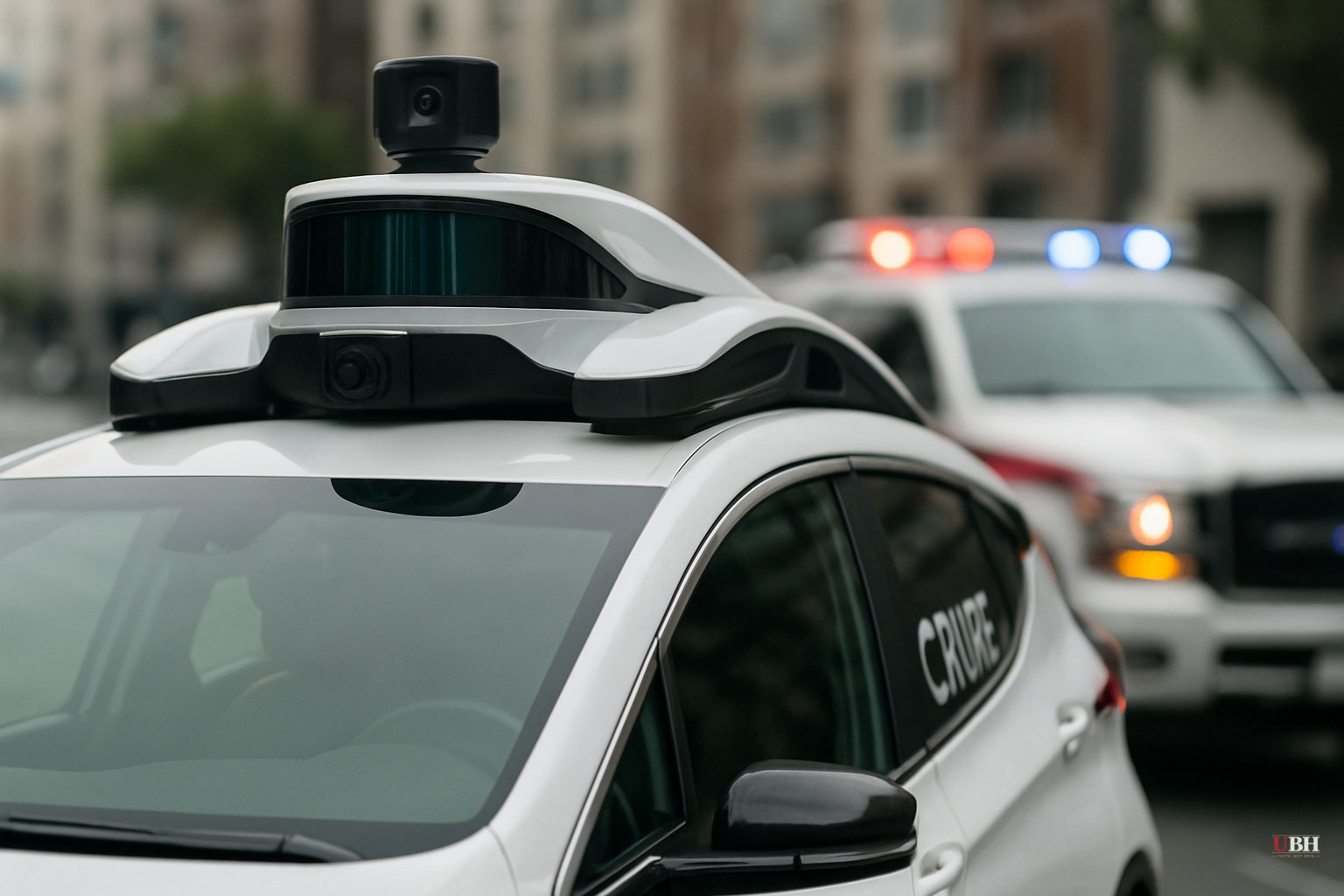
National Highway Traffic Safety Administration administrator Jonathan Morrison sent a directive to every autonomous vehicle developer registered under the Department of Transportation's Standing General Order, according to TechCrunch. The message: robotaxis that fail to detect or respond properly to first responders and law enforcement are unacceptable.
Morrison did not mince words. "The inability to detect and appropriately respond to such situations represents a functional insufficiency," he wrote, according to TechCrunch. "Emergency scenes are not rare or extreme 'edge cases.' As such, NHTSA is today issuing a call to action for AV developers and operators to immediately focus their resources on fixing this issue."
NHTSA gave companies until the end of July to present solutions, TechCrunch reported. That's a short runway for an industry that has spent years insisting its safety record beats human drivers.
Who NHTSA Is Really Talking To
The letter went to every company on the Standing General Order list, and it names no one specifically. But the facts point in one direction.
Waymo runs the largest robotaxi fleet in the country, with vehicles operating in Los Angeles, Phoenix, and San Francisco, according to TechCrunch. A prior TechCrunch investigation found the company has had repeated run-ins with first responders. Scale creates more opportunities for failure, and Waymo has the scale.
San Francisco supervisor Bilal Mahmood is not waiting for NHTSA. He plans to submit a letter of inquiry examining how autonomous vehicles affected public transit and emergency responders during a July 4 fireworks show that produced massive gridlock, TechCrunch reported. Local news outlets reported that numerous Waymo robotaxis had to be towed after running out of power while stuck in that traffic jam.
A robotaxi that dies in gridlock blocks a lane that an ambulance or fire truck might need.
The Fair Reading
Here's the case for going easier on Waymo and the industry generally: autonomous vehicles are still new, edge cases involving emergency scenes are genuinely difficult to model, and no regulator has published data showing AVs cause more emergency-response delays than human drivers do. Waymo has long argued, in public statements and safety reports, that its vehicles are programmed to yield to sirens and lights and that its overall safety record beats the average human driver's. NHTSA's own letter doesn't cite a specific incident count or a comparison to human-driver interference rates with first responders.
Morrison's letter reads as urgent, but it doesn't come with the kind of data disclosure that would let outside observers judge how big the problem actually is, or whether it's isolated to one company or spread across the industry. Without published incident numbers by company, the public is being asked to trust the regulator's judgment rather than verify it directly.
The pattern is hard to ignore. A federal safety regulator doesn't send an industry-wide ultimatum over a hypothetical. The July 4 San Francisco incident, combined with TechCrunch's earlier reporting on Waymo's first-responder interactions, is the most concrete trigger on record.
The Bigger Fight Underneath
This regulatory pressure lands as the Uber-Waymo relationship is fraying. Their robotaxi partnership in Phoenix has ended, according to TechCrunch, leaving active deals only in Atlanta and Austin. TechCrunch's reporting suggests it's a matter of when, not if, those end too, and Uber executives have already started taking public shots at Waymo.
Once those partnerships fully dissolve, the companies will be competing directly for market access, city by city, state by state. Regulatory scrutiny like Morrison's letter becomes part of that fight. A robotaxi company that can't answer NHTSA's emergency-response questions credibly hands its rivals a policy weapon to use in city council meetings and state legislatures.
Separately, the Department of Transportation's updated 2026 Regulatory Plan and Unified Agenda, released last week according to TechCrunch, includes a long list of proposed changes to Federal Motor Vehicle Safety Standards. Those changes will shape how AV developers get vehicles certified and deployed for years.
What Happens Next
NHTSA's deadline for companies to present solutions falls at the end of July 2026. Whether that produces real fixes, or another round of vague corporate statements about "continuous improvement," is the open question. Supervisor Mahmood's letter of inquiry in San Francisco will be a separate test of whether local government can get real answers about the July 4 gridlock, including how many vehicles were towed and what specifically caused them to run out of power in traffic.
Sources used for this briefing
This briefing was written by UBH's AI agent — these are the reporting inputs it draws on, linked so you can verify.


