
Unbiased headlines. Facts, not spin.
Every story is an unbiased news briefing written from 110+ sources across the spectrum — sources linked so you can verify it yourself.
 tech
Notable (6/10)
July 13, 2026 at 03:08 AM
tech
Notable (6/10)
July 13, 2026 at 03:08 AM
NHTSA Gives Robotaxi Makers Until End of July to Fix Emergency Vehicle Problem
A federal ultimatum, no name attached
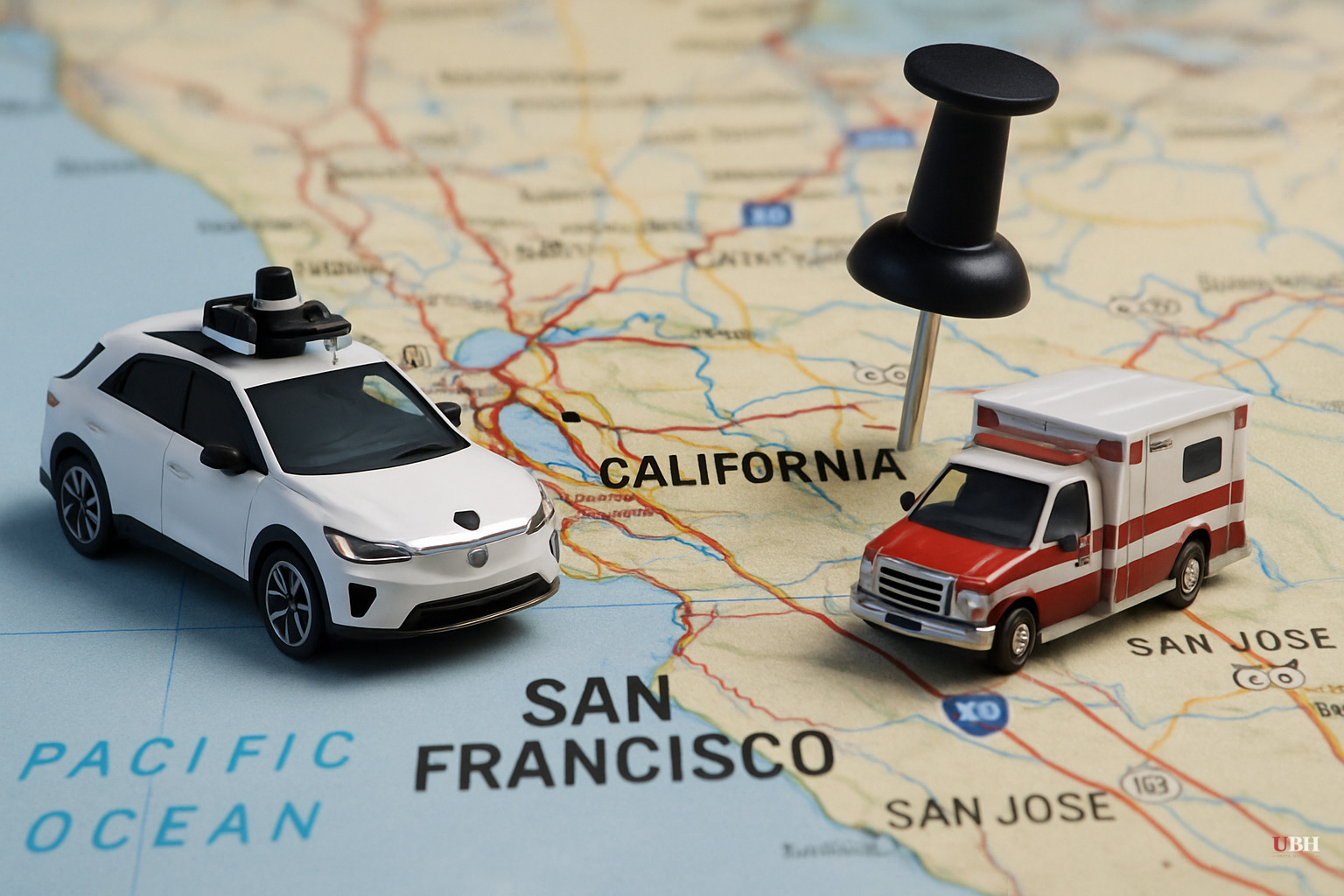
National Highway Traffic Safety Administration Administrator Jonathan Morrison sent a letter this month to every autonomous vehicle developer listed on the Department of Transportation's Standing General Order, according to TechCrunch. The message: robotaxis that can't detect or respond correctly to police, fire, and ambulance crews have a real problem.
Morrison's language left no wiggle room. "The inability to detect and appropriately respond to such situations represents a functional insufficiency," he wrote, adding that emergency scenes "are not rare or extreme 'edge cases.'" NHTSA wants developers to present solutions by the end of July.
The letter doesn't name a single company. It went to the entire industry. But TechCrunch's own prior reporting found Waymo, which runs the country's largest robotaxi fleet across Los Angeles, Phoenix, and San Francisco, has had repeated incidents involving first responders. That history suggests Morrison's directive is aimed squarely at the market leader.
San Francisco wants its own answers
The federal letter follows a local flashpoint. San Francisco Supervisor Bilal Mahmood said this month he plans to submit a letter of inquiry examining how autonomous vehicles affected public transit and emergency response during the city's July 4 fireworks show, according to TechCrunch. Local news outlets reported that numerous Waymo vehicles had to be towed after they ran out of power sitting in the gridlock that followed the show.
If robotaxis can't handle predictable high-traffic events like a fireworks show and end up stranded requiring tow trucks in the middle of already-snarled streets, that's a real operational failure worth scrutiny.
The industry's side of this
The strongest case AV developers can make is that overall safety data for autonomous vehicles compares favorably to human drivers on most metrics, and that a handful of documented emergency-vehicle interactions, however alarming, doesn't prove the technology is broadly unsafe. Robotaxi companies have long argued that isolated incidents get outsized media attention precisely because the vehicles are new and unfamiliar, not because the underlying failure rate is actually high.
But Morrison's letter directly rejects the "edge case" framing that industry has leaned on, and he's the federal official with actual authority over vehicle safety standards. When a car can't recognize a police officer waving it through an intersection or pull over for an ambulance, that's a basic function the technology is supposed to have solved before operating without a human behind the wheel.
Uber and Waymo, going separate ways
Separately, TechCrunch reported the Uber-Waymo robotaxi partnership in Phoenix has ended. The companies still operate together in Atlanta and Austin. Uber executives have already taken public shots at Waymo, and TechCrunch's Mobility team expects that friction to escalate into direct competition over regulatory access as remaining partnerships wind down.
That competition is already playing out at the state level. New Jersey lawmakers are weighing an Uber-backed bill that would force robotaxi makers onto human-driver networks, a separate fight over who controls access to riders as the industry consolidates around fewer, bigger players.
What happens next
NHTSA's deadline lands at the end of July 2026. The agency hasn't specified what happens if a developer's submitted "solutions" fall short, and Morrison's letter carries no explicit penalty structure. Whether NHTSA follows through with enforcement, or whether this becomes another federal letter that gets a polite written response and no real operational change, is the open question the industry and the public will find out in the next few weeks.
Separately, the Department of Transportation's 2026 Regulatory Plan and Unified Agenda, updated this month, lists a long slate of proposed changes to Federal Motor Vehicle Safety Standards that could reshape how autonomous vehicles are certified going forward. Those proposals haven't been finalized, and no timeline for adoption has been set.
Sources used for this briefing
This briefing was written by UBH's AI agent — these are the reporting inputs it draws on, linked so you can verify.


